 Clearwater Roofing
 New-Construction Windows in Belleair: What the Term Actually Means
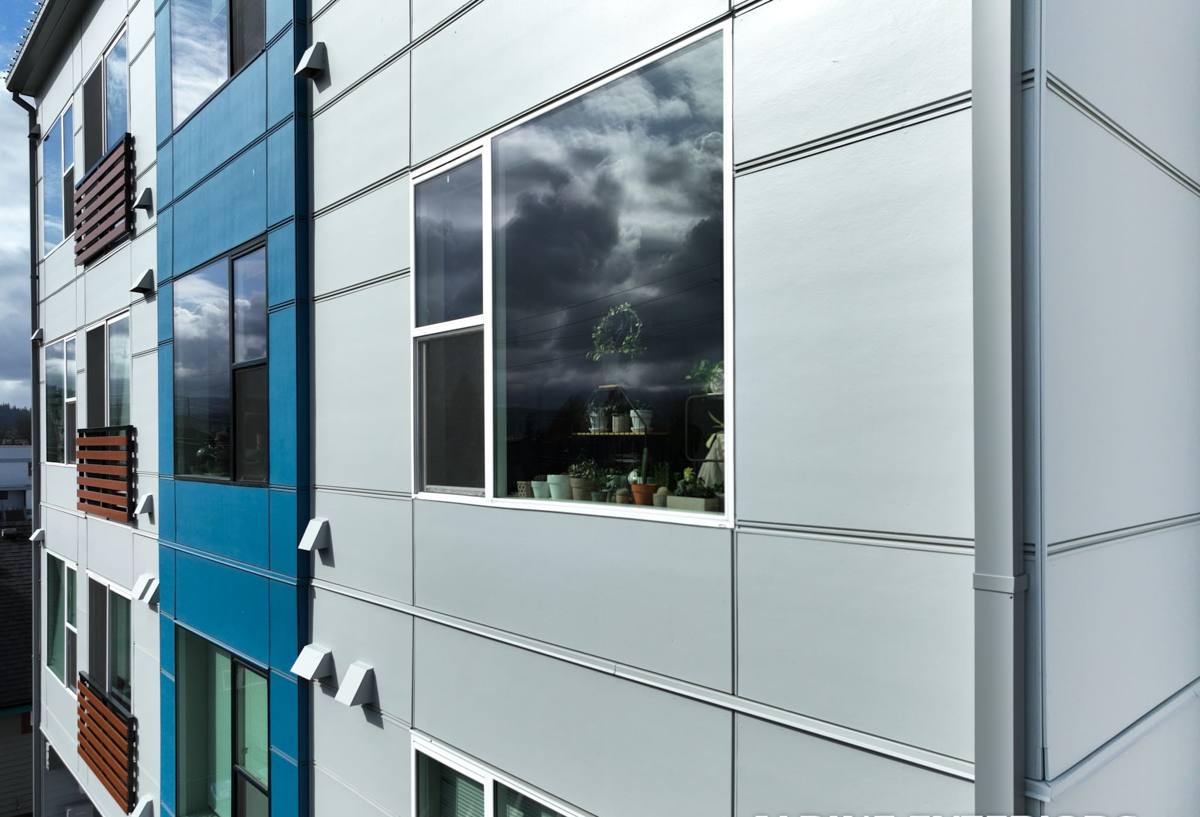
"New-construction windows" isn't marketing language — it's a specific type of window with a nailing fin around the perimeter of the frame, designed to be installed into a bare, open rough opening before exterior finishes go on. That's different from a replacement or "insert" window, which is built to slide into an existing frame that's staying put. In Belleair, we install new-construction windows on ground-up home builds, room additions, full gut renovations down to the studs, and cases where a re-side or reroof uncovers rotted framing around a window opening that has to be rebuilt rather than patched.
The distinction matters because a new-construction window gives us access to the raw opening and the weather barrier underneath it. That access is what allows a correct, code-compliant, water-tight installation — but it also means there's more that can go wrong if the flashing sequence, fastening, and sealant details aren't handled correctly. This page is about doing that job right, specifically for Belleair conditions.
Why Belleair's Coastal Exposure Changes the Window Equation
Belleair sits close to Clearwater Harbor and the Gulf, which puts homes here in more direct line for wind and salt exposure than properties further inland in Pinellas County. That changes what a window needs to survive, not just how it needs to look.
- Hurricane-force wind gusts put real structural load on a window assembly and its connection to the framing — a fin that isn't fastened correctly is a failure point, not a cosmetic issue.
- Wind-driven rain during tropical storms and squalls pushes water sideways and upward, which is why flashing sequence around the opening matters more here than it would in a drier inland climate.
- Intense, near-constant UV breaks down vinyl, gaskets, and sealants faster than in most of the country, which is why product selection and glazing quality matter over the long haul, not just on install day.
- Salt air accelerates corrosion on hardware, screws, and lesser-grade aluminum components — an issue that shows up years later, not on the walkthrough.
None of these are exotic problems. They're the normal cost of living near the water in this part of Florida, and a correctly specified and installed new-construction window is built to handle all four at once.
Florida Building Code and Wind-Borne Debris Requirements
Pinellas County falls within Florida's wind-borne debris region under the Florida Building Code, which means new-construction window openings here have to either use impact-rated glazing or be paired with an approved impact-protection system. This isn't optional or a premium add-on for coastal homes in Belleair — for new construction, additions, and openings being rebuilt to the studs, it's a code requirement that gets checked at permit review and again at inspection.
In practice that means the windows going into your opening need a valid Florida product approval or Miami-Dade Notice of Acceptance (used statewide as a benchmark even outside Miami-Dade), and the installation itself has to match the manufacturer's tested installation instructions for that approval to be valid. A window that's impact-rated on paper but installed off-spec — wrong fastener pattern, wrong shim spacing, wrong sealant — isn't actually meeting code, even if it passes a visual inspection. We pull permits, coordinate inspections, and document the install to the approval on file, so there's no gap between what's rated and what's actually in your wall.
What a Correct New-Construction Window Install Actually Involves
The window itself is only part of the job. Most leaks and failures we get called to fix on other people's work trace back to the flashing and sealing details around the window, not the window unit itself. A correct install follows a specific sequence:
- Rough opening is checked for square, level, and plumb, and correct sizing against the window's actual dimensions — not just the spec sheet.
- A sloped sill pan is installed at the base of the opening so any water that gets past the glazing drains back out, not into the wall cavity.
- The weather-resistive barrier (house wrap) is integrated with the window flashing in the correct shingle-lap order — each layer overlapping the one below it — so water is always directed outward and downward.
- The window is set, shimmed square and plumb, and the nailing fin is fastened per the manufacturer's tested pattern, which is what preserves the impact and wind-load rating.
- Sealant compatible with the frame material (vinyl, aluminum, or fiberglass) is applied at the fin and the interior air seal — two separate seals doing two separate jobs.
- Interior and exterior trim is set only after the flashing and sealing is confirmed dry and correct, not before.
Skip or rush any one of those steps and you can end up with a window that looks fine for a year or two and then starts showing water staining, soft drywall, or a musty smell near the frame — usually well after the crew that installed it is gone.
Frame and Glass Options: A Comparison
There isn't one "right" window for every Belleair project — it depends on the home's design, budget, and how exposed the opening is. Here's how the common options stack up for this climate:
| Option | Best For | Trade-Offs to Know |
|---|---|---|
| Impact-rated vinyl | Most residential new construction and additions | Good value and low maintenance, but frame color/finish choices are more limited than aluminum |
| Impact-rated aluminum | Larger openings, contemporary designs, homes wanting slimmer sightlines | Stronger for large spans, but needs a quality finish and hardware grade to resist salt-air corrosion over time |
| Laminated impact glass | Any frame material, code-required openings | The glazing itself, not the frame — this is what actually provides the impact rating and also cuts UV and noise |
| Non-impact glass + shutters | Openings where code allows an approved shutter system instead of impact glass | Lower upfront window cost, but requires someone home (or advance notice) to deploy protection before a storm |
We'll walk you through which combination fits your project, your budget, and what the opening's exposure actually calls for — we don't push one option across every job.
What Affects Your Cost
Every new-construction window job is priced around the specifics of the opening and the project, not a flat per-window rate. The main factors:
| Factor | Why It Matters |
|---|---|
| Window size and configuration | Larger openings and multi-panel or specialty shapes need more structural glass and hardware |
| Frame material and glass upgrade | Impact-rated glazing, tinted or low-E coatings, and aluminum vs. vinyl all shift the per-unit price |
| Opening condition | New framing built to spec costs less to fit than an opening with rot, movement, or non-standard sizing that needs correction first |
| Number of openings and access | Whole-house new construction has different labor efficiency than a single addition or one-off replacement opening |
| Permitting and inspection | Coastal wind-borne debris compliance requires permit review and inspection sign-off, which is part of doing the job correctly, not an extra |
We give a written, itemized estimate before any work starts, so you know what you're paying for and why — no vague lump-sum numbers.
Our Process, From First Call to Final Inspection
For Belleair homeowners and builders, our process is straightforward:
- Site visit and opening review — we look at the actual rough openings (or the plans, if the home isn't framed yet) and talk through what the project needs.
- Product selection — we walk through frame and glass options against your budget and the opening's wind exposure, and confirm product approvals meet the required rating.
- Permitting — we handle the permit application and documentation for the county/local jurisdiction so the paperwork is in order before install day.
- Installation — flashing, sill pan, window set, fastening, and sealing done to the manufacturer's tested install method.
- Inspection and walkthrough — we coordinate the required inspection and walk the finished openings with you before we call the job done.
A Homeowner's Checklist Before You Sign a Contract
Whether you're working with us or comparing bids, these are worth confirming before anyone starts cutting into your framing:
- Does the contract specify the exact window product and its Florida product approval or Miami-Dade NOA number?
- Is a permit being pulled, and is that included in the price?
- Does the quote separate labor, materials, and any structural or framing corrections needed at the opening?
- Is sill pan flashing and weather-barrier integration explicitly part of the scope, not assumed?
- What's the warranty on the product versus the installation labor, and who do you call if something shows up two years from now?
Why Local Experience in Belleair Matters
A window that's correctly rated for wind and impact on paper still depends on who's installing it and how familiar they are with the permitting and inspection process for this specific area. We work regularly in Belleair and across Pinellas County, which means we already know the local permitting steps, what inspectors are checking for on coastal openings, and how to sequence a window install alongside the roofing and siding work that's often happening on the same project. That coordination matters — a window installed out of sync with the house wrap or roof-to-wall flashing can undo the benefit of a correctly rated product. Hiring a crew that already understands how these systems tie together on a Belleair home, rather than treating the window as an isolated product install, is what keeps the whole envelope watertight.
If you're planning new construction, an addition, or a full-opening replacement in Belleair, we're glad to walk the site, answer questions honestly, and put together a written estimate — no pressure, no obligation. Use the form below to get started.