 Clearwater Roofing
 Oldsmar Sits in One of the Toughest Climates for Exterior Siding
Oldsmar's location on Old Tampa Bay puts it in a spot where several harsh conditions overlap instead of taking turns. Homes here deal with salt-laden air moving in off the water, near-constant UV exposure most of the year, and the wind-driven rain and hurricane-force gusts that come with every storm season. None of those things alone would destroy a siding system quickly, but stacked together year after year, they expose weak points in materials and installation that homeowners further inland might not see for decades.
That's the backdrop for every siding decision made on a home in this area. A product or installation method that works fine in a dry, mild climate can fail here in a fraction of the time. It's also why we only install James Hardie fiber cement siding — we've made a professional decision that other materials don't hold up to this specific combination of conditions the way Hardie's engineered product lines do.
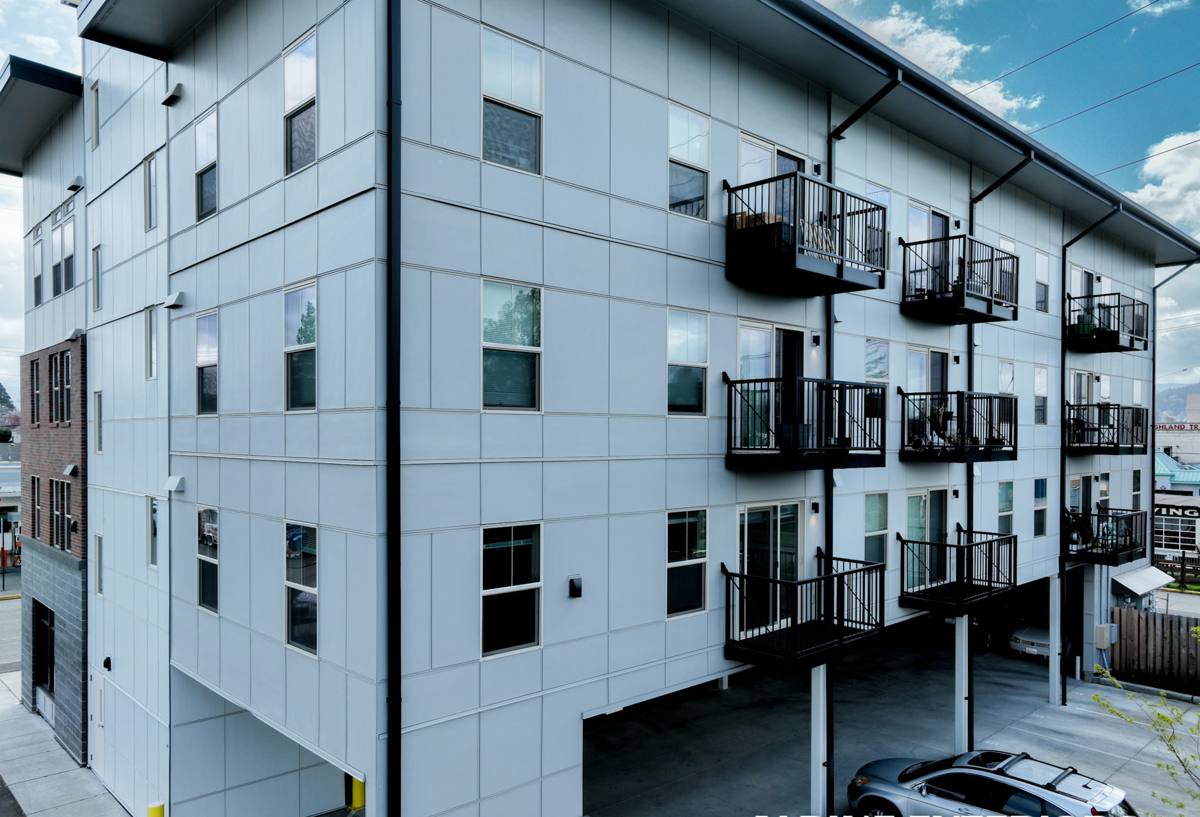
How This Climate Actually Damages Siding
It helps to understand the mechanics of what's happening to a house's exterior over time, rather than just hearing "the weather is rough here."
Salt Air and Moisture
Airborne salt is corrosive and hygroscopic — it draws moisture into surfaces it settles on. On wood-based or wood-composite sidings, that means elevated moisture content at the surface for more of the year, which accelerates swelling, softening, and eventually rot, especially at butt joints, corners, and anywhere caulking has started to fail.
UV Exposure
Central Florida's sun angle and day length mean paint films on siding take a beating almost year-round, not just in a short summer window. Factory-applied finishes that aren't formulated for sustained UV exposure chalk, fade, and lose adhesion faster here than in most of the country.
Wind and Wind-Driven Rain
During tropical storms and hurricanes, rain doesn't just fall — it's driven sideways into every seam, lap, and penetration in the siding system. Any gap in flashing, any under-fastened panel, or any siding profile installed past its wind-load rating becomes a water entry point or a piece of storm debris.
Why James Hardie's Engineering Matters Here
James Hardie makes climate-specific product formulations, and the HZ10 line used across Florida and the Gulf Coast is engineered specifically for high-humidity, high-moisture environments like ours. It's a fiber cement product — not wood, not a wood-plastic composite — so it doesn't absorb and release moisture the way organic materials do, and it's non-combustible, which matters given how many structures in this area sit close together.
The factory-applied ColorPlus finish is baked on under controlled conditions and backed by its own finish warranty, which is a meaningfully different proposition than a field-applied paint job that starts degrading under UV exposure the day it's sprayed. For a home exposed to Oldsmar's sun load most of the year, that finish durability is not a cosmetic nicety — it's the difference between repainting in five years and not needing to for well over a decade.
Product Lines We Install and Where Each One Fits
Not every Hardie profile is right for every house. Part of doing this correctly is matching the product to the home's style and exposure.
| Product | Typical Use | Why It Fits Oldsmar Homes |
|---|---|---|
| HardiePlank lap siding | Traditional ranch and colonial-style homes | Classic profile, wide range of exposures, handles wind-driven rain well when lapped and fastened to spec |
| HardiePanel vertical siding | Board-and-batten and modern facades | Clean architectural look for newer builds and accent walls near the water |
| HardieShingle | Accent gables, dormers, coastal-style homes | Adds texture and curb appeal without the moisture risk of wood shakes |
| HardieTrim boards | Corners, fascia, window and door trim | Matches the fiber cement system so trim doesn't rot out before the field siding does |
We walk every homeowner through which combination makes sense for their home's exposure — a waterfront-facing wall dealing with direct salt spray and wind is treated differently than a more sheltered inland-facing elevation, even on the same house.
What Correct Installation Actually Requires
Fiber cement siding is only as good as the installation behind it. In a wind and moisture environment like this one, a few details matter more than they would elsewhere:
- Proper fastening pattern: nail spacing and placement matched to the local wind zone, not just "close enough"
- Correct clearances: minimum gaps from grade, roofline, and decking so water can't wick up into the bottom edge of the panel
- Flashing at every penetration: windows, doors, hose bibs, light fixtures, and any other cut into the siding field
- A functioning water-resistive barrier: house wrap installed and lapped correctly behind the siding, not just present
- Manufacturer-spec caulking and sealant: at joints and terminations, using products rated for the exposure
- Field-cut edges sealed: exposed cut ends painted or sealed per Hardie's instructions before they go up
Skipping any one of these doesn't usually show up as a problem on day one — it shows up two, five, or ten years later as a soft spot, a stain, or a warranty claim that gets denied because the installation didn't meet manufacturer specification. That last point matters more than most homeowners realize: Hardie's product warranty assumes installation to their written instructions, and a contractor who cuts corners on install details can quietly void the coverage a homeowner thinks they have.
Our Process, From First Look to Final Walkthrough
- Exterior inspection: we assess the current siding, look for signs of moisture intrusion, and check sheathing condition where it's exposed during tear-off
- Scope and product selection: we walk the homeowner through profile, color, and trim options suited to the home's exposure
- Tear-off: removal of the existing siding down to the sheathing, disposing of debris as we go
- Sheathing and moisture barrier repair: any rotted sheathing gets replaced, and house wrap and flashing are installed or corrected before anything new goes up
- Installation to Hardie specification: fastening, clearances, and flashing done to manufacturer standards so the warranty stays intact
- Trim, caulking, and touch-up: finish details completed and field-cut edges sealed
- Final walkthrough: we go over the completed job with the homeowner before calling it done
- Warranty registration: product warranty paperwork filed so it's on record with James Hardie
What Drives Cost on a Job Like This
Every home is different, so a real number only comes from an on-site look. That said, a few factors consistently move the price up or down:
| Cost Factor | Why It Matters |
|---|---|
| Home size and number of stories | More surface area and access equipment for taller walls |
| Condition of existing sheathing | Rot found during tear-off means repair before new siding goes on |
| Product line and profile | Lap, panel, and shingle profiles carry different material and labor costs |
| Trim and architectural detail | More windows, corners, and gables mean more cutting and fitting time |
| Color choice | Factory ColorPlus finishes versus field-applied paint affect both cost and long-term maintenance |
We give straightforward, itemized estimates so homeowners can see where the money is going rather than a single lump number.
Why Hiring a Crew That Already Works This Area Matters
A crew that regularly works Oldsmar and the wider Clearwater and Pinellas County area already understands the wind-load requirements local permitting expects, knows what moisture damage typically looks like on homes exposed to this bay, and isn't learning the region's climate demands on the homeowner's dime. That familiarity shows up in small decisions throughout a project — how flashing gets detailed around a window facing the water side of a house, or which fastening pattern makes sense for a particular elevation — that a crew unfamiliar with coastal Gulf Coast conditions might not think twice about.
It also means faster, more realistic scheduling around storm season, and a contractor who will actually be reachable afterward if a warranty question comes up rather than someone who did one job in the area and moved on.
Maintenance and What the Warranty Actually Covers
One of the practical advantages of fiber cement is how little ongoing maintenance it needs compared to wood-based alternatives. There's no annual repainting cycle to plan for with a ColorPlus finish, and the material itself doesn't rot, warp, or attract termites. What homeowners should still do is a periodic visual check — especially after a significant storm — for cracked caulk joints, any impact damage, or areas where trim meets the field siding, since catching a small sealant failure early is far cheaper than dealing with water intrusion later.
James Hardie's warranty coverage is transferable to a subsequent owner within its terms, which is worth knowing if a home sale is ever on the horizon — it's one more reason correct, to-spec installation matters, since a warranty is only as good as the installation it's backed by.
Questions Worth Asking Before You Sign a Contract
- Is the estimate itemized, or just a single number with no breakdown?
- Will the crew replace damaged sheathing as part of the job, or just siding over it?
- What fastening and clearance specs will they follow, and will they put it in writing?
- Who registers the manufacturer warranty, and when?
- Are they licensed and insured to work in Pinellas County?
- Can they explain why they'd choose one Hardie profile over another for your specific home?
If you're weighing a siding project on an Oldsmar home, we're happy to take a look and walk through what your house actually needs — no pressure, no obligation. A free estimate is the easiest way to get a real answer instead of a guess.