 Clearwater Roofing
 Roof Repair Built for Del Oro's Climate
Homes in Del Oro sit inside one of the toughest environments in the country for a roof. Clearwater and the rest of Pinellas County take a year-round beating from intense UV exposure, salt-laden air rolling in off the Gulf, sudden wind-driven rain, and the very real threat of hurricane-force winds during storm season. None of that is unique to Del Oro, but it means a roof repair here has to be done with those conditions in mind, not treated like a generic patch job you'd do anywhere else in the country.
A roof repair that looks fine from the ground can still fail within a season if it wasn't installed to hold up against wind uplift or if the materials weren't matched to the coastal air. We approach every repair call in Del Oro the same way: find the actual source of the problem, fix it correctly the first time, and make sure the repair is built to survive the next storm, not just patched until the next leak shows up.
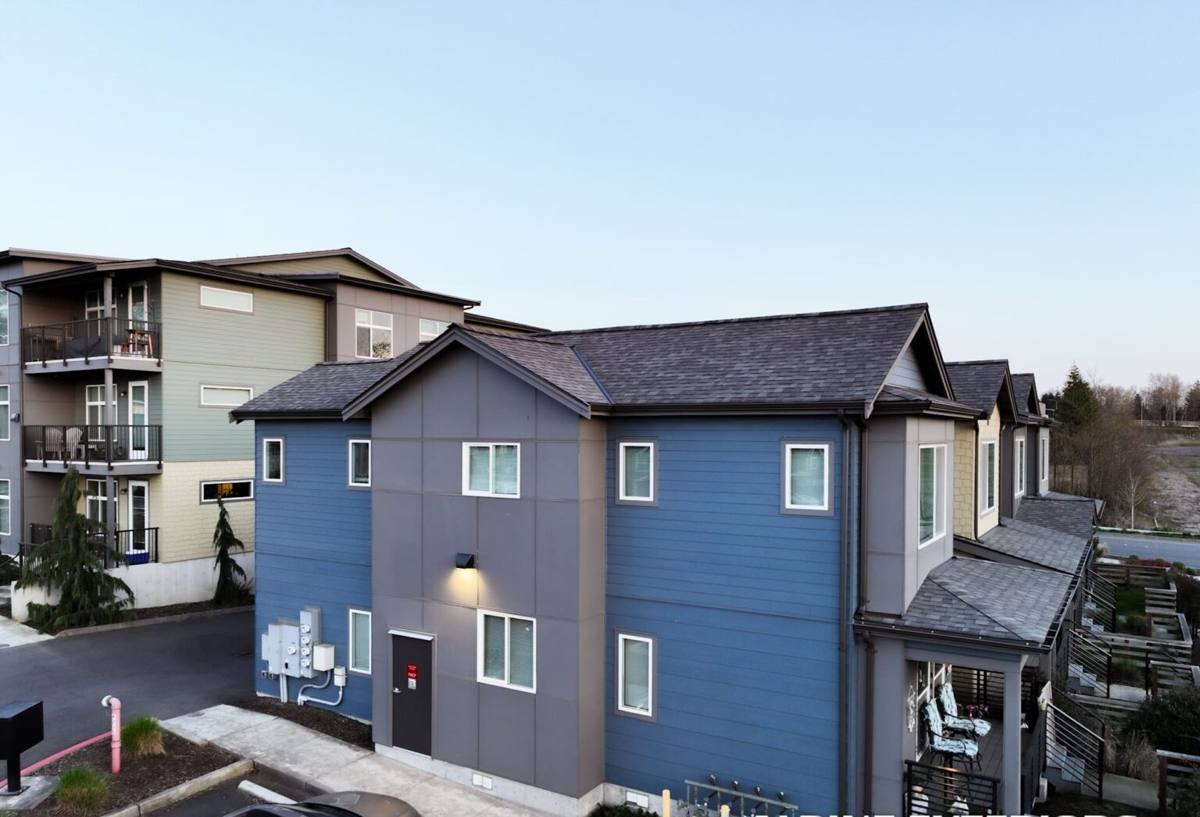
What Clearwater's Climate Does to a Roof
Understanding why roofs fail here is the first step to repairing them properly. Del Oro roofs are exposed to several stresses at once, and they compound each other over time.
UV Exposure
Florida sun is relentless. Constant UV breaks down asphalt shingles, dries out sealants, and causes underlayment to become brittle faster than it would in a milder climate. A roof that's rated for 25 years elsewhere may show real wear well before that mark in Clearwater if it wasn't installed with the right ventilation and materials.
Wind-Driven Rain
Florida storms rarely fall straight down. Wind pushes rain sideways and up under shingles, flashing, and vents, finding any gap that a calm-weather rain never would. Most of the leaks we trace back start at a spot the roof surface itself was fine, but a flashing seam or vent boot let wind-driven water in.
Hurricane-Force Winds
Every hurricane season, wind uplift is the number one cause of shingle loss, lifted flashing, and damaged ridge caps. Even roofs that don't take direct storm damage get incrementally weakened by repeated high-wind events, which is why a roof that "survived" several storms may still need repair to fix loosened fasteners and compromised seals before the next one.
Salt Air
Being close to the coast means metal components, fasteners on the roof, and flashing are exposed to salt in the air even when there's no visible corrosion. Standard fasteners and unprotected metal flashing corrode faster here, which is a common hidden cause of leaks that show up years after installation.
Common Roof Repair Issues We See in Del Oro
Most repair calls in this area fall into a handful of categories. Recognizing the pattern helps homeowners understand what they're dealing with before a crew ever gets on the roof.
- Lifted or missing shingles after wind events, especially along ridges, hips, and roof edges where uplift pressure is highest
- Cracked or worn pipe boots and vent seals — usually the rubber or plastic collar around a vent pipe, a frequent source of slow leaks
- Flashing failures around chimneys, skylights, and roof-to-wall intersections, often from corrosion or original installation that wasn't sealed correctly
- Granule loss and sun-damaged shingles from prolonged UV exposure, which shows up as thinning, curling, or bald patches
- Soft spots or sagging decking from long-term moisture intrusion that wasn't caught early
- Clogged or damaged gutters and drip edges that push water back under the roof edge instead of away from the house
What a Correct Roof Repair Actually Involves
A roof repair isn't just sealing whatever's visibly cracked or slapping a patch over a stain on the ceiling below. Done right, it starts with finding the real cause, because water travels before it shows up as a stain, and the leak point is often several feet from where the damage appears indoors.
Our repair checklist
- Inspect the full roof surface, not just the area near the reported leak, since wind and water damage rarely stay isolated
- Check flashing, vent boots, and any roof penetrations for cracked seals or corrosion
- Examine the decking underneath damaged shingles for soft spots or rot before covering it back up
- Match replacement shingles as closely as possible in style, color, and manufacturer to limit visible patchwork
- Use fasteners and flashing suited to coastal, salt-air conditions rather than standard hardware
- Reseal and re-secure all disturbed areas to current wind-resistance standards, not just to "good enough"
- Confirm proper attic ventilation isn't contributing to the underlying issue
Skipping any of these steps is how a repair turns into a callback. A shingle swap over rotted decking, or a flashing reseal without checking why it failed in the first place, tends to buy a homeowner a few months, not a fix.
Our Roof Repair Process in Del Oro
- Inspection and diagnosis. We get on the roof (not just a ground-level look) to trace the actual leak path and check surrounding areas for related wear.
- Honest assessment. We tell you what's actually wrong, whether it's a contained repair or a sign of bigger issues, and what your realistic options are.
- Written estimate. You get a clear scope of work and price before anything is touched — no surprise add-ons once we're on the roof.
- The repair. We fix the source of the problem, not just the symptom, using materials suited to Pinellas County's climate.
- Final check. We walk the repair area and surrounding roof sections to confirm everything is sealed, secured, and holding as it should.
Repair vs. Replacement: How to Tell Which You Need
Not every roof problem in Del Oro needs a full replacement, but not every one is a candidate for repair either. The table below covers the general factors we weigh when giving an honest recommendation.
| Factor | Usually Points to Repair | Usually Points to Replacement |
|---|---|---|
| Roof age | Under 12-15 years | Approaching or past manufacturer lifespan |
| Damage extent | Isolated to one area or system (flashing, one section of shingles) | Widespread wear across most of the roof surface |
| Decking condition | Solid, no rot found on inspection | Soft spots or rot in multiple areas |
| Storm history | Single recent event with contained damage | Repeated storm damage over several seasons |
| Prior repairs | First or second repair on the roof | Long history of recurring leaks and patches |
If a roof is young and the damage is limited, repair is almost always the right and more affordable call. If we find that the damage is a symptom of a roof nearing the end of its service life, we'll tell you that directly rather than stacking another patch onto a roof that needs to be replaced.
What Affects the Cost of a Roof Repair
Repair costs vary enough that we won't quote a number without seeing the roof, but these are the main factors that move the price up or down.
| Cost Factor | Why It Matters |
|---|---|
| Extent of damage | A single vent boot or a few shingles costs far less than repairing multiple sections |
| Roof pitch and access | Steeper or harder-to-access roofs take more time and safety setup |
| Underlying decking damage | Rotted decking has to be replaced before new shingles go down, adding material and labor |
| Material match | Matching an older or discontinued shingle style can add cost or require a larger repair area |
| Roof material type | Asphalt shingle, tile, and metal repairs each involve different labor and material costs |
Broadly speaking, small, contained repairs (a vent boot, a section of flashing, a handful of shingles) are a modest expense measured in the low hundreds to low thousands of dollars, while larger repairs involving decking replacement or multiple roof sections run higher. We'll give you specifics once we've actually inspected the roof.
Why Hiring a Crew That Already Works in Del Oro Matters
Roof repair isn't one-size-fits-all, and a crew that mostly works in other climates or regions doesn't always account for the specific stresses Clearwater roofs face. A crew that regularly works in and around Del Oro brings a few real advantages:
- Familiarity with how local roof systems age under this specific combination of sun, salt air, and storm exposure
- Faster response after wind or storm events, since we're not traveling in from far outside the area
- Knowledge of what tends to fail first on roofs of similar age and construction in this part of Pinellas County
- An established habit of using fasteners, flashing, and sealants suited to coastal conditions rather than generic materials
A repair is only as good as the judgment behind it. Local experience means fewer guesses and a better read on whether a leak is a quick fix or an early warning sign.
Signs You Need a Roof Repair Now
Waiting on a roof issue in this climate tends to make the eventual repair bigger and more expensive. Watch for these signs:
- Water stains on ceilings or upper walls, even faint ones
- Missing, curled, or cracked shingles visible from the ground
- Granules collecting in gutters or at downspouts
- Daylight visible through the roof deck from inside the attic
- Musty odors or visible mold in the attic space
- Any roof damage noticed after a storm, even if it looks minor
If you're seeing any of these, it's worth having it looked at before the next round of wind-driven rain finds the gap.
Get a Free Roof Repair Estimate for Your Del Oro Home
If you're dealing with a leak, storm damage, or just want a second opinion on your roof's condition, we're happy to take a look. Fill out the form below for a free, no-pressure estimate, and we'll give you a straight answer on what your roof actually needs.