 Clearwater Roofing
 Roof Replacement for Coachman Ridge Homes
Coachman Ridge is one of Clearwater's older, established residential neighborhoods, which means a lot of its homes are carrying roofs that were installed decades ago, or roofs that were replaced once already and are now aging back into replacement territory. Florida asphalt shingle roofs rarely make it to their full rated lifespan the way they might in a milder climate. Between the sun, the storms, and the humidity, a roof in Pinellas County is working harder every single day than the same roof would be almost anywhere else in the country. This page is specifically about full roof replacement for Coachman Ridge properties, not general roofing information. We cover what actually wears these roofs out here, what a correct replacement looks like, and why local experience on this specific type of housing stock matters.
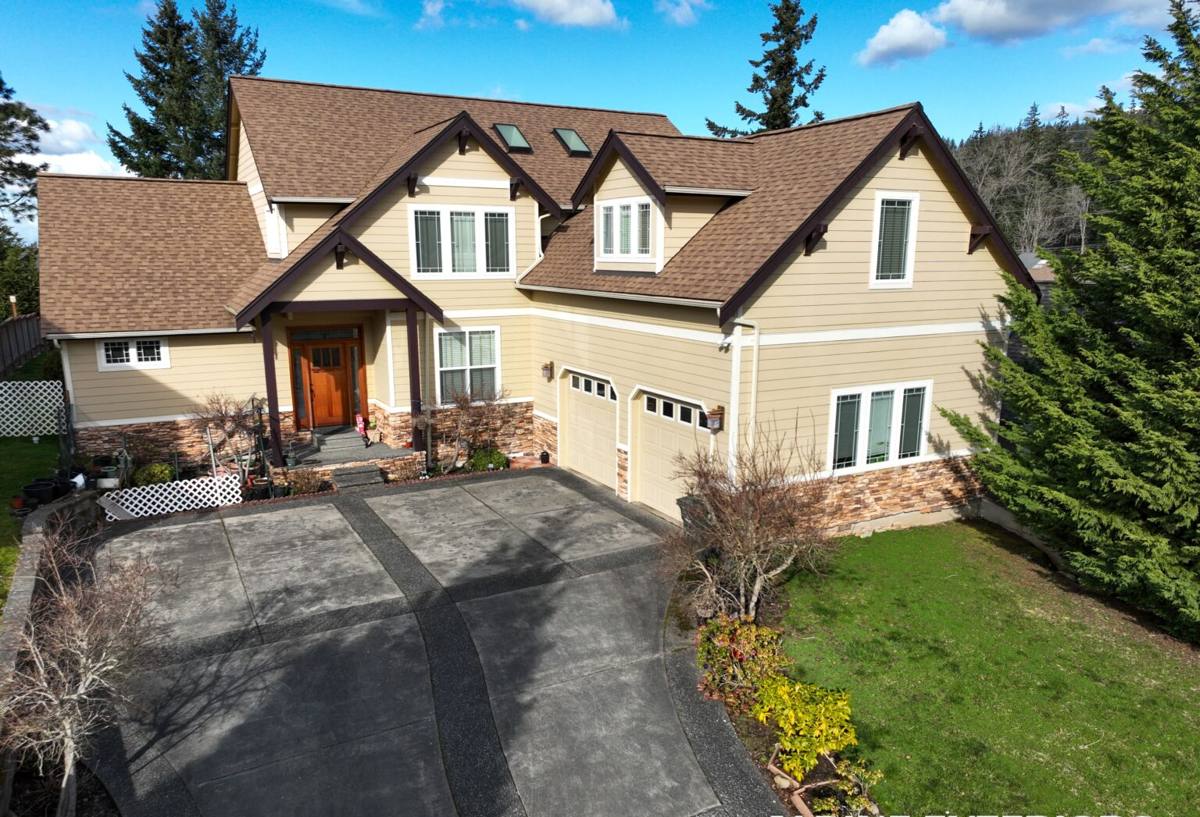
What Clearwater's Climate Actually Does to a Roof
It's worth being specific about the forces at work, because they don't all attack a roof the same way.
UV and Heat
Florida gets more direct, intense sun exposure across more months of the year than almost any other state. That constant UV load bakes the asphalt oils out of shingles, making them brittle and prone to granule loss years before a manufacturer's warranty would suggest. Attics that aren't ventilated properly trap heat underneath the deck, which accelerates that aging from below as well as above.
Wind-Driven Rain and Hurricane Exposure
Clearwater sits in an active hurricane and tropical storm corridor. The damage that matters most in a roof replacement isn't just straight-line wind lifting shingles — it's wind-driven rain being forced sideways and upward under shingle edges, flashing, and vents during a storm. A roof that looks fine after a hurricane can still have taken on water at dozens of small entry points that only show up as a stain or soft spot months later.
Salt Air and Humidity
Even homes set back from the immediate coastline in Pinellas County are exposed to salt-laden air carried inland, along with near-constant humidity. That combination accelerates corrosion on exposed metal fasteners, flashing, and roof vents, and it keeps roofing materials from ever fully drying out between rain events, which shortens the life of underlayment and encourages algae and moss growth on shaded slopes.
Signs a Coachman Ridge Roof Is Due for Replacement
Repairs make sense for isolated problems. Replacement becomes the honest recommendation once a roof is failing in more than one place or the underlying materials are simply worn out. Common signs we look for on homes in this area include:
- Shingles that are curling, cupping, or losing granules in patches rather than just at one damaged spot
- Soft or spongy areas on the roof deck when walked, which usually means water has already reached the wood
- Repeated leaks in different locations after storms, rather than one recurring leak
- Visible daylight or gaps around flashing at chimneys, skylights, or wall intersections
- A roof that is at or past 18-20 years old, which is a realistic service life for asphalt shingles under this climate load
- Rising energy bills tied to a hot, poorly ventilated attic rather than an HVAC problem
What a Correct Roof Replacement Actually Involves
A roof replacement done right is a system, not a single layer of shingles. Skipping steps here is where most premature failures come from, and it's usually invisible until the next storm finds the weak point.
Tear-Off and Deck Inspection
We remove the existing roofing down to the deck rather than layering over old material. That's the only way to actually see the condition of the plywood or OSB underneath — soft, delaminated, or water-stained decking gets replaced before anything new goes down. Covering over a compromised deck just hides the problem for the next crew to find.
Underlayment and Secondary Water Barrier
This layer matters more here than almost anywhere else in the country. A properly installed synthetic or self-adhering underlayment, with sealed seams and reinforced attention at valleys and penetrations, is what keeps wind-driven rain out even if shingles are stressed or lifted during a storm. This is also where a lot of corner-cutting happens on cheaper jobs, because it's completely hidden once the shingles go on.
Flashing, Ventilation, and Fasteners
New step flashing and counter-flashing at walls, chimneys, and skylights, correctly lapped rather than reused or caulked over old flashing. Proper attic ventilation — intake at the eaves, exhaust at the ridge — so heat and moisture can actually move out instead of cooking the deck from underneath. And corrosion-resistant fasteners installed to the manufacturer's nailing pattern, not just close enough, since fastener pull-through is one of the most common causes of wind damage in this region.
Wind-Rated Installation
Florida Building Code sets wind-uplift and fastening requirements that are stricter than most of the country, and Pinellas County enforces them through permitting and inspection. A correct installation follows the manufacturer's high-wind installation instructions, not the standard nailing pattern, to actually meet the rating the shingle is sold under.
Comparing Roofing Materials for This Climate
There's no single "best" material for every home — it depends on the roof's slope, the home's structure, and the homeowner's budget and priorities. Here's an honest comparison of the options most Coachman Ridge homeowners are actually choosing between.
| Material | Wind & Storm Performance | Heat & UV Behavior | Typical Lifespan Here | Maintenance Considerations |
|---|---|---|---|---|
| Architectural Asphalt Shingle | Good when installed to high-wind spec; most common choice locally | Ages faster than other materials under constant sun; granule loss over time | 15-20 years in this climate | Periodic inspection after storms; moderate cost to repair or replace sections |
| Standing Seam Metal | Excellent wind and uplift resistance when properly fastened | Reflects heat well, holds up strongly to UV | 40+ years | Higher upfront cost; fastener and sealant checks over time; can be noisier in heavy rain without proper underlayment |
| Concrete or Clay Tile | Very good wind performance, but individual tiles can crack from impact | Naturally heat and UV resistant | 30-50 years | Heavier structural load; underlayment beneath the tile typically needs replacement before the tile itself does |
We don't push one material as universally superior. We'll walk through the real trade-offs — upfront cost, long-term maintenance, structural weight, and how the material behaves specifically in wind-driven rain — so the decision fits the home and the budget rather than a sales script.
Our Process, Start to Finish
Homeowners in Coachman Ridge deal with the same short list of concerns on every roofing project: how long will this take, will it be done right, and will the property be left clean and undamaged. Our process is built around those three questions.
- On-site inspection and honest assessment — we look at the deck, attic ventilation, flashing points, and current material condition, not just the shingles from the ground.
- Written estimate — material options, scope of work, and timeline laid out clearly, with no pressure to decide on the spot.
- Permitting — we pull the required Clearwater/Pinellas County permit and build to current Florida Building Code wind requirements.
- Tear-off and deck repair — full removal of old roofing, deck inspected and any damaged sections replaced before moving forward.
- Underlayment, flashing, and ventilation installed — the parts that determine whether the roof actually performs in a storm.
- New roofing material installed to manufacturer high-wind specifications.
- Cleanup and final walkthrough — magnetic sweep for debris and nails, and a final inspection with the homeowner before we consider the job done.
Permits, Codes, and Why They're Not Optional
Roof replacements in Clearwater require a permit, and inspections verify the work meets current Florida Building Code wind-uplift and fastening standards for this region. This isn't bureaucratic overhead — it's the mechanism that actually holds a roof down in a hurricane. A roof installed without a permit, or without following the wind-rated nailing pattern, may look identical to a correct one right up until the first serious storm tests it. It can also complicate insurance claims and resale if the work isn't documented and inspected properly.
What Roof Replacement Typically Costs
Pricing depends on roof size, pitch, material choice, deck condition, and how much of the underlying structure needs repair or upgrading — so we won't quote a number without seeing the roof. In general terms, asphalt shingle replacement tends to be the most budget-friendly option, metal roofing carries a higher upfront cost offset by a much longer service life, and tile falls in between with added structural considerations. The honest way to think about cost is total cost over the roof's life, not just the install price, since a cheaper roof that needs repair after every major storm often costs more over 15 years than a correctly installed one.
Why Local Experience in Coachman Ridge Matters
A crew that already works in this neighborhood knows the general age and construction patterns of the housing stock here, understands what Pinellas County permitting and inspection actually require, and has already dealt with the specific combination of heat, wind, and salt air that Clearwater roofs are built to survive. That's different from a crew working from a generic checklist. It means fewer surprises during tear-off, a realistic timeline based on actual local weather patterns rather than a best-case estimate, and a roof built to hold up to the storms this area actually sees rather than a national average.
If your roof is showing its age or you just want an honest second opinion, we're happy to take a look. Request a free, no-pressure estimate using the form below and we'll walk the roof, answer your questions, and give you a straight assessment of where things stand.