 Clearwater Roofing
 Roof Replacement Built for Seminole's Coastal Conditions
Seminole sits close enough to the Gulf that homes here take a different kind of beating than roofs even a few miles inland. Between hurricane-force wind events, salt-laden air drifting off the coast, near-daily summer UV exposure, and wind-driven rain that finds every weak seam, a roof in this part of Pinellas County has to do more work than a roof almost anywhere else in the country. Roof replacement here isn't just about swapping old shingles for new ones — it's about correcting whatever let the old roof fail early and building the new one to actually hold up to the next decade of Gulf-coast weather.
We work on homes throughout the Seminole area regularly, and the patterns repeat: roofs that were installed to minimum code and nothing more, ventilation that was never sized correctly, and flashing details that were rushed. A proper replacement fixes all of that at once, while the roof is already open.
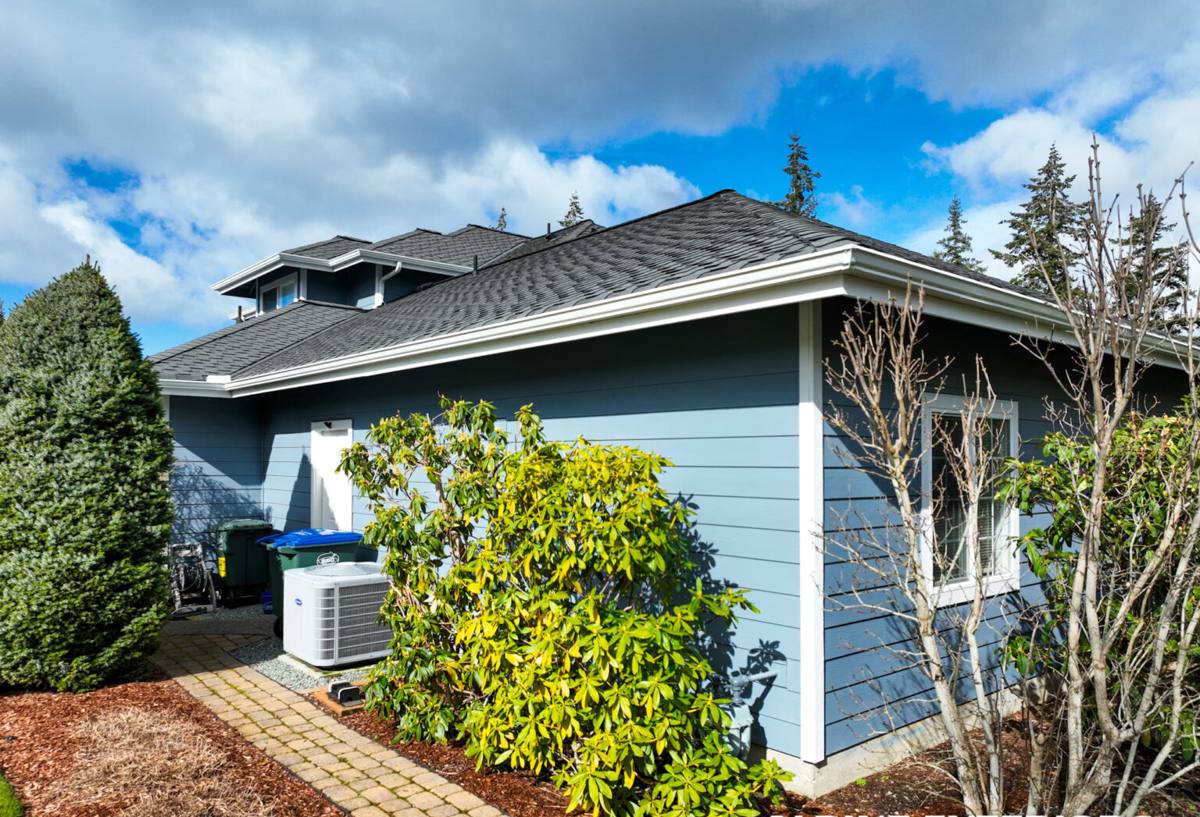
Why Seminole Roofs Wear Out Faster Than the Manufacturer's Warranty Suggests
Most shingle and underlayment products are rated and tested under generic conditions, not the specific combination of heat, humidity, salt exposure, and storm frequency that Seminole and the rest of Clearwater sit in. A few things compound here:
- UV load: Central Florida sun breaks down asphalt oils and shortens the effective life of shingles well below their rated lifespan if ventilation and attic heat aren't managed.
- Salt air: Even a few miles from the water, airborne salt accelerates corrosion on exposed metal — nails, flashing, vents, and fasteners are often the first components to fail, not the shingles themselves.
- Wind-driven rain: Storms here rarely come straight down. Rain gets pushed sideways under shingle edges, around vents, and into any flashing gap, which is why leaks often show up nowhere near where water actually entered.
- Wind uplift: Sustained coastal winds and hurricane gusts put constant stress on the roof's weakest attachment points — usually the perimeter, ridge, and any penetration.
None of this means a roof is doomed — it means the installation details matter more here than in most parts of the country, and a replacement is the one chance to get every one of those details right.
Signs a Seminole Home Needs Replacement, Not Another Repair
Repairs make sense when the underlying roof structure and majority of the field are still sound. Replacement becomes the honest answer when the damage or aging is systemic rather than isolated. We typically recommend replacement when a home shows:
- Granule loss across large sections of shingle, not just one slope
- Multiple past repairs that haven't stopped recurring leaks
- Soft, spongy decking felt underfoot or from the attic side
- Widespread curling, cracking, or lifted shingle edges
- A roof approaching or past the age where insurance carriers start requiring inspections or non-renewal
- Visible daylight through the decking or persistent musty attic odor
If only one or two of these apply and the rest of the roof is healthy, a repair is usually the right and more cost-effective call — we'll tell you that directly rather than push a full replacement that isn't needed yet.
What a Correct Roof Replacement Actually Involves
A roof replacement is more than the shingles you see. In a coastal wind zone like this one, the layers underneath do most of the actual work of keeping water and wind out.
Tear-Off and Deck Inspection
Every existing layer comes off down to the deck. This is the only point in a roof's life where the decking itself can actually be inspected and repaired — rot, delamination, or soft spots found here get replaced before anything new goes down. Skipping this step is the single most common shortcut that leads to early failure.
Underlayment
Given how often wind-driven rain gets under the shingle field here, we don't treat underlayment as an afterthought. A synthetic or self-adhered underlayment system, properly lapped and sealed at penetrations, is what actually keeps a home dry during the sideways rain a tropical system throws at it — long after any wind-damaged shingles are gone.
Flashing
Valleys, chimneys, skylights, sidewalls, and vent penetrations are where the overwhelming majority of leaks originate. New flashing, correctly integrated with the underlayment (not just caulked over old metal), is non-negotiable on a real replacement.
Fastening and Wind Rating
Florida Building Code sets minimum nailing patterns and wind-uplift requirements based on the local wind zone, and Pinellas County's coastal proximity puts Seminole in a demanding category. We install to the nailing pattern and fastener spec the product and code require for this wind zone — not the minimum a crew can get away with on an inland job.
Ventilation
Attic ventilation affects both shingle life and energy bills. An under-ventilated attic cooks shingles from underneath, which shortens their life regardless of what's happening on top. We check intake and exhaust balance as part of every replacement, not as an upsell.
Material Options for Seminole Homes
There's no single "best" roofing material — the right choice depends on budget, how long you plan to stay in the home, and how much long-term maintenance you want to take on. Here's how the common options actually compare for this climate:
| Material | Typical Lifespan Here | Wind Performance | Maintenance Considerations |
|---|---|---|---|
| Architectural asphalt shingle | 15-25 years | Good, when rated and installed for the local wind zone | Periodic inspection after storms; most cost-effective upfront |
| Standing seam metal | 30-50 years | Excellent uplift resistance with proper fastening | Higher upfront cost; minimal ongoing maintenance; handles salt air well when properly coated |
| Concrete/clay tile | 30-50 years | Very good, but individual tiles can crack or dislodge in severe wind | Underlayment typically needs replacement before the tile itself; heavier structural load |
We'll walk through the real tradeoffs for your specific home rather than steering you toward whatever's easiest to install. A shingle roof installed correctly for this wind zone will outperform a premium material installed with shortcuts.
Our Replacement Process
- Inspection and honest assessment — we look at the whole roof system, not just the surface, and tell you plainly whether replacement or repair is the right call.
- Written scope and permit — Pinellas County requires a permit for roof replacement; we handle the permitting and inspections so you don't have to chase paperwork.
- Tear-off and deck repair — full removal down to the deck, with any damaged decking replaced before anything new is installed.
- Underlayment and flashing — installed and sealed to the standard this wind zone actually requires.
- Material installation — fastened to the nailing pattern and wind-uplift spec for the product and code.
- Final inspection and cleanup — county inspection where required, plus a full site cleanup including magnetic sweep for stray fasteners.
Why a Crew That Already Works in Seminole Matters
Roofing crews that only occasionally work this part of Pinellas County tend to install to generic, minimum-code standards. Crews that work Seminole and the surrounding Clearwater area regularly know the wind zone requirements cold, have an established relationship with the county permitting office, and have already seen how the local climate exposes weak installation details over time. That familiarity shows up in fewer callbacks, faster permitting, and a roof that's actually built for what it's going to face here — not for a generic weather profile.
Response time matters too. After a storm, the contractors who already know the neighborhood and its properties can get eyes on a roof faster than someone driving in from across the region.
What to Check Before Hiring Anyone for a Roof Replacement
- Current Florida roofing license and general liability insurance — ask to see it, don't just take their word
- A written scope of work that specifies underlayment type, flashing approach, and fastening pattern — not just "new roof, shingle color X"
- Confirmation they pull the actual permit in their name, not an unlicensed subcontractor's
- Manufacturer certification if you're going with a material that offers enhanced warranty coverage for certified installers
- A clear explanation of wind-uplift rating and how it applies to your specific home
- Willingness to do a full tear-off inspection rather than quoting blind from the ground
Any contractor unwilling to answer these plainly is telling you something about how the rest of the job will go.
Maintaining Your New Roof
A correctly installed roof still benefits from basic upkeep, especially in a salt-air, high-UV environment:
- Have the roof visually inspected after any major named storm
- Keep gutters and valleys clear so water doesn't pool or back up under shingle edges
- Trim back overhanging branches that hold moisture against the roof surface or drop debris
- Watch for rust streaking near metal flashing or fasteners, which can signal early corrosion
- Schedule a periodic professional inspection rather than waiting for an active leak
If your Seminole home's roof is showing its age, or you just want a straight answer on whether repair or replacement makes more sense, we're happy to take a look. Use the form below to request a free, no-pressure estimate — we'll walk the roof, explain what we find, and give you options, not pressure.