 Clearwater Roofing
 Living on the Water Changes What Your Siding Has to Do
Indian Rocks Beach sits on a narrow barrier island in Pinellas County, with the Gulf of Mexico on one side and the Intracoastal Waterway on the other. That location is why people love it, and it's also why siding here works harder than siding almost anywhere else in the Tampa Bay area. Homes on or near the island don't just deal with Florida sun and Florida storms — they deal with those things plus a steady dose of salt-laden air moving off the water every single day, whether a storm is anywhere near or not.
Ordinary siding advice that applies fine a few miles inland doesn't always hold up on the beach side of Pinellas County. When we replace siding on an Indian Rocks Beach home, we're planning for a different, harder set of conditions than we'd plan for on a house in Clearwater proper.
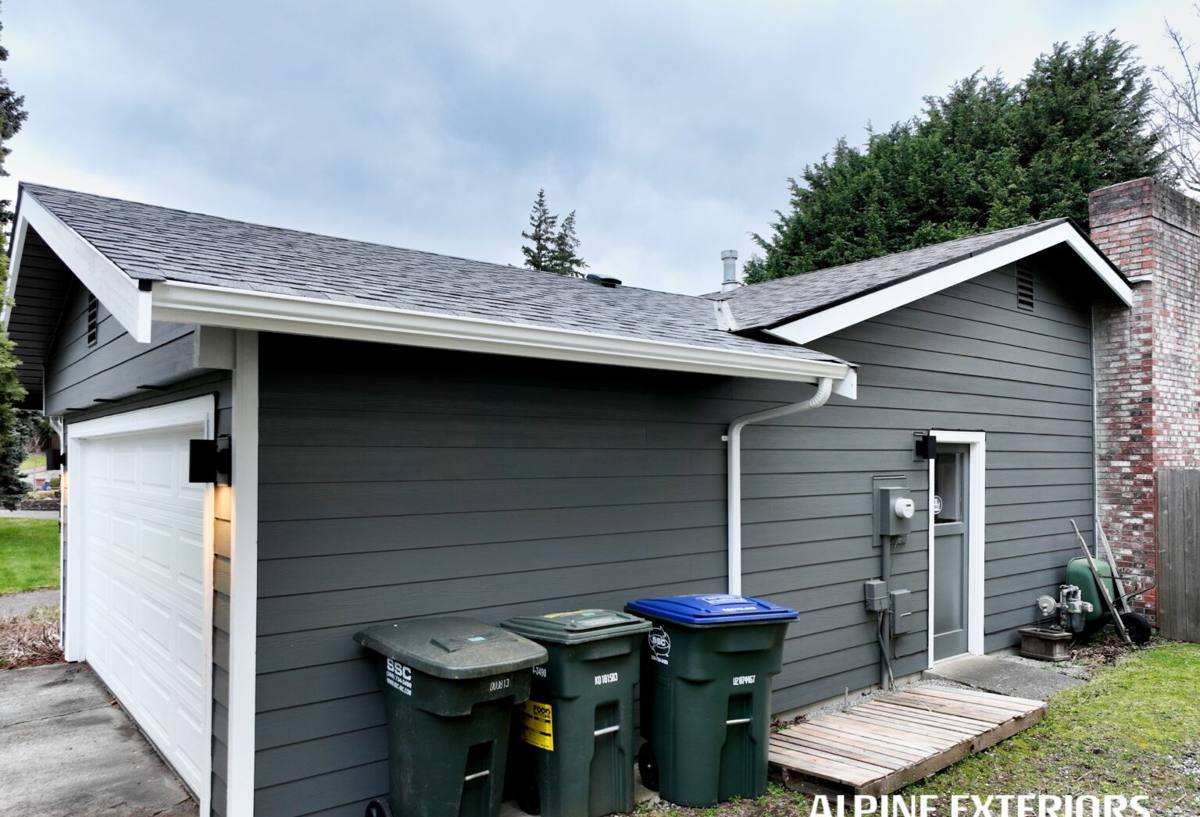
What Coastal Exposure Actually Does to Siding Over Time
Salt Air
Salt in the air settles on exterior surfaces and, over years, it accelerates corrosion of exposed metal fasteners, trim, and hardware. It also breaks down certain siding finishes faster than the manufacturer's inland warranty terms assume. A siding material and finish that's rated for general Florida use isn't automatically rated for direct salt exposure a few blocks from the Gulf.
Intense, Year-Round UV
Pinellas County gets strong sun essentially all year. UV breaks down cheap paints and low-grade finishes, causing chalking, fading, and — on some siding materials — surface cracking as the material dries out and contracts unevenly.
Wind-Driven Rain
It's not just how much rain Florida gets, it's how it arrives. Wind-driven rain gets forced sideways and upward into laps, seams, and fastener points that would stay dry in a calm rain. Siding and the flashing details behind it have to be installed to handle water moving in directions gravity alone wouldn't send it.
Hurricane-Force Wind
Barrier island homes take the first hit when tropical systems move through the Gulf. Siding here needs correct fastening, correct product selection, and correct installation technique — not just to look good, but to stay attached when it matters most.
Signs an Indian Rocks Beach Home Needs Siding Replacement
Repair makes sense for isolated damage. Replacement makes sense once the siding as a whole can no longer keep water and wind out reliably. Common signs we look for on coastal Pinellas County homes include:
- Soft, spongy, or crumbling siding when pressed — a sign moisture has already reached the substrate
- Visible warping, buckling, or gaps that have opened between panels or boards
- Paint that won't hold anymore no matter how often it's redone
- Rust streaking from fasteners or trim, a common coastal-exposure symptom
- Soft spots, staining, or a musty smell on interior walls that back up to exterior siding
- Siding that's original to a home built decades ago and was never rated for direct coastal exposure
- Visible storm damage — cracked, missing, or lifted sections after wind events
If you're only seeing one or two of these in a limited area, a repair may be enough. If they show up across multiple walls or elevations, that usually points to a systemic problem worth addressing with full replacement rather than patchwork fixes.
Why We Only Install James Hardie Fiber Cement Siding
We made a decision a while back to standardize on James Hardie fiber cement siding and stop installing vinyl, LP SmartSide, and other engineered-wood or wood-based products — even though all of those have a legitimate place in the market and work fine in a lot of climates. Here's the honest version of why that doesn't include coastal Pinellas County jobs:
- Vinyl is affordable and low-maintenance, but it's a thin plastic product that can warp or distort in sustained heat and direct sun exposure, and it can crack or blow off in high wind if it isn't installed and fastened exactly right. On a barrier island getting full sun most of the year and periodic hurricane-force gusts, that's a real trade-off, not a hypothetical one.
- Engineered wood products (like LP SmartSide) perform well when kept dry and properly maintained, but they're wood-based, which means they're more sensitive to sustained moisture exposure than a cement-based product. Given how much wind-driven rain and salt-laden moisture an Indian Rocks Beach home deals with, we don't think that's the right bet for our customers here.
- Raw wood or primed spruce/cedar siding can look great, but it demands frequent recoating and sealing to hold up near saltwater, and falling behind on that maintenance schedule shows up fast in a coastal environment.
James Hardie fiber cement is non-combustible, dimensionally stable, and holds its factory-applied ColorPlus finish far longer under UV and salt exposure than field-applied paint typically does. It's engineered specifically for humid, high-moisture climates through Hardie's HZ5 product line, which is what Florida installations are built around. That combination — material stability, finish durability, and a strong transferable warranty — is why it's the only siding we put on homes, full stop.
What a Correct Siding Replacement Involves
Fiber cement siding only performs the way it's supposed to when every layer behind it is done right. A correct replacement isn't just pulling off old siding and nailing up new boards. It involves:
- Full tear-off and substrate inspection — removing the old siding down to the sheathing and checking for rot, soft spots, or hidden moisture damage before anything new goes up
- Sheathing repair — replacing any compromised wood substrate rather than covering it up
- A continuous weather-resistive barrier — installed correctly, lapped in the right direction, and sealed at penetrations so water sheds outward instead of getting trapped
- Correct flashing details at windows, doors, corners, and any wall penetrations, since these are the spots wind-driven rain finds first
- Manufacturer-specified fastening — the right fastener type, spacing, and embedment for the wind exposure category the home sits in, not a generic pattern
- Proper clearances at grade, roofing, and other transitions, so siding isn't sitting somewhere it will wick up moisture over time
Skip any one of these steps and you can end up with siding that looks right for a season or two but fails early — usually right where you can't see it, behind the boards.
Choosing the Right Hardie Product for a Beach-Adjacent Home
James Hardie makes several product lines, and the right choice depends on the home's style and how exposed it is. For most Indian Rocks Beach homes, we're generally working with:
- HardiePlank lap siding — the most common choice, available in several textures and exposures, and the closest match to traditional Florida coastal home styling
- HardiePanel vertical siding — often used for accent walls, gables, or a more modern look
- HardieTrim — for corners, fascia, and window/door trim, so the whole exterior system is consistent rather than mixing materials at the trim line
All of it comes through Hardie's HZ5 formulation, engineered for the humidity and moisture conditions common to Gulf Coast Florida, and finished with ColorPlus technology — a factory-baked finish that resists fading and holds its bond to the substrate better than field-applied paint, which matters more here than almost anywhere given the UV and salt exposure. Color selection near the water is also worth a real conversation: darker colors absorb more heat and can show environmental wear differently than lighter tones over time, which is a factor we walk through with homeowners rather than leaving to guesswork.
Our Siding Replacement Process
We keep the process straightforward and try to minimize surprises, especially since Indian Rocks Beach properties are often on tight lots with limited staging space:
- Inspection and estimate — we walk the exterior, check the substrate where accessible, and give you a clear, honest assessment of repair versus replacement
- Product and color selection — choosing the right Hardie profile, texture, and ColorPlus color for the home and its exposure
- Permitting — pulling the required permits through the proper local jurisdiction before work begins
- Tear-off and prep — removing old siding, inspecting and repairing the substrate, and installing the weather barrier
- Installation — installing siding, trim, and flashing to manufacturer specification and local wind requirements
- Final walkthrough and cleanup — a full site cleanup and a walkthrough so you can see the finished work and ask questions before we consider the job done
What Affects the Cost of a Siding Replacement
Every home is different, and we don't post fixed prices because the honest range depends on real project specifics. These are the factors that move the number most:
| Factor | Why It Matters |
|---|---|
| Home size and number of stories | More surface area and taller wall sections mean more material and labor, plus added access requirements |
| Condition of the substrate | Rotted or water-damaged sheathing found during tear-off has to be repaired before new siding goes on |
| Siding profile and texture | Lap width, texture, and trim complexity all affect material and labor time |
| Amount of trim and detail work | Corners, window and door surrounds, and architectural details add labor beyond flat wall runs |
| Site access | Tight barrier-island lots, limited staging area, or difficult equipment access can add time |
| Old siding removal | Some existing materials are more labor-intensive to remove and dispose of than others |
We walk through these factors with every homeowner during the estimate so there's no confusion about where the number comes from.
Why Local Experience in Indian Rocks Beach Matters
Siding contractors who mostly work inland aren't always tuned in to what beachside Pinellas County properties actually need — the permitting expectations of the local jurisdiction, the wind exposure requirements that apply this close to open water, and the practical realities of working on narrow island lots with limited staging room. A crew that regularly works Indian Rocks Beach and the surrounding coastal communities already knows these details going in, which means fewer surprises mid-project and a finished install that's actually built for where the home sits — not a generic installation dropped onto a coastal property.
If your siding is showing its age, or you're planning ahead of the next storm season, we're happy to take a look and give you a straightforward, no-pressure estimate. There's no obligation — just an honest read on what your home needs.