 Clearwater Roofing
 Metal Roofing Built for Skycrest's Specific Conditions
Skycrest is one of Clearwater's established residential neighborhoods, and like most of Pinellas County, it sits close enough to the Gulf and Tampa Bay that "coastal climate" isn't a marketing phrase — it's a daily fact of exterior wear. When you're comparing metal roofing for a home in Skycrest, the questions that matter aren't abstract. They're about how a roof holds up against hurricane-force wind gusts, months of direct UV exposure, sudden wind-driven downpours, and a steady drift of salt air moving inland from the water. A crew that already works this neighborhood knows which details matter most here, because we see what fails first when those details get skipped on other jobs nearby.
This page covers what a correctly installed metal roof needs to do for a Skycrest home specifically, what our process looks like from the first call to the final walkthrough, and how to think about materials and cost without getting lost in manufacturer marketing.
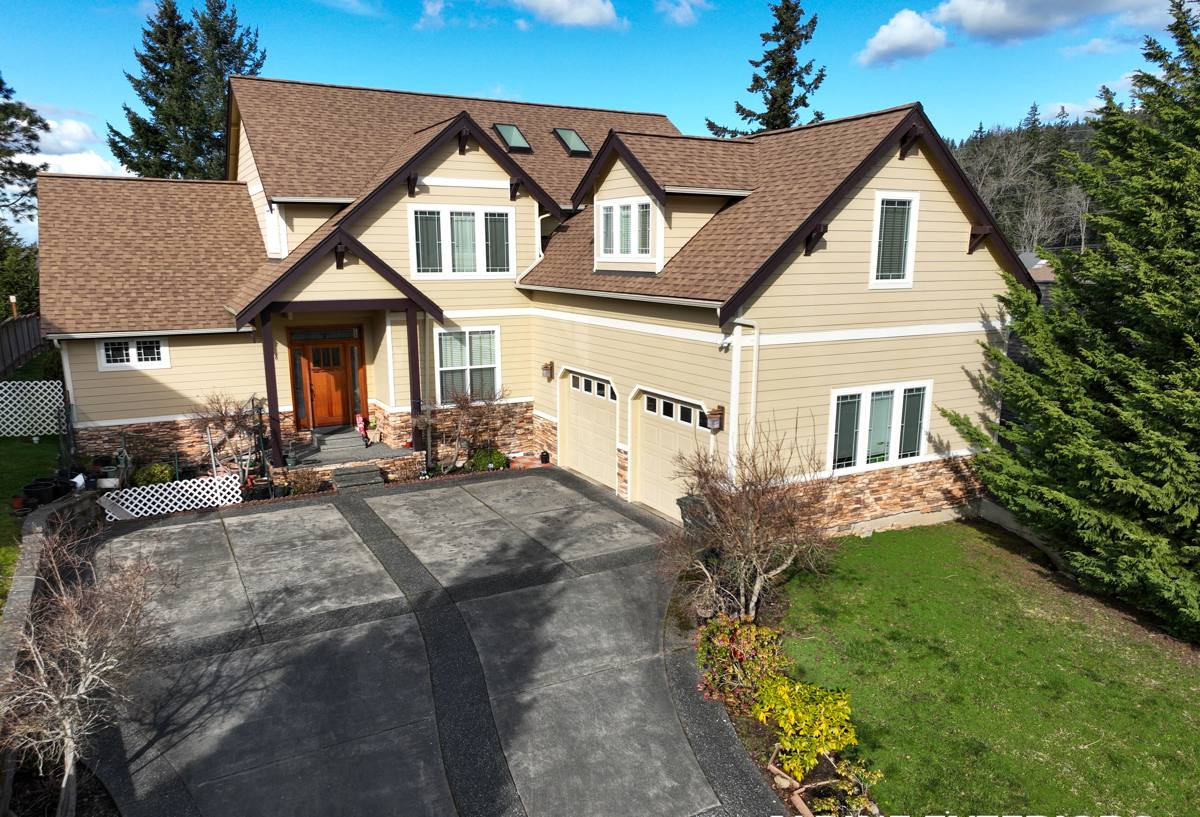
What Clearwater's Climate Actually Does to a Roof
Pinellas County roofs deal with several stresses at once, and each one attacks a roof differently. Understanding them is the difference between a metal roof that performs for decades and one that develops problems in the first few years.
Hurricane-Force Wind
Wind doesn't just push on a roof — it creates uplift, the same force that lifts an airplane wing. Loose panel edges, undersized fasteners, or skipped clips are exactly what a strong gust looks for. Metal roofing has a genuinely strong wind track record, but only when the fastening pattern, panel seams, and edge details are installed to the load the roof is actually rated for.
Intense, Year-Round UV
Florida sun is harder on roofing materials than sun in most of the country, simply because there's so much more of it, spread across the entire year instead of a few summer months. UV breaks down coatings, fades color, and dries out sealants faster than in milder climates. A roof's finish matters as much here as its metal.
Wind-Driven Rain
A roof doesn't just need to shed water falling straight down — it needs to resist rain being driven sideways and forced up under laps and around penetrations during a storm. This is a flashing and underlayment problem more than a panel problem, and it's where a lot of otherwise decent installs fail.
Salt Air
Even inland from the beach, salt-laden air moves through Pinellas County and accelerates corrosion on unprotected metal, fasteners, and flashing. Material choice and coating quality make a real difference in how a roof ages here over ten or twenty years.
What a Correct Metal Roof Installation Involves
Metal roofing looks straightforward from the ground, but the parts nobody sees are what determine whether it performs. A correct job in a wind- and moisture-exposed area like Skycrest involves several layers working together, not just panels laid over the old roof.
Deck Inspection and Repair
Every install starts with the roof deck itself. Soft, delaminated, or water-damaged plywood has to be identified and replaced before anything goes on top of it — panels fastened into weak decking are only as strong as the wood holding them, no matter how good the metal is.
Underlayment
A synthetic or self-adhering underlayment goes down as the roof's real waterproof barrier. Metal panels shed the bulk of the water, but underlayment is what protects the deck if wind-driven rain gets past a seam or a fastener during a severe storm.
Fastening and Panel Layout
Fastener type, spacing, and clip system are matched to the wind loads a Clearwater roof needs to meet — not a generic pattern used everywhere. This is one of the most common places corners get cut on lower-bid jobs, and it's invisible until a storm tests it.
Flashing and Penetrations
Valleys, chimneys, vent stacks, and wall transitions are where most roof leaks actually originate, on metal or any other roofing material. Properly formed and sealed flashing at every one of these points matters more to long-term performance than the panel profile you choose.
Choosing a Panel System
"Metal roofing" covers more than one product, and the right choice depends on budget, the look you want, and how the panel handles thermal movement and fastener exposure over time in a hot, humid climate.
| Panel Type | How It's Fastened | Typical Trade-Offs |
|---|---|---|
| Standing Seam | Concealed clips, no exposed fasteners on the field of the panel | Higher upfront cost; fewer long-term maintenance points since there are no exposed screws to re-seat or reseal |
| Exposed-Fastener Panel | Screws driven through the panel face into the deck or purlins | Lower upfront cost; fastener washers and screws need periodic inspection and eventual replacement as gaskets age |
| Stone-Coated Steel | Interlocking panels fastened similarly to tile | Mimics shingle or tile appearance; heavier system with different structural and cost considerations |
For most Skycrest homes, the decision comes down to how long you want to own the roof and how much you value never touching exposed fasteners again. We'll walk through the honest trade-offs for your specific roof rather than push whichever system has the best margin.
How Our Process Works
- Inspection and measurement. We walk the roof, check the deck condition, note existing damage, and take accurate measurements — not a drive-by estimate.
- Tear-off vs. overlay decision. In most cases we recommend a full tear-off so the deck can be inspected and repaired properly; we'll explain if your specific roof is a reasonable exception.
- Written scope and materials. You get a clear breakdown of panel type, underlayment, flashing details, and fastening approach before any work starts — no vague "roofing package" line item.
- Permitting. We pull the required permit through the appropriate local building department and schedule inspections at the points the code requires.
- Installation. Deck repair, underlayment, panel installation, and flashing are completed in sequence, with attention paid to the wind and water details that matter most in this climate.
- Cleanup and walkthrough. Job site debris and stray fasteners are cleared with a magnetic sweep, and we walk the finished roof with you before calling the job done.
Wind Ratings, Codes, and Permits
Clearwater falls under the Florida Building Code's wind-borne debris and high-velocity design requirements that apply throughout Pinellas County, and roofing work here requires a permit and inspection — it isn't optional paperwork. A roof's wind rating isn't just about the panel product; it's the combination of panel, fastening pattern, and deck attachment tested and rated as a system. When we quote a job, the fastening spec is matched to what your roof actually needs to meet under current code, not a minimum that happens to be cheaper to install.
If your Skycrest home was built decades ago, as many in the neighborhood were, the existing roof structure and decking may not match current code assumptions. Part of our inspection is checking for this before we finalize a scope, so there are no surprises once the tear-off starts.
What Drives Cost on a Metal Roof
Metal roofing costs vary more than shingle roofing because there's more variation in the product itself. Rather than quote a number that means little without context, here's what actually moves the price on a given roof.
| Factor | Why It Matters |
|---|---|
| Panel system | Standing seam runs higher than exposed-fastener panel for the same square footage |
| Roof complexity | Valleys, dormers, and multiple roof planes add labor and flashing detail versus a simple gable |
| Deck condition | Rot or delamination found at tear-off adds repair cost that can't be accurately quoted until the old roof is off |
| Coating and gauge | Heavier gauge steel and higher-grade coatings cost more but hold up longer against UV and salt exposure |
| Accessibility | Steep pitches, tall roofs, and tight lot access affect labor time and equipment needs |
We give you a real number tied to your roof's actual condition and layout, not a per-square-foot estimate that changes once work starts.
Maintaining a Metal Roof in a Coastal Climate
Metal roofing is low-maintenance compared to most materials, but "low" isn't "none," especially with salt air and intense UV in the mix. A short annual check goes a long way toward getting the full lifespan out of the system.
- Clear debris and leaves from valleys and around penetrations so water doesn't pool
- Look at exposed fasteners (if your system has them) for loosening or gasket wear
- Check sealant at flashing points, vents, and wall transitions for cracking
- Rinse off accumulated salt residue and grime periodically, especially closer to the water
- Have the roof looked at after any major named storm, even if you don't see obvious damage
Why a Crew That Already Works Skycrest Matters
A metal roof is only as good as the details behind it, and those details are easiest to get right when a crew has already worked the local permitting process, understands what this specific wind and salt environment does to fasteners and coatings over time, and can respond quickly if a storm causes damage between the estimate and the install. We're not learning Pinellas County's requirements on your roof — we're applying what we already know from working in Clearwater neighborhoods like this one, roof after roof.
If you're weighing metal roofing for your Skycrest home, we're glad to take a look and give you a straight answer — including telling you if a repair or a different system makes more sense than a full replacement. Request a free, no-pressure estimate using the form below and we'll get a time on the calendar.