 Clearwater Roofing
 Roof Repair for Skycrest Homes
Skycrest is one of Clearwater's established neighborhoods, with a mix of home ages and roof types that reflects decades of Pinellas County growth. Some houses still carry original decking and framing from earlier construction eras, while others have been re-roofed once or twice already. That mix matters when it comes to repair work, because what a roof needs depends heavily on its age, its last re-roof date, and how it has held up under Florida sun and storms since. A repair approach that works on a five-year-old roof can be the wrong call on a roof that's twenty years in — and a crew that treats every job the same way will miss that difference.
We work on roofs throughout Clearwater and Pinellas County, and Skycrest's housing stock is familiar territory: moderate-pitch roofs, a lot of asphalt shingle, some tile and metal, and roof decks that have been through more than one hurricane season. Good repair work here starts with an honest look at what's actually happening under the surface, not just a patch over the spot that's leaking.
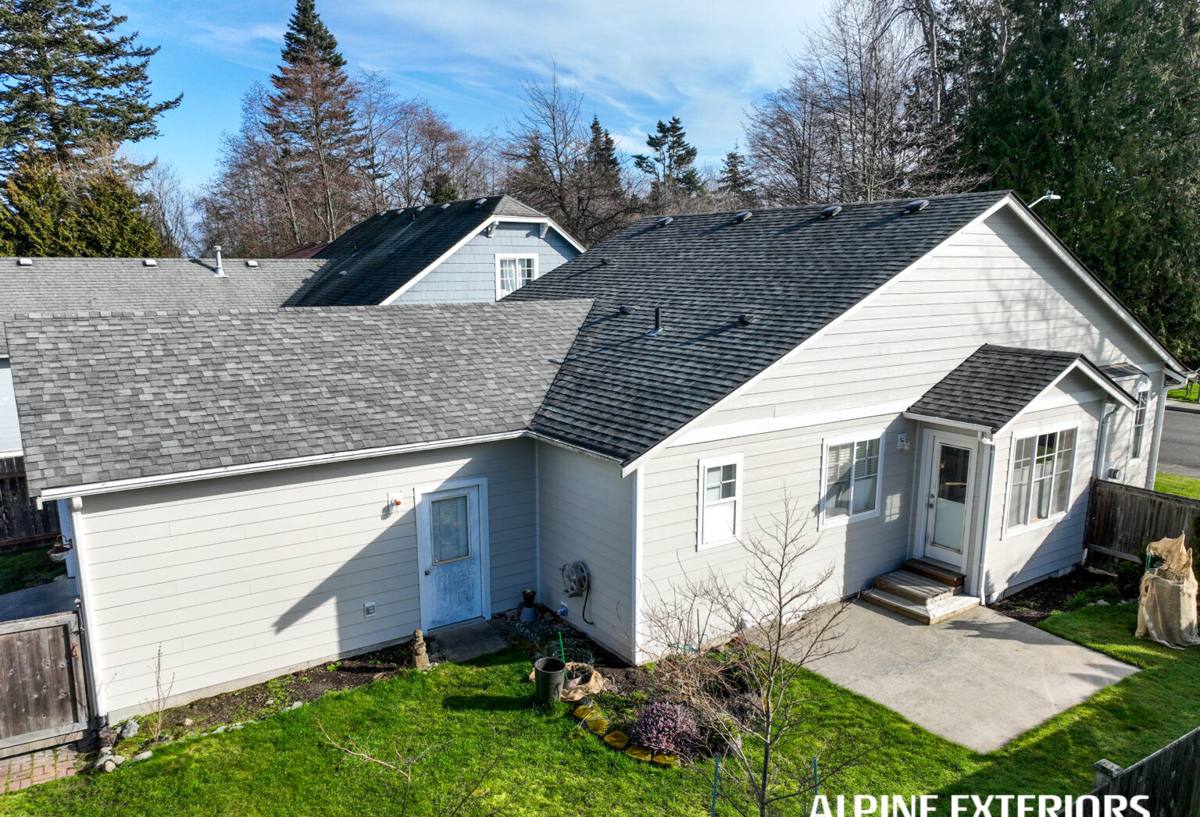
What Clearwater's Climate Does to a Roof
Roofs in this part of Florida age differently than roofs almost anywhere else in the country, and Skycrest is no exception. Four things drive most of the repair calls we get in this area.
Intense, Year-Round UV
Florida sun is relentless and doesn't take a season off. UV exposure breaks down the oils and resins in asphalt shingles over time, causing granule loss, brittleness, and cracking. A roof that looks fine from the ground can already have shingles that have lost their flexibility and will crack the next time someone walks on them or a branch comes down.
Wind-Driven Rain
Florida storms rarely come straight down. Wind-driven rain gets pushed sideways and upward under shingle edges, around flashing, and into any gap that a calmer rain would never find. This is why a roof can pass a casual visual check and still leak during a windy afternoon storm — the water isn't coming through the field of the roof, it's finding its way in at the transitions.
Hurricane-Force Winds
Pinellas County sits in a hurricane-prone zone, and even storms that don't make direct landfall here can bring sustained winds strong enough to lift shingle tabs, loosen ridge caps, and stress flashing seals. Wind damage is often subtle at first — a few lifted or missing shingles — but it opens the door for water intrusion that gets worse with every storm that follows.
Salt Air
Clearwater's proximity to the Gulf means salt air reaches inland neighborhoods, including Skycrest, more than most homeowners realize. Salt accelerates corrosion on exposed metal — flashing, fasteners, vent stacks, and drip edge — which is a common source of small leaks that get blamed on the shingles when the real culprit is corroded metal underneath.
Signs a Skycrest Roof Needs Repair
Most roof problems give warning signs before they become emergencies. Here's what we tell Skycrest homeowners to watch for between inspections:
- Water stains on ceilings or in the attic, especially after a windy rain rather than a calm one
- Shingles that are curling, cracking, or missing granules in patches
- Missing or lifted shingles after a storm, even just a few
- Rust streaks or discoloration around vent pipes, flashing, or metal edges
- Soft spots in the decking when walked on, which usually means moisture has reached the wood
- Granules collecting in gutters or at the base of downspouts
- Daylight visible through the attic roof deck
- A musty smell in the attic, which often points to trapped moisture before any visible stain appears
Any one of these on its own doesn't necessarily mean a major problem, but they're worth a proper look rather than a guess.
What a Correct Repair Actually Involves
A repair that's done right isn't just about covering the spot that's leaking. It involves finding the actual entry point, which is sometimes several feet away from where the stain shows up inside, since water travels along the deck and framing before it drips down. From there, a proper repair means:
- Confirming the true source of the leak, not just the visible symptom
- Checking the surrounding shingles, underlayment, and flashing for hidden damage, not just the immediate area
- Inspecting the deck for soft or rotted wood and replacing any that's compromised
- Re-flashing or resealing around penetrations (vents, chimneys, skylights) where corrosion or age has broken the seal
- Matching replacement shingles as closely as possible in type, color, and profile
- Verifying the repair against Florida building code requirements for wind resistance and water shedding
Skipping steps here is how a "repaired" roof ends up leaking again in the next storm. A patch that only addresses the surface symptom, without checking the deck and flashing underneath, is a short-term fix that costs more in the long run.
Repair or Replace: How We Help You Decide
Not every roof problem calls for a full replacement, and not every roof is a good candidate for another repair. We walk homeowners through the honest trade-offs rather than defaulting to the bigger job.
| Factor | Leans Toward Repair | Leans Toward Replacement |
|---|---|---|
| Roof age | Under 12-15 years | Approaching or past expected shingle lifespan |
| Damage extent | Localized to one area or penetration | Spread across multiple sections of the roof |
| Deck condition | Solid, no rot found | Soft spots or rot in multiple areas |
| Shingle condition elsewhere | Still flexible, granules intact | Widespread curling, cracking, granule loss |
| Repair history | First or second repair on this roof | Repeated repairs to the same areas |
| Insurance/storm damage | Isolated wind damage | Documented storm damage across the roof |
We'll give you our honest read on which side of that table your roof falls on, including when a repair is genuinely the right call and a replacement would be spending money you don't need to spend yet.
Our Repair Process
When we come out to a Skycrest home, the process is straightforward:
- Inspection: We check the roof surface, flashing, penetrations, and — when accessible — the attic deck from below, since interior signs often tell us as much as what's visible on top.
- Diagnosis: We identify the actual source of the problem, not just where the symptom shows up, and explain what we found in plain terms.
- Written estimate: You get a clear scope of work and price before anything is touched, no surprise add-ons mid-job.
- Repair: The work is done with materials matched to your existing roof wherever possible, and any deck or flashing issues found along the way are addressed, not ignored.
- Cleanup and check: We clear debris and nails from the property and do a final check before we consider the job finished.
Materials That Hold Up Here
Underlayment
Given how much wind-driven rain this area sees, we favor self-adhering or high-quality synthetic underlayment at vulnerable areas like valleys, eaves, and penetrations rather than relying on the shingle layer alone to keep water out. It costs more up front but does far more of the actual water-shedding work during a sideways rain than standard felt.
Flashing and Fasteners
Given the salt air moving inland from the Gulf, we use corrosion-resistant flashing and fasteners rather than standard-grade metal, particularly around chimneys, vent stacks, and roof-to-wall transitions where a failed seal causes a disproportionate share of leaks.
Shingle Matching
We aim to match existing shingles as closely as possible in a repair, understanding that some color variation is unavoidable once a roof has weathered for a few years in Florida sun. We'll be upfront if an exact match isn't realistic so there are no surprises.
Why a Crew That Already Works in Skycrest Matters
Roofing in Clearwater isn't the same as roofing in a drier, calmer climate. A crew that regularly works this area already understands the local permitting process, Pinellas County's wind-resistance requirements, and the specific ways salt air and hurricane exposure show up in roof damage before it becomes visible from the ground. That familiarity means fewer surprises, a faster and more accurate diagnosis, and repair decisions that account for what this roof will face next storm season — not just what's wrong with it today.
It also means we're not guessing at what's normal for homes in this neighborhood versus what's an actual problem. That local context saves time on the inspection and helps us give you a straight answer instead of a generic one.
Keeping a Repaired Roof in Good Shape
A good repair buys you time, but a little maintenance afterward extends that time considerably:
- Keep gutters and downspouts clear so water isn't backing up under the roof edge
- Trim back tree limbs that overhang the roof, reducing debris buildup and storm-impact risk
- Have the roof looked at after any major storm, even if nothing looks obviously wrong
- Schedule a walk-through inspection every year or two, especially as a roof passes the ten-year mark
- Address small issues promptly rather than waiting for a leak to show up inside
If you're dealing with a leak, storm damage, or just want an honest read on where your Skycrest roof stands, we're happy to take a look. Reach out using the form below for a free, no-pressure estimate.