 Clearwater Roofing
 Sunset Point's Waterfront Exposure Is Rough on Siding
Sunset Point sits along the water on the north side of Clearwater, and that waterfront position means homes here take a heavier beating than siding just a few miles inland. Salt-laden air rides in off the harbor and settles on exterior walls day after day, working into seams, fastener heads, and any spot where the factory finish has been compromised. Add in Pinellas County's UV load — some of the most intense year-round sun exposure in the continental U.S. — and siding materials that aren't built for it start to fade, chalk, or degrade well before their expected lifespan.
Then there's wind. Clearwater sits in a hurricane-exposed wind zone, and Sunset Point's open waterfront position means less tree and structure buffering than a more sheltered inland lot. Wind-driven rain doesn't just fall on siding, it gets pushed sideways and upward, finding any gap in flashing, caulking, or lap joints and forcing water behind the cladding. That combination — salt air, constant UV, and wind-driven rain — is exactly the environment that turns a small siding problem into a bigger one if it sits unaddressed.
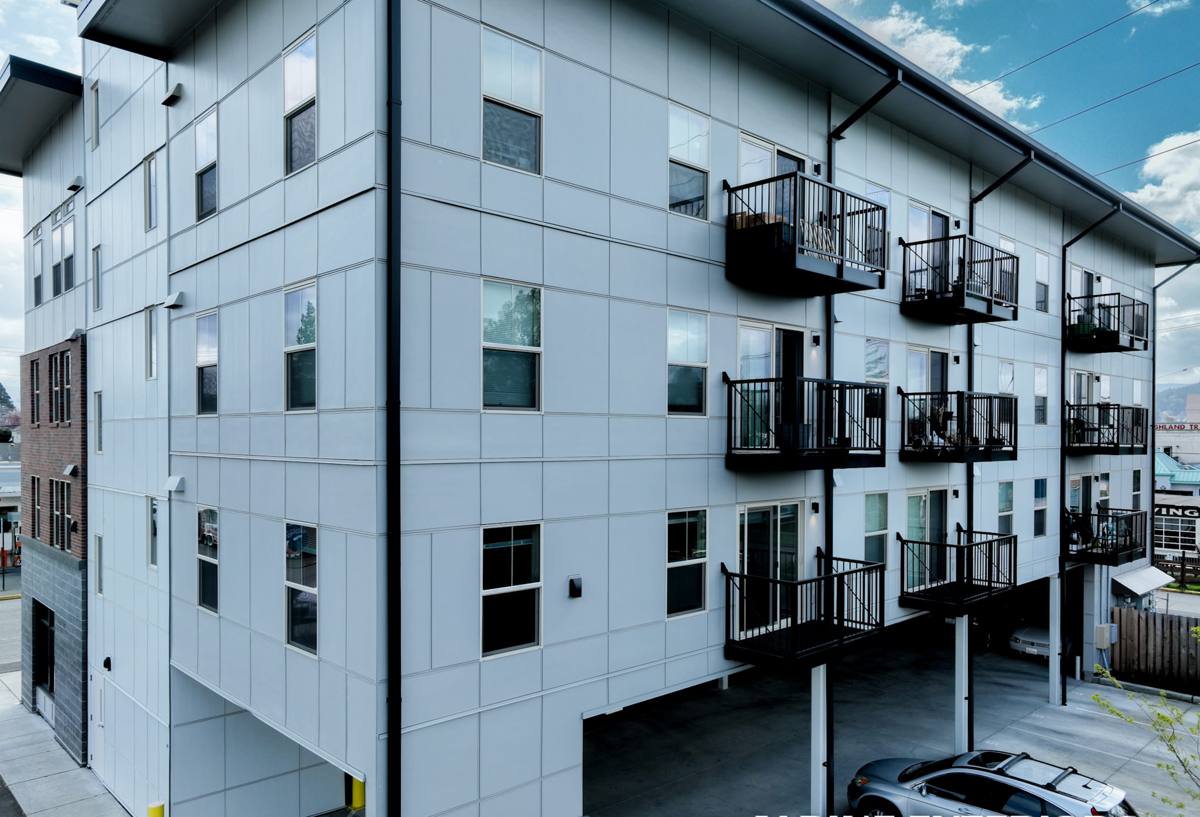
What Siding Damage Looks Like in a Coastal Neighborhood Like This
Because the damage mechanism here is different from a typical inland home, the warning signs are worth knowing before they become structural. A siding repair crew working this area regularly sees the same patterns:
- Soft or spongy spots when you press on a wall section — usually a sign moisture has gotten behind the siding and into the sheathing
- Visible gaps, cracks, or separation at seams, corners, and butt joints where caulking has failed
- Chalky residue or noticeable fading on the sun-facing elevations, especially south and west walls
- Streaking or discoloration near fastener heads, often a sign of corroding or improperly set nails
- Bubbling, peeling, or lifting paint film, particularly near ground level or roof-to-wall transitions
- Small holes or pest entry points that have gone unnoticed until they let water in
- Warping or buckling panels, most common on older or lower-grade siding materials that were never rated for this climate
Any one of these on its own might be minor. Several together, or any sign of moisture intrusion behind the wall, means it's time to get someone out to look before the next storm season pushes water further in.
Why a Correct Repair Is About More Than Patching a Board
A siding repair that only addresses the visible piece and ignores what's happening behind it doesn't hold up here. Done correctly, a repair on a Sunset Point home involves several steps that get skipped by crews trying to move fast:
Diagnosing the actual cause
Cracked or failed siding is usually a symptom, not the root problem. Before any material comes off the wall, the cause needs to be identified — failed caulking, a flashing gap, a fastener that backed out, or trapped moisture from a previous repair that wasn't sealed properly. Replacing a board without fixing why it failed just buys you a repeat visit.
Checking the water-resistive barrier
Once siding is removed, the house wrap or weather barrier underneath needs to be inspected. If it's torn, degraded, or was never properly lapped and taped in the first place, patching over it locks moisture problems in rather than solving them. This is the step that gets skipped most often, and it's the one that matters most in a wind-driven-rain climate.
Matching material and finish
A patch that doesn't match the existing siding's profile, reveal, or finish stands out and can also create a new point of water entry if the fit isn't precise. This matters even more with a factory-finished product, where color and sheen need to line up correctly.
Proper flashing and sealing on reinstall
Corners, butt joints, and any penetration point (hose bibs, vents, light fixtures) need correct flashing and sealant detailing on the way back together — not just caulk smeared over the seam. This is where a repair either lasts through the next few hurricane seasons or fails again in a year.
Why We Repair With James Hardie Fiber Cement
We install and repair exclusively with James Hardie fiber cement siding. We don't install vinyl, LP SmartSide, Cemplank, Allura, or primed wood siding, and we're upfront about why: in a coastal, hurricane-exposed climate like Clearwater's, those materials come with trade-offs we're not willing to put our name behind.
Vinyl siding can warp or distort under sustained heat and direct sun exposure, and it's a petroleum-based product with real limits in a wind event. Engineered wood products like LP SmartSide rely on their outer coating and sealed edges to keep moisture out — if that seal is compromised at a cut edge or fastener point, moisture can wick into the wood substrate. Primed wood siding needs a disciplined repainting schedule to hold up in this UV and salt environment, and most homeowners don't keep up with it. These aren't defects in the products so much as trade-offs that don't line up well with Sunset Point's specific exposure.
James Hardie fiber cement is non-combustible, doesn't support the same moisture-driven rot mechanism as wood-based products, and its ColorPlus factory finish is baked on and warranted against fading in a way field-applied paint isn't. Hardie's HZ5 product line is engineered specifically for high-humidity, high-moisture climates like ours. When a repair calls for replacement material, that's what goes back on the wall.
| Material | Coastal/UV Performance | Repair Considerations |
|---|---|---|
| James Hardie fiber cement | Engineered for humid, salt-air climates; factory ColorPlus finish resists fading | Matches existing Hardie siding cleanly; repairs hold color and profile long-term |
| Vinyl | Can warp or distort under sustained heat and direct sun | Color often doesn't match faded existing panels; brittle in cold snaps |
| LP SmartSide (engineered wood) | Coating and sealed edges do the moisture-blocking work | Any breach at a cut edge or fastener risks moisture wicking into the substrate |
| Primed wood/cedar | Needs disciplined repainting to hold up to UV and salt exposure | Repairs require prompt priming and painting to avoid a mismatched, exposed patch |
Repair or Replace? How We Help You Decide
Not every siding problem on a Sunset Point home needs a full re-side, and we're not going to tell you it does. The decision usually comes down to how much of the wall is affected and what's happening behind it.
| Factor | Repair Usually Makes Sense | Replacement Should Be Considered |
|---|---|---|
| Extent of damage | Isolated to one or two sections/elevations | Spread across multiple walls or the whole house |
| Moisture intrusion | Contained, caught early, barrier intact elsewhere | Widespread sheathing damage or long-term water intrusion |
| Age of existing siding | Newer install, isolated failure point | Original siding is old, brittle, or a discontinued profile that won't match |
| Underlying cause | One-time event (impact, isolated flashing failure) | Systemic issue (bad original install, failed barrier house-wide) |
We'll always tell you honestly which side of that line your home falls on, including when a repair is the right call and a full replacement isn't necessary yet.
How Our Sunset Point Repair Process Works
Because we already work in this neighborhood, our process for a Sunset Point repair call is straightforward:
- Inspection. We look at the affected area and the surrounding siding, and we check for signs of moisture intrusion beyond what's visible on the surface.
- Diagnosis. We identify the actual cause of the failure — not just the symptom — so the same spot doesn't fail again next season.
- Honest scope and estimate. You get a clear explanation of what needs to happen, what it involves, and a written estimate before any work starts.
- Correct repair. Matching Hardie material, proper barrier inspection and repair where needed, and correct flashing and sealing on reinstall.
- Final check. We walk the repair with you before we consider the job finished.
Why It Matters That the Crew Already Works This Area
Siding repair in a coastal Pinellas County neighborhood isn't identical to siding work inland, and a crew that already works Sunset Point brings a few real advantages. We're familiar with Clearwater's permitting requirements for exterior work, including how wind-zone rules and code requirements apply to repairs versus full replacements. We know what waterfront exposure typically does to different elevations of a home over time, which shapes where we look first during an inspection. And because we're not learning the neighborhood for the first time on your job, there's less guesswork and fewer surprises once we open up a wall section.
That local familiarity also means faster response when a storm has caused damage and you need someone who understands both the urgency and the correct way to fix it — not a rushed patch that fails again in the next named storm.
Protecting Your Siding Between Repairs
A correct repair should hold up, but a little routine attention extends the life of any Hardie siding on a waterfront lot like this:
- Rinse salt residue off exterior walls periodically, especially after dry spells followed by wind
- Walk the exterior after any significant storm and look for new gaps, cracked caulking, or loose panels
- Keep an eye on caulking at trim, corners, and penetrations — it's usually the first thing to fail
- Address small issues promptly rather than waiting for the next inspection cycle
- Keep gutters and downspouts clear so water isn't sheeting down wall surfaces
If you're seeing any of the warning signs above on a Sunset Point home, or you just want a second opinion on whether a repair or a full re-side makes more sense, we're happy to take a look. Estimates are free, there's no pressure, and you'll get a straight answer either way — the form below gets you started.