 Clearwater Roofing
 Window Replacement Built for a Waterfront Island Community
Island Estates sits differently than most Clearwater neighborhoods. It's a waterfront community connected to the mainland by a causeway, with homes facing canals, the Intracoastal Waterway, or open water on multiple sides. That location is a big part of why people live there — and it's also why the windows on these homes take more abuse than windows a few miles inland. Salt-laden air moves across the property constantly, sun exposure is often unbroken by tree cover on open waterfront lots, and wind loads during storm season come straight off the water with little to slow them down.
A window replacement job on Island Estates isn't just a cosmetic upgrade or a chance to swap out drafty old frames. Done right, it's a structural and weatherproofing decision that affects how the house performs during the next tropical storm or hurricane, how much the AC runs in July, and how much maintenance the homeowner is signing up for over the next 15-20 years.
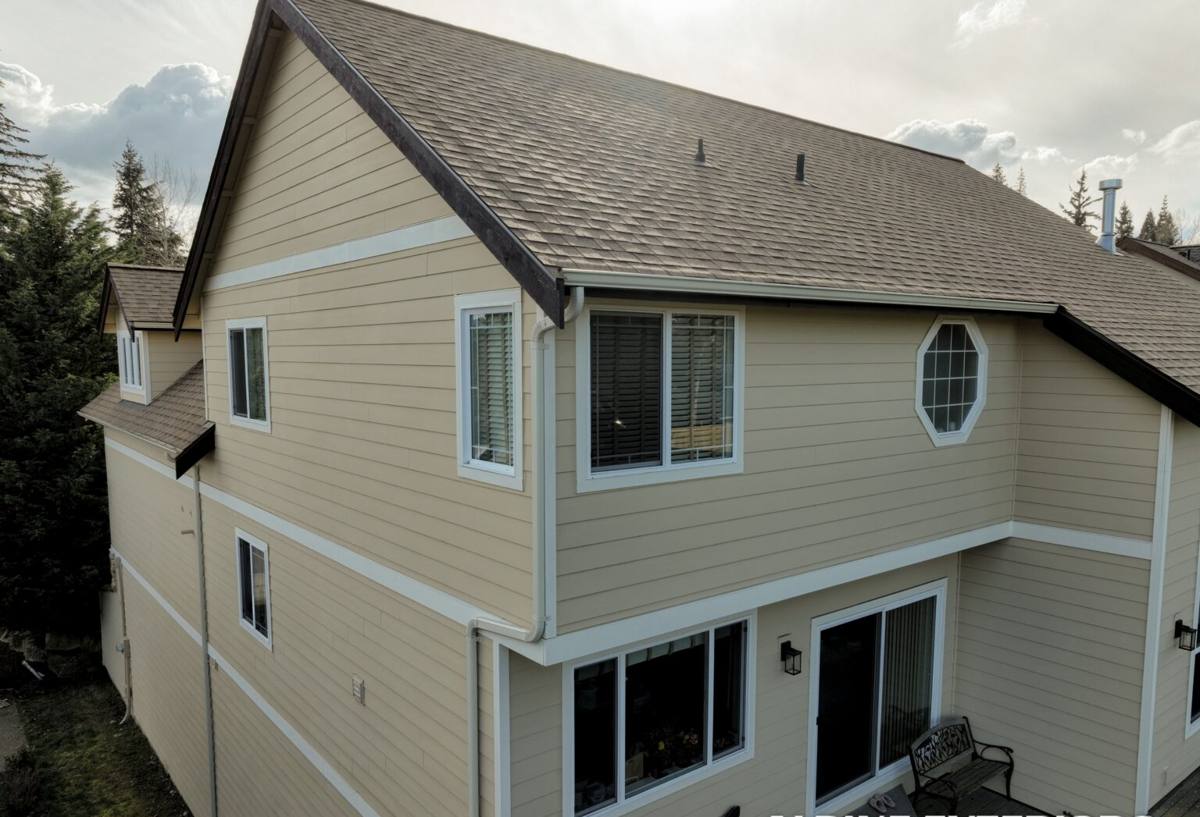
What Clearwater's Climate Actually Does to Windows
Pinellas County homes deal with a specific combination of stressors, and Island Estates gets a concentrated dose of most of them because of its waterfront exposure:
- Salt air corrosion — metal hardware, screen frames, and lesser-grade aluminum components corrode faster near open water. Hinges stick, latches seize, and finishes chalk or pit years ahead of schedule.
- Year-round UV exposure — Florida sun breaks down vinyl, degrades seals, and fades interior finishes near windows. Cheaper vinyl frames can warp or yellow well before their rated lifespan.
- Wind-driven rain — even outside a named storm, sideways rain during summer squalls tests flashing and seals. A poorly flashed window will show water intrusion around the frame long before the glass itself fails.
- Hurricane-force wind loads — waterfront lots have less windbreak from trees or neighboring structures, so wind pressure on the building envelope can be higher than on a comparable inland lot.
- Humidity — constant moisture in the air accelerates wood rot in older frames and promotes mildew growth around poorly sealed units.
None of this means Island Estates homes need something exotic. It means the products and installation details that are "good enough" a few miles inland aren't always good enough on the water, and it's worth being deliberate about both.
Choosing the Right Window for a Coastal Property
Impact-Rated vs. Standard Windows
For a waterfront home in Pinellas County, impact-rated windows are usually the right call, and in many cases the applicable wind zone and building code will require either impact glass or an approved protective system for openings anyway. Impact windows use laminated glass with an interior plastic interlayer, so the glass can crack under debris impact without opening a hole in the building envelope. That matters twice: once during a storm, and every day in between, because the same laminated construction also cuts down on outside noise and UV transmission.
Non-impact windows paired with code-approved shutters are a legitimate alternative in some cases, but they add a step homeowners have to manage — someone has to physically deploy shutters before a storm. For a lot of Island Estates homeowners, especially anyone who travels or owns a part-time residence, impact glass that doesn't require last-minute action is the more practical choice.
Frame Material
We look at three main frame materials for this kind of coastal replacement job:
| Frame Material | Coastal Performance | Trade-Offs |
|---|---|---|
| Vinyl (impact-rated) | Won't corrode, good insulation value, widely available in impact configurations | Can expand/contract with heat; quality varies a lot by manufacturer |
| Aluminum | Strong, slim sightlines, common on Florida coastal construction | Needs a good marine-grade finish near saltwater or hardware and finish corrode faster |
| Fiberglass | Very stable in heat and humidity, holds paint well, low maintenance | Higher upfront cost than vinyl |
We don't push one material as universally "best" — the right choice depends on the home's architecture, budget, and how close it sits to open water. What we do insist on is impact-rated glazing and marine-grade hardware for anything installed on a waterfront lot, because standard-grade hardware is where corrosion problems show up first.
What a Correct Window Replacement Job Actually Involves
The window unit itself is maybe half the job. The other half — the part that determines whether the installation actually performs in a storm — is how it gets installed. A rushed or careless install can make even a good window underperform, and it's the number one cause of leaks and failures we get called out to fix on other contractors' work.
A correct installation includes:
- Removing the old unit down to the rough opening and inspecting the framing and sill for rot, moisture damage, or prior water intrusion before anything new goes in
- Correcting any substrate damage found — installing a new window into a compromised opening just hides the problem, it doesn't fix it
- Installing flashing and weatherproofing membrane in the correct sequence (not just caulk around the edges) so water sheds outward, not into the wall cavity
- Setting the window plumb, level, and square, with proper shimming so the frame isn't stressed and hardware operates smoothly for years
- Fastening to manufacturer and code-specified anchoring — this is what the wind rating actually depends on
- Sealing with marine-grade, UV-stable sealant rated for exterior coastal use
- Verifying operation, drainage (weep holes clear), and finish before calling the job done
Any one of these steps done poorly can undermine an otherwise good window. This is why we treat installation quality as the actual product, not the window itself.
Permits and Code Requirements in Pinellas County
Window replacement in Clearwater and unincorporated Pinellas County generally requires a building permit, and waterfront properties in flood zones may have additional requirements tied to elevation and the county's floodplain regulations. Wind load requirements are tied to the property's specific wind zone under the Florida Building Code, which for coastal Pinellas locations like Island Estates is typically at the higher end of what's required statewide.
Permitted work also means a county inspector signs off on the finished installation — that's a real, independent check that the job was done to code, not just a formality. We handle the permit application and schedule inspections as part of the job, and we're straightforward about it: if a contractor offers to skip the permit "to save time," that should be a red flag, not a selling point. Unpermitted window work can complicate insurance claims and resale down the road.
Our Process, Start to Finish
- On-site assessment — we look at existing window condition, framing, and any signs of past water intrusion, and talk through what the home actually needs versus what's optional
- Product recommendation — matched to the home's wind zone, exposure, and budget, with the trade-offs explained plainly
- Written estimate — clear scope, materials, and pricing, no vague allowances
- Permitting — we pull the permit and coordinate required inspections
- Installation — old units removed, openings inspected and corrected as needed, new units installed and flashed per the process above
- Final walkthrough and inspection — operation checked, site cleaned up, permit closed out
What Window Replacement Costs Depend On
We won't quote a number without seeing the job, but the main cost drivers on an Island Estates project are usually the same handful of factors:
| Factor | Why It Matters |
|---|---|
| Impact vs. non-impact glazing | Impact-rated units cost more upfront but reduce long-term storm-prep burden and often affect insurance premiums |
| Window size and configuration | Large picture windows, sliders, and custom shapes cost more than standard operable units |
| Frame material | Vinyl, aluminum, and fiberglass sit at different price points, as shown above |
| Number of openings | Whole-house replacement typically has a lower per-unit cost than a handful of one-off replacements |
| Condition of the rough opening | Rot or prior water damage found during removal adds repair scope before the new window can go in |
| Permit and inspection requirements | Varies by scope and whether the property is in a flood zone |
Signs Your Island Estates Home Needs Window Replacement Now
Not every window problem means full replacement, but on a waterfront property these signs usually mean it's time to have someone take a real look:
- Frames that feel soft, spongy, or show visible rot, especially at the bottom corners
- Hardware that's corroded, seized, or won't latch securely — a security and storm-readiness issue, not just an inconvenience
- Fogging or moisture between panes on double-glazed units, meaning the seal has failed
- Visible daylight or a noticeable draft around a closed window
- Water staining on the wall or sill below a window after rain
- Windows that predate current wind-load requirements and have no impact rating or approved protection
- Difficulty opening, closing, or locking windows that used to operate smoothly
If you're seeing more than one of these, it's worth getting an assessment before the next storm season rather than after damage shows up.
Why Local, Island Estates Experience Matters
A window installer who mostly works inland subdivisions doesn't necessarily think about salt air corrosion, flood zone permitting, or the wind exposure difference on an open waterfront lot — because most of their jobs don't require it. A crew that regularly works Island Estates and similar Clearwater waterfront neighborhoods already knows which hardware finishes hold up, what the county expects on permit applications for flood-zone properties, and how to sequence flashing so it actually sheds wind-driven rain instead of trapping it.
That familiarity shows up in fewer surprises during the job and fewer callbacks after it. It also means we're not learning coastal installation lessons on your house — we've already applied them on similar homes nearby.
If you're weighing whether it's time to replace your windows, or you just want a straight answer about what your home actually needs, we're happy to take a look. Reach out for a free, no-pressure estimate using the form below.