 Clearwater Roofing
 Board & Batten Siding Built for Seminole's Coastal Climate
Board and batten siding — wide vertical panels with narrower battens covering the seams — has become one of the most requested looks for homes in Seminole and the surrounding Pinellas County communities. It reads as clean, modern, and a little coastal without looking like every other house on the block. But the look only holds up if the material underneath it is built for what Seminole actually deals with year-round: hurricane-force wind events, intense UV exposure twelve months a year, wind-driven rain that gets pushed sideways into wall assemblies, and salt-laden air rolling in off the Gulf and Tampa Bay. We install James Hardie fiber cement exclusively, and on a vertical board and batten profile, the reasons why matter even more than they do on standard lap siding.
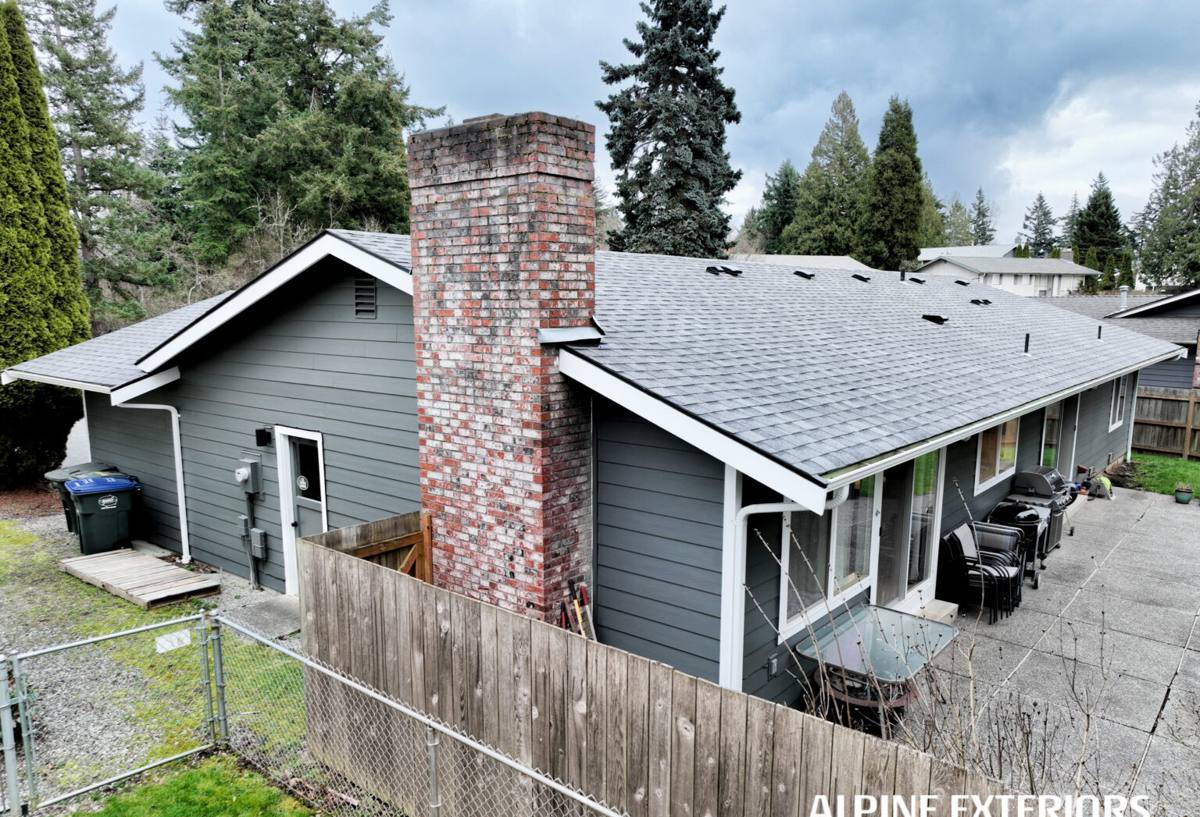
What Seminole Homes Need From This Siding
Board and batten has more seams and more exposed batten edges than horizontal lap siding, which means more places for water to find a way in if the product or the installation is wrong. In a climate like Pinellas County's, that's not a small detail.
Wind
Seminole sits in a wind-borne debris region, and vertical siding panels catch more sustained wind load across a taller, uninterrupted surface than narrow lap boards do. Fastening schedule and panel engineering both need to account for that, not just look right from the street.
UV
Vertical battens sit proud of the wall plane, so they take direct sun on multiple faces throughout the day. Paint-grade or unfinished materials chalk, fade, and check faster under that kind of constant exposure. A factory-cured finish designed for UV resistance matters more here than it does on a shaded wall.
Wind-driven rain
During tropical systems, rain doesn't fall straight down — it drives sideways into vertical seams and batten joints. Every batten-to-panel gap is a potential water path if it isn't detailed correctly behind the surface.
Salt air
Even set back from the immediate coastline, homes in this part of Pinellas County get regular salt exposure carried on Gulf breezes. Fasteners, trim, and the siding substrate itself all need to tolerate that without corroding or breaking down over time.
Why We Only Install James Hardie for This Look
Board and batten is available in several materials — vinyl, engineered wood like LP SmartSide, primed wood species, and fiber cement. We've made a standing decision to install James Hardie fiber cement only, and on this particular profile the reasoning is straightforward.
James Hardie's vertical siding system (HardiePanel vertical siding paired with HardieTrim battens) is fiber cement — a non-combustible material engineered for climates like ours through Hardie's HZ10 product line, which is formulated for the humidity, moisture cycling, and storm exposure common to Gulf Coast Florida. It comes with a factory-applied ColorPlus finish, which is baked on and warrantied against fading and cracking under UV in a way field-applied paint on wood or vinyl color layers simply isn't. Vinyl board and batten can warp or soften under sustained heat and doesn't hold up structurally the way fiber cement does in wind events. Engineered wood products carry moisture-sensitivity requirements at every cut edge and joint — miss one on a batten profile with dozens of seams, and you've created a maintenance liability. Fiber cement doesn't have that same edge-sealing dependency, and it doesn't rot, swell, or attract wood-boring insects.
None of this means other materials are junk — plenty of them perform fine in the right application. It means that for a Seminole home taking on hurricane wind, constant UV, and salt air on a vertical, seam-heavy profile, we don't think the trade-offs are worth it, and we won't put our name on an install we're not confident will hold up.
Material Comparison for Board & Batten in This Climate
| Material | UV / Fade Resistance | Moisture Behavior | Wind Performance | Typical Maintenance |
|---|---|---|---|---|
| James Hardie fiber cement | Factory ColorPlus finish, warrantied | Non-combustible, engineered for humid climates | Engineered fastening, storm-rated systems | Occasional wash, repaint on your schedule, not a repair schedule |
| Vinyl board & batten | Fades and can become brittle under sustained heat | Water can travel behind panels if not lapped correctly | Lower wind resistance, can deform/blow off in gusts | Low, but replacement (not repair) when damaged |
| LP SmartSide / engineered wood | Requires field-applied finish maintenance | Cut edges and joints need consistent sealing | Good when installed to spec | Regular caulk/paint inspection at seams |
| Primed wood/cedar | Fades, needs repainting on a fixed cycle | Prone to swelling, rot, insect entry if unsealed | Moderate; depends on species and thickness | Highest — regular repainting and edge sealing |
What a Correct Installation Involves
Board and batten looks simple from the street, but the assembly behind it is what determines whether it lasts 30 years or starts causing problems in five. On every job we install:
- A properly detailed weather-resistive barrier and flashing plan behind the panels, not just around openings
- Panel and batten fastening per Hardie's published pattern for our wind exposure, not a generic schedule
- Correct clearance at the bottom of the wall — siding held up off decks, patios, and grade so water doesn't wick into the material
- Sealed and flashed joints at every horizontal seam, since board and batten runs vertical and needs deliberate horizontal joint treatment
- Stainless or coated fasteners rated for coastal exposure, not standard hardware that corrodes in salt air
- Careful trim and corner detailing so the batten reveal stays straight and consistent across the whole elevation
Skipping any one of these doesn't usually show up right away — it shows up two or three years later as a stain, a soft spot, or a batten that's pulled away from the wall after a storm season.
Our Process for Seminole Homeowners
1. On-site assessment
We look at your existing siding or substrate, your home's wall assembly, and exposure — how much direct sun, wind, and driving rain that particular elevation actually takes.
2. Product and layout plan
We spec the HardiePanel and HardieTrim configuration, batten spacing, and ColorPlus finish for your home, and walk you through it before any work starts.
3. Removal and prep
Old siding comes off, the substrate gets inspected for hidden damage, and the weather barrier and flashing get installed correctly before a single panel goes up.
4. Installation
Panels and battens go up to Hardie's fastening and clearance specs for our wind zone, with attention to straight reveals and clean corners.
5. Final walkthrough
We inspect every elevation with you before calling the job done, including seams, trim, and fastening.
Why It Matters That We Already Work in Seminole
Installation requirements aren't identical everywhere in Florida. A crew that regularly works Pinellas County jobs already understands the local wind exposure category, the way our humidity and rain patterns behave through the year, and how salt air factors into fastener and trim choices — details that get missed by a crew unfamiliar with this specific coastal environment. That local familiarity, paired with using one product system we know inside and out, is how we keep board and batten installations consistent from one Seminole home to the next.
Maintaining Board & Batten Siding in This Climate
- Rinse the exterior periodically to clear salt residue and pollen buildup, especially after long dry stretches
- Walk the perimeter after major storms and check for loose trim, gapped seams, or debris impact damage
- Keep gutters clear so water isn't overflowing directly onto siding runs
- Repaint on your own timeline rather than a forced schedule — ColorPlus finish is warrantied against fading, so touch-ups are about your preference, not upkeep necessity
- Have caulking at trim and penetration points checked every couple of years, even on fiber cement systems
What This Typically Costs
Board and batten pricing depends on the size of the home, how much tear-off and substrate repair is needed, the amount of trim and corner detail in the design, and the ColorPlus finish selected. It generally runs in a similar range to other high-quality fiber cement siding profiles, sometimes slightly higher than plain lap siding because of the additional batten material and labor for a consistent reveal. We don't quote a number without seeing the home — every Seminole property has a different amount of existing damage, wall complexity, and elevation exposure that factors into an honest estimate.
If you're considering board and batten siding for your Seminole home, we're happy to walk your property, look at what you're working with, and give you a straightforward, no-pressure estimate. Use the form below to get started.