 Clearwater Roofing
 Roof Repair in Sunset Point: Why Local Conditions Matter
Homes in the Sunset Point area of Clearwater sit close enough to the Gulf and Old Tampa Bay that salt-laden air, near-constant UV exposure, and wind-driven rain are simply part of owning a roof here. None of that is unique to one street or subdivision, but it does mean roofs in this part of Pinellas County age differently than roofs inland or up north. A repair that would hold up fine in a drier, calmer climate can fail here within a season or two if it's not done with these conditions in mind.
Roof repair sounds like a simple category of work, and in theory it is: find the damage, fix it, make sure water can't get back in. In practice, doing that correctly on a Clearwater roof means understanding how heat, humidity, wind, and salt exposure interact with roofing materials over time. That's the difference between a repair that lasts and one that becomes a callback.
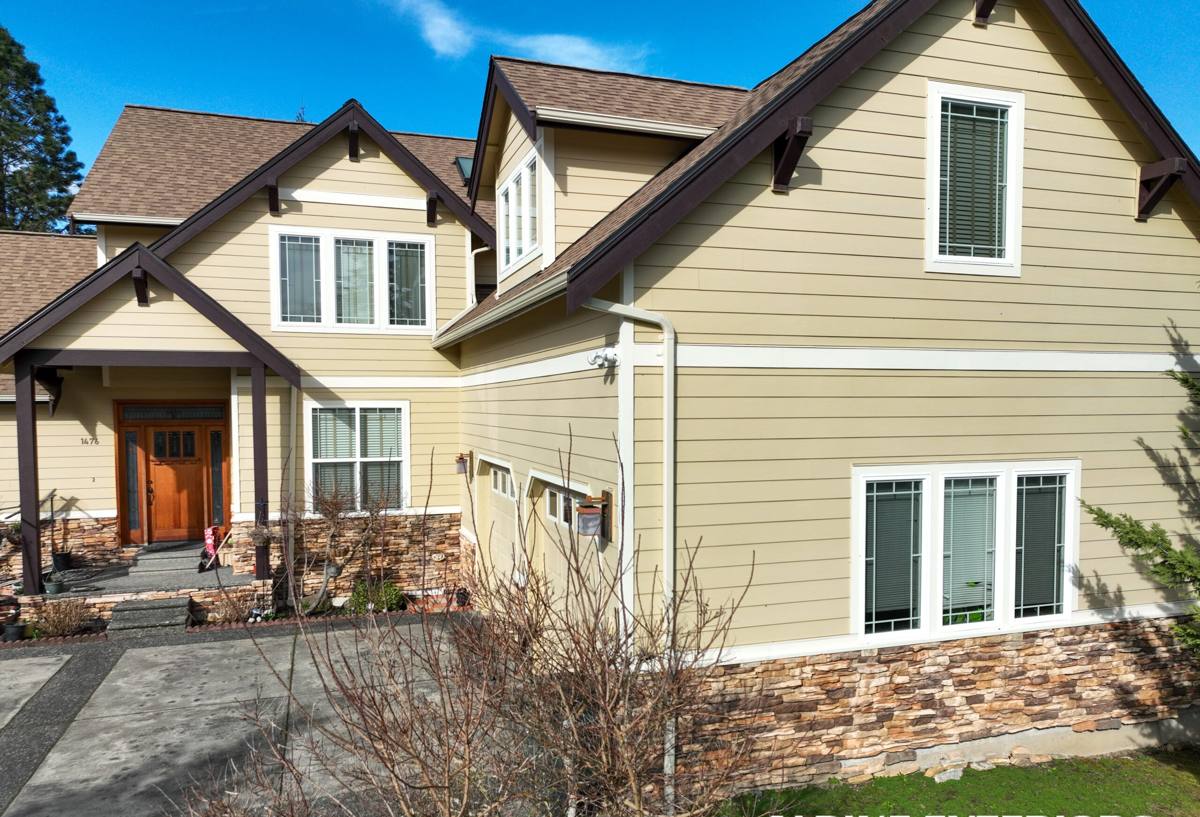
What Clearwater's Climate Does to a Roof
A few regional realities shape almost every repair decision we make on homes in and around Sunset Point:
- Hurricane-force wind events: Even roofs that never take a direct hit from a named storm see repeated high-wind events over their life, which loosens fasteners, lifts shingle edges, and stresses flashing seams.
- Intense, year-round UV: Florida sun breaks down asphalt shingle granules and dries out sealants faster than in most of the country, shortening the effective life of materials rated for milder climates.
- Wind-driven rain: Rain here rarely falls straight down. Wind pushes it sideways and up under laps, ridge caps, and flashing, so a repair has to account for water intrusion from angles a calm-weather roof never has to handle.
- Salt air: Proximity to the coast accelerates corrosion on exposed metal fasteners, flashing, and vent stacks, which is a common source of small leaks that get blamed on "old age" when it's really corrosion.
None of this means a Sunset Point roof is doomed to constant repairs. It means the repair has to be built for these conditions specifically, not treated as generic patchwork.
Common Roof Damage We See in This Area
Wind and Storm-Related Damage
Lifted or missing shingles, creased ridge caps, and separated flashing are the most frequent calls we get after a windy stretch or a passing storm. Wind doesn't have to be hurricane-strength to cause this kind of damage — sustained gusts over time gradually work fasteners loose, and one bad afternoon can finish the job.
Sun and Age Damage
Granule loss, brittle or cracked shingles, and dried-out pipe boot seals are UV damage, plain and simple. This shows up as small, isolated leaks around vents and skylights well before the rest of the roof looks obviously worn.
Flashing and Penetration Leaks
Chimneys, skylights, vent stacks, and wall-to-roof transitions are where most leaks actually originate, not in the open field of the roof. Flashing failures are common because these are the joints doing the most work and the ones most exposed to wind-driven rain.
Ponding and Drainage Issues
On lower-slope sections and additions, poor drainage lets water sit longer than it should, which accelerates membrane and shingle breakdown and is a common precursor to interior staining.
What a Correct Roof Repair Actually Involves
A roof repair that's done right isn't just about covering the visible damage. It requires:
- Finding the actual source — water often travels along the underlayment before it shows up as a stain, so the entry point can be several feet from the visible damage.
- Checking the decking underneath — soft, delaminated, or water-stained decking has to be addressed, or the new repair sits on a compromised base.
- Matching materials correctly — shingle color, profile, and manufacturer compatibility matter for both appearance and how the repair performs long-term.
- Re-sealing and re-flashing properly — using materials and techniques rated for coastal wind and UV exposure, not just whatever seals on the surface.
- Verifying the fix — a repair isn't done until we've confirmed water won't re-enter through the same path or a related one nearby.
Skipping any of these steps is how a "repaired" roof leaks again in the next storm season.
Our Repair Process
1. Inspection and Diagnosis
We start with a full inspection, not just a look at the spot you called about. Roofs in this area often have more than one weak point, especially after a storm, and it's cheaper and safer to address them together than to make repeat trips.
2. Honest Assessment
We'll tell you plainly whether what you need is a repair or whether the roof is old enough or damaged enough that repair is a short-term fix delaying a bigger expense. We'd rather lose a small job than have you pay for a repair that doesn't solve the underlying problem.
3. The Repair Itself
We remove and replace damaged materials down to sound decking, match shingle or roofing material as closely as possible, and rebuild flashing and sealant points to current standards — not just patch over what failed.
4. Cleanup and Walkthrough
We clear debris and nails from the property and walk you through what was done and why, including anything worth keeping an eye on going forward.
Repair vs. Replacement: How We Decide
| Factor | Leans Toward Repair | Leans Toward Replacement |
|---|---|---|
| Roof age | Under 10-15 years, or recently replaced | Near or past expected material lifespan |
| Extent of damage | Localized to one or two areas | Widespread across multiple slopes |
| Decking condition | Solid, no rot or soft spots | Multiple areas of water-damaged decking |
| Shingle/material condition | Still flexible, granules intact overall | Brittle, curling, or bald in many areas |
| Storm history | Isolated recent damage | Cumulative damage from repeated events |
This table is a starting point, not a diagnosis. Roofs rarely fall cleanly into one column, which is why an in-person inspection matters more than a rule of thumb.
Materials and Cost Factors
Most homes in the Sunset Point area are roofed in asphalt shingle, with some tile and metal roofs mixed in. Repair cost and approach vary by material:
| Roof Type | Repair Considerations |
|---|---|
| Asphalt shingle | Most common and generally the most straightforward to repair; matching shingle age/color can be a factor on older roofs |
| Concrete or clay tile | Repairs require care to avoid cracking surrounding tile; underlayment failure is often the real issue even when tile looks intact |
| Metal | Panel and fastener corrosion from salt air is the main concern; seam and fastener repairs need corrosion-resistant hardware |
Beyond material, cost is driven mainly by the extent of decking replacement needed, roof pitch and access, and whether flashing around chimneys or skylights needs to be rebuilt rather than resealed. We give a firm, written estimate before any work starts — no vague ranges after the fact.
Signs You Need a Roof Repair Soon
- Water stains on ceilings or interior walls, especially after wind-driven rain
- Missing, curled, or cracked shingles visible from the ground
- Granules collecting in gutters or at downspout runoff points
- Visible daylight or gaps around vent pipes, chimneys, or skylights from the attic
- Soft or spongy spots when the roof is walked
- A musty smell in the attic, which often means moisture is already present
- Any roof damage after a named storm, even if no leak has shown up yet
That last point matters more than homeowners often realize. Wind can lift a shingle or compromise a flashing seal without causing an immediate leak. Getting it checked before the next rain event is far cheaper than waiting for the interior damage to show up.
Why Hiring a Crew That Already Works Sunset Point Matters
Roof repair isn't just a checklist — it's judgment calls about what to trust, what to replace, and how a specific roof will hold up against the next storm season. A crew that regularly works in Clearwater and elsewhere in Pinellas County has seen how local roofs actually fail over time, not just how manufacturers say they should perform. That experience shows up in small decisions: which flashing detail to rebuild instead of just resealing, how much decking to replace around a soft spot instead of patching the minimum, and which materials genuinely hold up to salt air and UV instead of just looking good on install day.
It also means faster response after storms, when demand for roofing work spikes across the county and homeowners who've never worked with a local crew before end up waiting longest.
Insurance and Storm Damage
If your repair is related to storm damage, documentation matters. We provide clear, written assessments of damage and cause that you can use when filing a claim, and we're straightforward about what is and isn't storm-related — inflating a claim isn't something we'll do, and a reputable roofer shouldn't ask you to. If you're unsure whether damage qualifies, it's worth having it inspected before you file, not after.
If you're dealing with a leak, storm damage, or just want a second opinion on your roof's condition, we're happy to take a look. Request a free, no-pressure estimate using the form below and we'll get back to you with an honest assessment.