 Clearwater Roofing
 Window Replacement Built for Downtown Clearwater's Older Housing Stock
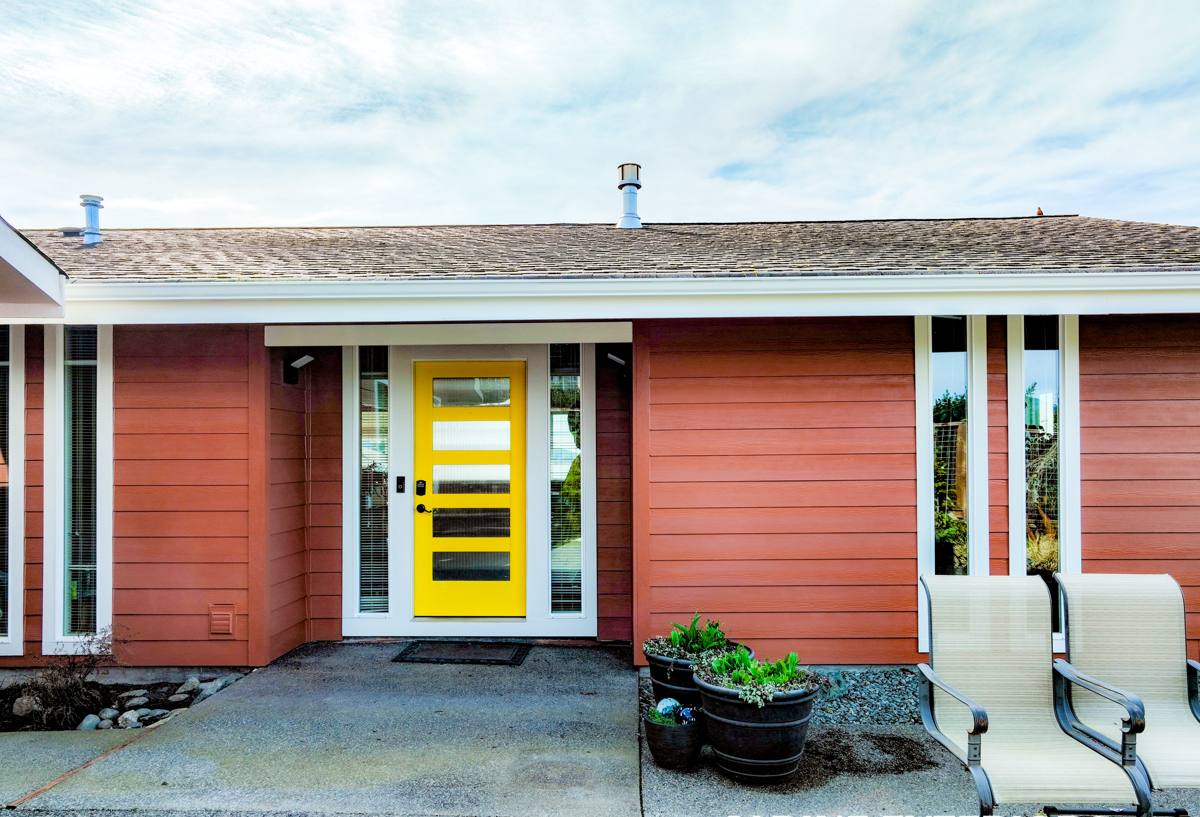
Downtown Clearwater is a mix of mid-century bungalows, updated cottages, and newer infill homes and condos, many sitting just blocks from the water. That mix matters when it comes to windows. A house built in the 1960s or 70s still carrying its original single-pane aluminum frames behaves very differently than a home renovated ten years ago with vinyl double-hung units. Both need different things from a window replacement job, and a contractor who treats every home the same way is going to miss problems — or create new ones.
We work on both ends of that spectrum regularly. That means we're used to opening up an old aluminum frame and finding rot in the wood buck behind it, and we're also used to matching sightlines and trim on a home where someone already replaced half the windows and ran out of budget. Knowing the neighborhood's building stock isn't a marketing line — it changes how we scope the job before we ever quote it.
What Clearwater's Climate Does to Windows Over Time
Pinellas County sits on a peninsula, and Downtown Clearwater gets the full weather package: hurricane-force wind events, sustained wind-driven rain during tropical systems, intense UV exposure nearly every day of the year, and salt-laden air that never really lets up. Each of those does something specific to a window assembly.
- Wind and pressure cycling flexes frames and glass repeatedly, which over years works seals loose even without a direct storm hit.
- Wind-driven rain tests flashing and sealant details far harder than a normal rainstorm — water gets pushed sideways and upward, not just down.
- UV exposure breaks down vinyl, weatherstripping, and low-grade sealants faster here than in most of the country, leading to chalking, brittleness, and premature seal failure.
- Salt air corrodes exposed aluminum hardware, screws, and fasteners, especially on homes within a mile or two of the water — which describes most of Downtown Clearwater.
None of this means windows fail overnight. It means the clock on a window's useful life runs faster here than it would inland, and installation details that are optional in a drier, calmer climate are not optional on the Gulf coast.
Signs a Downtown Clearwater Home Needs New Windows
Homeowners usually notice one of these before they call, and it's rarely just one of them by the time we're on site:
- Fogging or a permanent haze between the panes of double-pane glass — the seal has failed and the insulating gas is gone.
- Windows that are difficult to open, close, or lock, often from swollen wood frames or corroded aluminum tracks.
- Visible daylight or a draft around the frame when the window is fully closed.
- Soft or discolored wood at the sill or frame corners, a sign moisture has been getting behind the window for a while.
- A noticeable jump in cooling costs with no other explanation, which often points to failed seals or single-pane glass working overtime against the Florida sun.
- Rattling or whistling during windy weather, which usually means the frame is no longer sealing tightly against the structure.
Any one of these is worth a look. Several together usually mean the windows are past the point where caulk and weatherstripping will buy meaningful time.
What a Correct Window Replacement Job Actually Involves
Swapping a window is more than unscrewing the old one and screwing in the new one. On a Downtown Clearwater home, the parts that actually determine whether a window performs in year eight or year eighteen are mostly invisible once the job is done:
The rough opening
Every opening gets inspected for rot, out-of-square framing, and existing water damage before a new unit goes in. Installing a new window into a compromised opening just seals the problem behind new trim.
Flashing and moisture management
Proper flashing tape and sill pans direct any water that gets past the exterior seal back outside instead of into the wall cavity. This step matters more here than almost anywhere else in the country, given how much wind-driven rain the area sees.
Fastening and anchoring
Windows have to be anchored per the manufacturer's installation instructions and Florida Building Code, not just "however many screws seem enough." Under-fastened windows are a common cause of failure during high wind events, and it's not something you can see from inside the house afterward.
Sealant selection
Not every caulk or sealant holds up to constant UV and salt air. We use products rated for exterior, coastal exposure — a detail that's cheap to get right during installation and expensive to fix later.
Interior and exterior finish work
Trim, drywall returns, and exterior stucco or siding tie-in should look like the window was always there. This is where a rushed job shows.
Impact-Rated vs. Standard Windows: What We Recommend
Impact-rated (impact-resistant) windows use laminated glass that stays intact under wind-borne debris impact, which is a meaningfully different product than standard glass with a good frame. Whether they're required for your project depends on your specific location, structure, and the scope of work — but for a Downtown Clearwater home, we generally recommend them even when they're not strictly mandatory.
| Factor | Impact-Rated Windows | Standard Windows (with shutters) |
|---|---|---|
| Storm protection | Built into the glass itself, always in place | Only effective if shutters are deployed before the storm |
| Daily UV/noise performance | Laminated glass also cuts UV transmission and outside noise | No added benefit outside of storm events |
| Upfront cost | Higher per-window cost | Lower window cost, but shutters add their own expense |
| Insurance impact | Can qualify for wind mitigation credits, worth confirming with your carrier | Credit depends on the type and rating of shutters installed |
| Maintenance | No separate hardware to store, maintain, or deploy | Shutters need storage, upkeep, and someone home to install them |
Standard windows paired with code-compliant shutters are a legitimate, lower-cost path and we install both. We just want homeowners to walk in understanding the trade-off rather than assuming "hurricane windows" and "regular windows with shutters" offer the same convenience — they don't.
Our Process, Start to Finish
- On-site assessment. We look at each opening individually — framing condition, current window type, and any signs of past water intrusion.
- Honest quote. You get a written scope covering product, install method, and what happens if we find rot or framing issues once we open things up.
- Product selection. We walk through impact-rated versus standard options, frame materials, and glass packages based on your budget and the specific exposure of your home.
- Permitting. We handle the permit application with the City of Clearwater and coordinate the required inspections — this isn't optional on window replacement work and skipping it creates real problems at resale.
- Installation. Old units come out, openings are inspected and repaired as needed, new units go in with proper flashing, anchoring, and sealant.
- Finish and walkthrough. Interior and exterior finish work is completed, and we walk the job with you before calling it done.
- Final inspection. The city signs off, and you get documentation for your records and insurance.
Permitting and Code in Pinellas County
Window replacement in Clearwater requires a permit, and inspections are tied to Florida Building Code wind load and impact standards for our coastal wind zone. This isn't bureaucratic overhead — it's the paper trail that protects you if there's ever an insurance claim or if you sell the home and a buyer's inspector asks whether the windows were permitted. A contractor who offers to "skip the permit to save time" is asking you to take on liability that should sit with the contractor, not you.
Choosing a Contractor for This Job in Downtown Clearwater
Window replacement is easy to quote cheap and hard to install right. Before hiring anyone for a Downtown Clearwater home, it's worth confirming:
- They're licensed to perform this work in Florida and can show proof of insurance without hesitation.
- They pull permits themselves rather than asking you to pull an owner-builder permit.
- They can explain, specifically, how they'll flash and anchor the openings — not just what brand of window they sell.
- They give you a written product spec, including glass package and impact rating if applicable, not a vague verbal promise.
- They're upfront about what happens if rot or framing damage is found once the old windows come out.
- They have experience with older Downtown Clearwater homes specifically, not just new-construction installs.
A crew that already works this neighborhood knows what's usually behind a 1960s aluminum frame, what the city's inspectors look for, and how to keep a job moving without surprises turning into change-order fights.
Get a Straightforward Estimate
If your windows are original, fogged, hard to operate, or you're just planning ahead of the next storm season, we're happy to come take a look. The estimate is free, there's no pressure, and you'll get a clear explanation of what your home actually needs — not a generic sales pitch. Fill out the form below to get started.