 Clearwater Roofing
 Oldsmar's Climate Is Hard on Siding — Here's Why
Oldsmar sits along Old Tampa Bay in Pinellas County, which means homes here take a beating from more than just summer humidity. Wind-driven rain off the bay finds every seam, gap, and fastener hole in a siding system. Intense, nearly year-round UV breaks down caulk, coatings, and lesser materials faster than homeowners expect. Add the periodic threat of hurricane-force winds and the slow, steady presence of salt in the air, and you have a climate that punishes any siding job that wasn't done exactly right the first time.
None of this means siding fails on a set schedule. It means small installation mistakes — a missing piece of flashing, caulk used where a proper joint should be, panels nailed too tight — turn into real problems years sooner in Oldsmar than they would in a drier, calmer climate. Repair work here isn't just cosmetic. It's about correcting the parts of a wall system that were never built to handle Pinellas County weather in the first place.
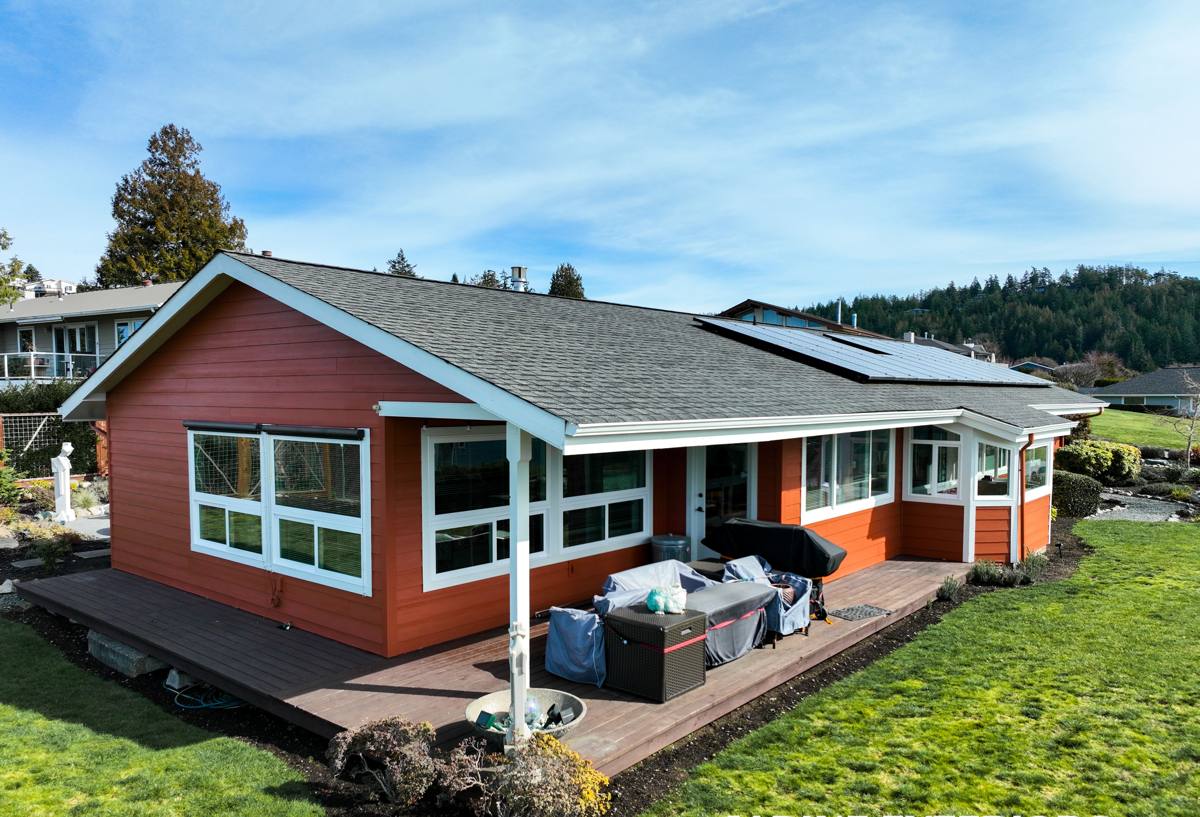
Signs Your Oldsmar Home Needs Siding Repair
Most siding problems show themselves in small ways long before they become expensive ones. Homeowners who catch these early save money and avoid interior damage.
- Soft or spongy spots when you press on a wall — usually a sign moisture has reached the sheathing behind the siding
- Cracked, bubbled, or peeling paint that keeps coming back in the same spot no matter how many times it's touched up
- Visible gaps at seams, corners, or around windows and doors where caulk has shrunk or failed
- Warped, buckled, or bowed panels, especially on walls that face prevailing wind and rain
- Streaking, staining, or a musty smell near baseboards on interior walls that share a wall with damaged siding
- Siding that flexes or feels loose when you push on it, suggesting failed or missing fasteners
- Visible impact damage from storm debris, lawn equipment, or tree limbs
Don't wait on small damage
A single cracked panel or open seam might seem minor, but in a climate with this much wind-driven rain, it's a direct path for water to reach wood framing and insulation. Left alone through even one rainy season, a small repair can turn into rot remediation. Catching it early is almost always the cheaper and less disruptive option.
What a Correct Siding Repair Actually Involves
Diagnosing the real cause, not just the visible damage
A patch over a symptom doesn't fix the problem. Before we touch a panel, we look at what's happening behind it — whether flashing is missing above a window, whether a butt joint was never properly sealed, or whether the original installation left gaps at penetrations for hose bibs, vents, or electrical fixtures. Repairing the visible crack without correcting the underlying water path just means the same repair again in a year or two.
Matching materials and finish
Because we work exclusively in James Hardie fiber cement, repairs on a Hardie-sided home can be matched in profile, texture, and ColorPlus factory finish so the repaired section doesn't stand out from the rest of the wall. On homes with other siding materials, matching existing product can be harder — colors fade unevenly over time, and discontinued profiles sometimes can't be matched at all. We'll always tell you honestly what's achievable before starting.
Getting the water management details right
Every repair we do reinstates proper flashing, correct fastener placement, and appropriate sealant only where sealant belongs — not as a substitute for flashing. This is the detail that separates a repair that lasts from one that fails again in the next wind-driven rain event.
Repair or Replace? How We Help You Decide
Not every damaged section needs a full re-side, and we won't sell you one you don't need. But there are situations where repair is a temporary fix at best. Here's how we walk homeowners through that decision:
| Situation | Repair usually makes sense | Replacement usually makes sense |
|---|---|---|
| Damage extent | Isolated to one or two sections or elevations | Widespread across multiple walls |
| Underlying sheathing | Dry, solid wood behind the damaged siding | Soft, rotted, or water-stained sheathing found during inspection |
| Age of existing siding | Relatively recent, still has useful life left | Original siding is decades old and near the end of its service life |
| Material match | Product and color can be matched closely | Product discontinued or too faded to match acceptably |
| Cause of damage | Single event — impact, one failed seam, isolated flashing gap | Systemic issue — original installation lacked proper water management throughout |
We'll give you a straight answer after inspecting the damage, including what we find once we open up the affected area — not before.
Why Every Repair We Do Uses James Hardie Fiber Cement
We install and repair with James Hardie fiber cement exclusively. We don't work with vinyl, LP SmartSide, Cemplank, Allura, or wood siding like primed spruce or cedar, and that standard applies to repair work just as much as full installations. Fiber cement is non-combustible, holds paint and its ColorPlus factory finish far longer than vinyl or engineered wood in direct Florida sun, and is manufactured in HZ product lines specifically engineered for high-humidity, high-moisture climate zones like ours.
That matters for repair work specifically. When we patch into an existing Hardie wall, we're tying new material into a system that's already built to handle Gulf Coast conditions — not introducing a different product with different expansion, moisture, and UV behavior into the same wall. It also means any repaired section carries the same manufacturer warranty backing as the surrounding siding, rather than a separate patch material with its own (often shorter) coverage.
If your home currently has vinyl, LP SmartSide, or another product and needs repair, we'll still give you an honest assessment of your options — including where a full transition to Hardie makes more long-term sense than continuing to repair a product with known moisture-sensitivity or maintenance trade-offs.
Our Siding Repair Process for Oldsmar Homeowners
- On-site inspection. We look at the damaged area and open it up where necessary to check the condition of the sheathing, framing, and existing flashing behind it.
- Honest scope and estimate. You get a clear explanation of what's actually wrong, what repair involves, and a written estimate before any work starts.
- Correcting the cause. We repair or replace flashing, moisture barrier, and fasteners as needed — not just the visible siding.
- Installing matched Hardie material. New panels or planks are cut, fastened, and finished to James Hardie's installation specifications, matched to your existing profile and ColorPlus color where possible.
- Final walkthrough. We review the completed repair with you before considering the job done.
Why It Matters That We Already Work in Oldsmar
A crew that regularly works in Oldsmar and the surrounding Clearwater and Pinellas County area already understands the wind exposure differences between a wall facing open water and one that's more sheltered, knows what local permitting for exterior work typically requires, and has seen how James Hardie products actually hold up in this specific climate over years, not just on a spec sheet. That local track record shows up in the details — the flashing choices, the fastener spacing, the decision to repair versus replace — that a crew unfamiliar with Gulf Coast conditions might get wrong.
It also means faster response. Storm damage and wind-driven rain issues don't wait for a convenient schedule, and a contractor already established in the area can typically get to an inspection sooner than one traveling in from farther away.
What Siding Repair Costs Depend On
We don't publish flat repair prices because the honest answer is that cost depends on what we find once the damaged area is opened up. These are the factors that actually drive the number:
| Cost factor | Why it matters |
|---|---|
| Extent of visible damage | One cracked panel costs far less to correct than damage spanning multiple sections or elevations |
| Condition of sheathing behind the siding | Rotted or water-damaged sheathing must be replaced before new siding goes back on, adding labor and material |
| Height and accessibility | Second-story or hard-to-reach areas require additional equipment and time |
| Flashing and water management corrections | Fixing the underlying cause, not just the surface, is what makes a repair last |
| Color and profile matching | Matching older or faded siding may take more care and, occasionally, more material than a straightforward patch |
We provide a written estimate after inspection, so you know the scope and the price before any work begins.
Keeping Your Siding in Good Shape After the Repair
Once a repair is complete, a little routine attention goes a long way in this climate. Rinse siding periodically to clear salt residue and airborne debris, especially after storms. Keep an eye on caulking around windows, doors, and trim, since it's usually the first thing to show wear from constant UV exposure. Trim back landscaping that holds moisture against the wall, and have any new soft spots, cracks, or discoloration looked at quickly rather than waiting for the next inspection. Fiber cement is a durable, low-maintenance material, but "low-maintenance" isn't "no-maintenance" — a yearly walk-around catches small issues while they're still small.
If you're seeing any of the warning signs above, or you just want an honest opinion on whether your Oldsmar home needs a repair or something more, we're happy to take a look. Fill out the form below for a free, no-pressure estimate.