 Clearwater Roofing
 Seminole Sits Right in Pinellas County's Toughest Weather Corridor
Seminole homes take a beating that inland Florida properties don't. Between the Gulf breezes rolling off the Intracoastal, intense sun overhead nearly every day of the year, and the very real threat of hurricane-force wind and wind-driven rain each storm season, exterior siding in this corner of Pinellas County works harder than it does almost anywhere else in the state. Add in the salt-laden air drifting inland from the Gulf, and you've got a combination that can shorten the life of the wrong siding material by years.
That's the backdrop for every siding decision a Seminole homeowner makes. It isn't just about picking a color or a style — it's about picking a material and an installation method that can actually stand up to what this climate throws at it, year after year, without constant maintenance or premature failure.
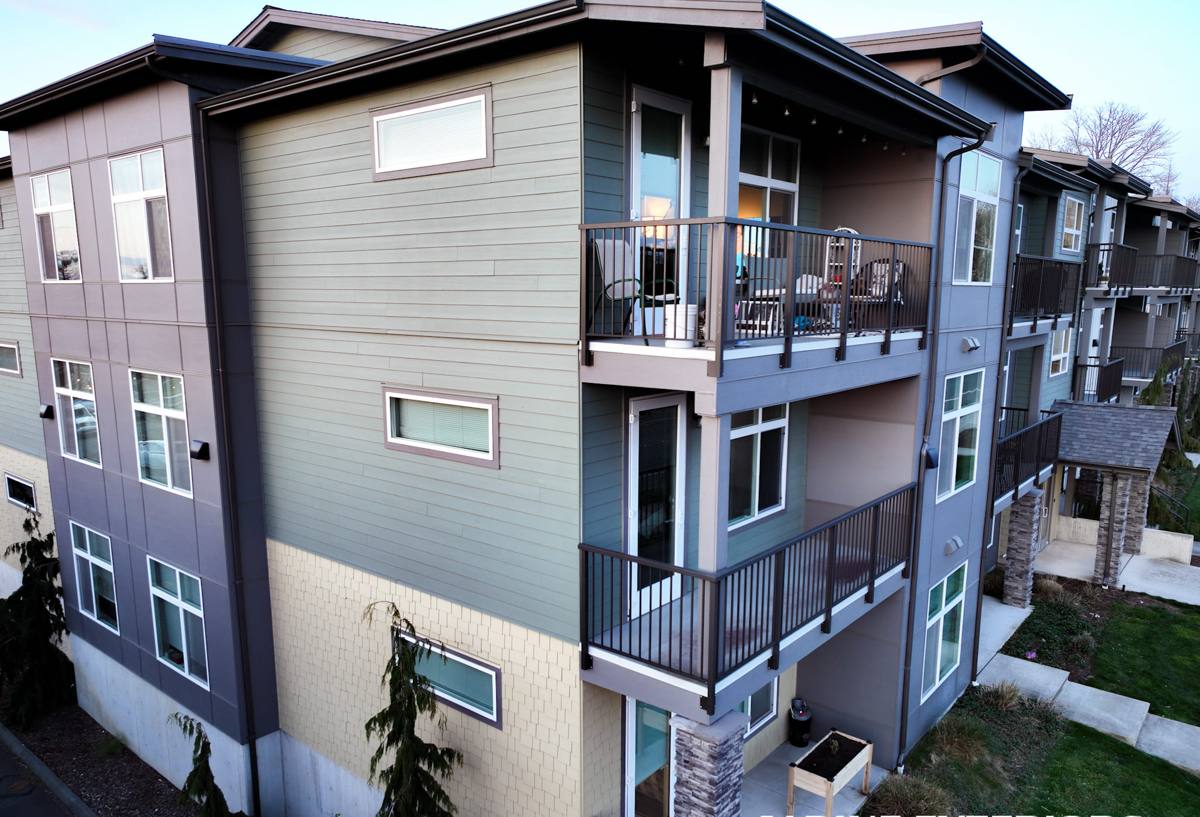
What Seminole's Climate Actually Does to Siding
Heat and UV
Direct sun exposure here is intense and nearly constant. Cheaper siding materials and field-applied paint finishes chalk, fade, and turn brittle faster under this kind of UV load than they would in a milder climate.
Humidity and Wind-Driven Rain
Humidity in this part of Florida stays high most of the year, and summer storms don't just drop rain straight down — wind pushes it sideways into wall assemblies. Any siding product or installation detail that isn't built to shed that moisture correctly becomes a path for water intrusion, rot, and mold behind the wall.
Salt Air
Close proximity to the Gulf and the Intracoastal waterway means airborne salt settles on exterior surfaces and works into seams, fasteners, and finishes over time. Materials and hardware that aren't rated for a coastal-adjacent environment corrode or degrade faster than their inland counterparts.
Wind Load
Hurricane season is a yearly reality here, not a hypothetical. Siding has to be fastened, flashed, and rated to hold up under sustained high wind — and to protect the wall assembly behind it even while wind-driven rain is testing every seam.
Why We Install Only James Hardie Fiber Cement Siding
We get asked fairly often why we don't offer vinyl, LP SmartSide, cedar, primed spruce, or other fiber cement brands like Cemplank or Allura. The honest answer is that we built our own standard around what actually holds up in this climate over the long run, and we'd rather turn down a job than install something we don't believe in.
Vinyl is affordable and low-maintenance in mild climates, but it can soften under sustained heat and is more prone to cracking or blowing off in high wind than a heavier, properly fastened fiber cement board. Wood products — cedar, primed spruce, and engineered wood like LP SmartSide — offer a warm, traditional look, but wood-based sidings need consistent upkeep to avoid rot in a humid, storm-prone county, and that maintenance burden is real and ongoing. Other fiber cement brands make a reasonable product, but we standardized on one manufacturer so we know the installation specs cold, the warranty terms are consistent, and every crew member is trained to the same details — which matters more in a coastal wind zone than almost anywhere else.
HardieZone HZ10: Engineered for This Exact Climate
James Hardie engineers its boards by climate zone, and this area falls in the HZ10 zone — the company's specification for hot, humid, high-moisture regions like Florida's Gulf Coast. HZ10 boards are formulated to resist moisture-related damage better than the HZ5 boards used in drier, colder parts of the country. That's a meaningful distinction: the siding on a Seminole home isn't a generic national product, it's engineered for the exact humidity and rain exposure this area sees.
ColorPlus Factory Finish
Hardie's ColorPlus finish is baked on at the factory under controlled conditions rather than field-painted on site. That finish is warrantied against fading and peeling far longer than a standard field-applied paint job would hold up under Florida sun, and it means touch-up work is rare when the installation is done correctly.
Non-Combustible, Long-Term Warranty
Fiber cement is non-combustible, which matters for insurance and safety alike, and James Hardie backs its siding with a strong, transferable limited warranty — a real asset if you sell the home down the line.
What a Correct Fiber Cement Installation Actually Involves
Fiber cement siding is only as good as the installation behind it. A beautiful board hung wrong will fail early, and the failure usually shows up as water damage you can't see until it's expensive.
Fastening and Clearances
James Hardie specifies exact fastener types, spacing, and penetration depth, along with minimum clearances from grade, roofing, and decks. Skipping these specs is one of the most common causes of early siding failure — and it's invisible until moisture starts working its way in.
Flashing and Moisture Management
Every window, door, and penetration needs proper flashing and a drainage plane behind the siding, so any moisture that does get past the surface has somewhere to go besides the wall sheathing. This is the detail that separates a siding job that lasts decades from one that causes hidden rot in five years — and it matters more in a wind-driven-rain climate than almost anywhere else.
Joints, Caulking, and Finish
Butt joints, corners, and trim need to be sealed and finished to Hardie's specification, using compatible sealants that won't break down under UV and salt air exposure. Cutting corners here shows up as cracked caulk lines and water staining within a year or two.
Fiber Cement vs. the Alternatives, by the Factors That Matter
| Factor | James Hardie Fiber Cement | Vinyl Siding | Wood / Engineered Wood |
|---|---|---|---|
| Wind resistance | Rated for high-wind coastal zones when installed to spec | Can crack or detach in sustained high wind | Depends heavily on fastening; prone to warping over time |
| Moisture behavior | Engineered HZ10 formulation for humid climates | Doesn't rot, but seams can let water behind panels | Vulnerable to rot and swelling without diligent upkeep |
| UV / fade resistance | Factory ColorPlus finish holds color long-term | Can fade and become brittle in intense sun | Paint or stain needs recoating on a regular cycle |
| Maintenance | Low — occasional wash and caulk check | Low, but repairs are visually obvious | Ongoing — repainting and moisture checks |
| Fire performance | Non-combustible | Combustible | Combustible |
None of these materials are bad in a vacuum — they're built for different priorities. Our standard is built around what performs best for a Pinellas County home that has to survive salt air, sun, and storm season without constant homeowner intervention.
Our Process for Seminole Siding Projects
Inspection and Estimate
We walk the exterior, check the current siding and the wall assembly behind it where it's accessible, and talk through what we're seeing before we quote anything. Every Seminole property has its own sun exposure, wind exposure, and existing condition, so the plan should reflect the actual house, not a generic package.
Prep and Installation
We remove and dispose of the old siding, address any sheathing or moisture issues found underneath before they get covered back up, and install the new Hardie boards to manufacturer spec — fastening, flashing, and clearances included, not skipped to save time.
Final Walkthrough
Before we consider a job done, we walk the finished exterior with you, point out anything worth knowing for long-term care, and make sure the finish and detailing meet the standard we'd want on our own home.
Here's what a homeowner should expect from a properly run siding project in this area:
- A written estimate that specifies material, HardieZone rating, and scope — not just a lump-sum price
- Removal and disposal of old siding, with a check of the sheathing underneath
- Fastening, flashing, and clearances installed to James Hardie's published specifications
- Factory-finished ColorPlus boards, not field-painted siding, unless you specifically choose primed product
- A clear explanation of warranty coverage — manufacturer versus workmanship
- A final walkthrough before the job is considered complete
Why a Crew That Already Works in Seminole Matters
Siding installation isn't one-size-fits-all, even within the same county. A crew that regularly works Seminole and the surrounding Clearwater area already understands the wind and moisture exposure typical of homes this close to the water, knows what local inspectors expect to see, and isn't learning coastal-climate detailing for the first time on your house. That kind of repetition is what turns manufacturer specifications into muscle memory on the job site.
It also means a faster response if something needs a follow-up look after a storm, and a crew that isn't guessing about permitting or code requirements specific to this part of Pinellas County.
Cost Factors for Seminole Siding Projects
Every home is different, so we won't quote a number without seeing the property, but the factors that most affect price are consistent:
- Total square footage and the complexity of the home's shape — dormers, gables, and trim all add labor
- Condition of the existing wall sheathing once the old siding is removed
- Board style — lap siding, shingle-style panels, or vertical siding — and trim detailing
- Height and access, including second stories and tight side yards
- Color and finish selection within the ColorPlus lineup
We'll walk through all of it during an on-site estimate, so you know exactly what you're paying for and why.
If your Seminole home's siding is showing its age, or you're planning ahead of the next storm season, we're glad to take a look and talk through honest options — no pressure, no obligation. Fill out the form below and we'll schedule a free estimate.