 Clearwater Roofing
 Why Clearwater Beach Decks Take More Punishment Than Inland Ones
A deck built a few blocks from the Gulf lives a harder life than one built ten miles inland. Homes on and near Clearwater Beach deal with salt-laden air that never really stops working on metal, hurricane-force wind gusts during storm season, wind-driven rain that gets pushed sideways into joints and ledger connections, and some of the most intense, nearly year-round UV exposure in the country. None of these factors is dramatic on its own, day to day. The problem is that they layer on top of each other, continuously, for the entire life of the structure.
That combination is why a deck built with inland assumptions — standard fasteners, minimal flashing, whatever decking board looks good at the store — tends to show corrosion streaks, loose railings, and cupped or faded boards years before a comparable deck built with coastal conditions in mind. Building correctly for Clearwater Beach isn't about upgrading everything to the most expensive option. It's about knowing which details actually matter in this environment and not cutting corners on those specific ones.
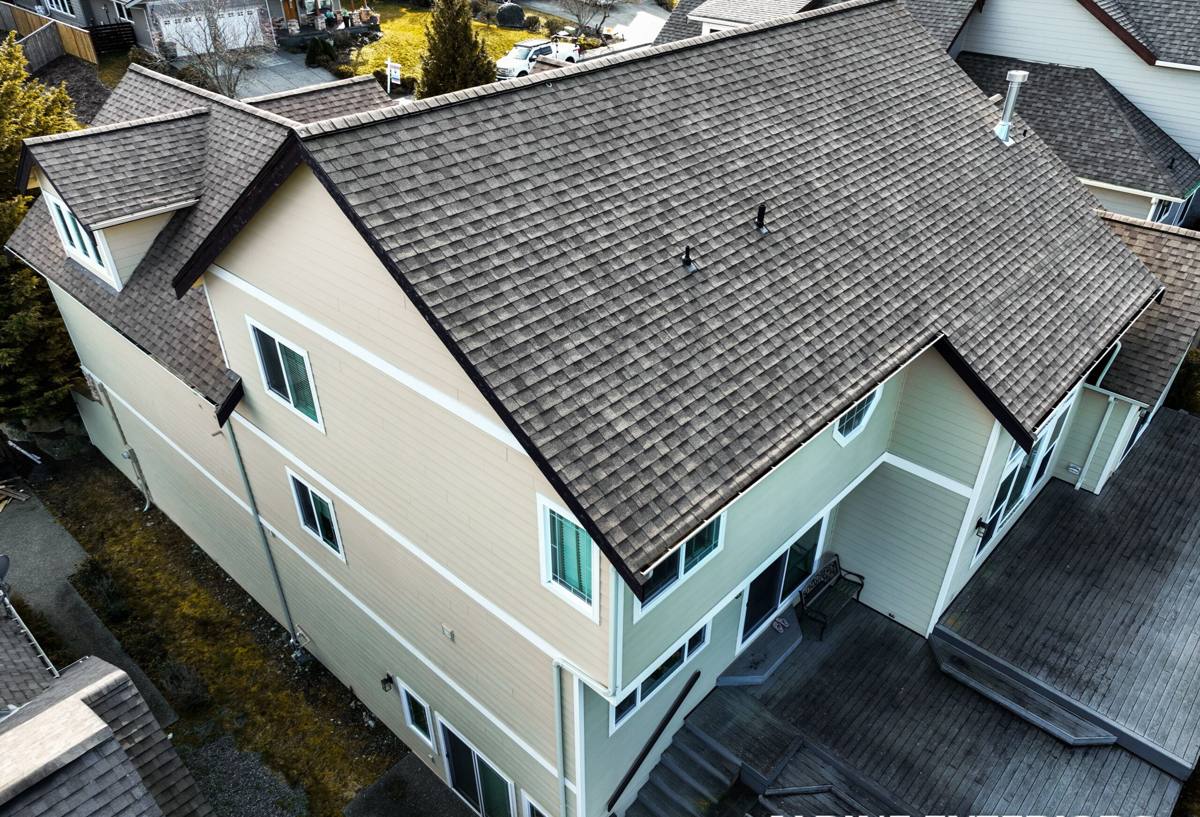
Material Choices That Actually Hold Up Near the Beach
There's no single "best" decking material for every home. The right choice depends on budget, how much upkeep you want to take on, and how close the deck sits to salt spray. Here's how the common options compare for a Clearwater Beach setting specifically.
| Material | Salt Air & Moisture Behavior | UV & Heat Behavior | Maintenance | Notes |
|---|---|---|---|---|
| Pressure-treated pine | Resists rot when properly treated and sealed; needs consistent upkeep | Grays and can check/splinter under constant sun without resealing | Annual cleaning and periodic sealing | Lowest upfront cost; most maintenance-dependent option |
| Tropical hardwoods | Naturally dense and moisture-resistant | Fades from rich tones to gray without regular oiling | Regular oiling to hold color; otherwise low rot risk | Higher material cost; heavy, durable boards |
| Composite decking | Doesn't rot; some entry-level composites can absorb moisture at cut edges if not capped | Fade-resistant formulas hold color well; can get noticeably hot underfoot in direct sun | Occasional washing; no sealing or staining | Look for fully capped boards for coastal use |
| PVC decking | Fully moisture-proof, no wood fiber to absorb salt spray | Very stable in sun and heat; some product lines run cooler underfoot than composite | Lowest maintenance of the group | Higher material cost; good fit for exposed, salt-heavy locations |
Whatever board you choose, the framing underneath is a separate decision. Even homes going with composite or PVC decking still need a structurally sound frame — and in this climate, that frame's fasteners and connectors matter more than the decking on top of it.
Heat Underfoot Is a Real Florida Consideration
It's easy to focus on rot resistance and forget about comfort. Dark composite and PVC boards can get hot enough in full Clearwater sun that bare feet notice it. If the deck faces west or gets no shade during peak afternoon hours, lighter color tones are worth discussing before you commit to a finish.
Structural Details That Matter Most in a Coastal Wind Zone
The visible decking gets most of the attention, but the connections you don't see are what determine whether a deck survives storm season intact. A few specifics we treat as non-negotiable on Clearwater Beach jobs:
Ledger Board Attachment and Flashing
Where a deck attaches to the house is the single most common point of water intrusion and structural failure on any deck, anywhere. In an area with regular wind-driven rain, proper flashing at that ledger connection — not just fasteners, but correctly lapped flashing that sheds water away from the house framing — is what keeps that joint from rotting from the inside out where you can't see it.
Fastener and Hardware Grade
Standard electro-galvanized screws, nails, and joist hangers corrode faster in salt air than most homeowners expect, sometimes leaving rust streaks down the face of the decking within a couple of seasons. Coastal-rated hardware — stainless steel or hot-dip galvanized rated for salt exposure — costs more but is the difference between hardware that lasts and hardware that needs replacing while the rest of the deck is still fine.
Railing and Post Connections
Railings take direct wind load, and loose or under-attached posts are one of the first things to fail in a storm. Through-bolted post connections, rather than screws alone, give railings the holding strength this wind exposure calls for.
Footings Sized for Uplift, Not Just Weight
A deck footing has to resist wind trying to lift the structure, not just support the weight sitting on it. Footing depth and post connection hardware should be sized with that uplift force in mind, not just scaled to the deck's square footage.
Permitting and Code Considerations Near the Beach
Most new decks and many deck replacements in Clearwater require a building permit, and beachside lots often carry extra layers on top of the standard permitting process. Depending on the property's flood zone designation, an elevated or beachside deck can require engineering review for its attachment method and elevation, separate from a straightforward ground-level deck a few blocks inland. Florida's building code also carries specific wind-load provisions for guardrail and structural attachment that apply directly to coastal construction like this.
None of this needs to be something a homeowner has to research and manage themselves. Part of doing this work correctly in Pinellas County is knowing which permits apply to a given lot, pulling them, and coordinating the inspections — so the finished deck is actually compliant, not just built to look right.
Our Process, Start to Finish
- On-site assessment. We look at the house's construction, the lot's exposure to wind and salt spray, and how the space will actually be used before recommending materials.
- Design and material selection. We walk through the honest trade-offs between wood, composite, and PVC for that specific location and budget — not a one-size-fits-all pitch.
- Written proposal. Materials, hardware grade, layout, and cost are spelled out before any work begins.
- Permitting. We handle the permit application and any engineering documentation the lot requires.
- Construction. Framing, ledger flashing, decking, and railing installation, built to the wind and moisture standards this location calls for.
- Final walkthrough. We go over the finished deck together, including basic care guidance specific to the material installed.
What Salt Air and UV Actually Do to a Deck Over Time
Understanding the slow damage helps explain why certain upfront choices pay off. Salt air accelerates corrosion on any exposed metal — fasteners, hinges, light fixtures mounted to railings — often showing up first as rust streaking on the decking surface below a fastener head. UV exposure breaks down the surface fibers of wood over time, which is why untreated or unsealed wood grays and can start to splinter, and why even "fade-resistant" composite formulas will shift slightly in tone over many years of direct Florida sun. Wind-driven rain finds any gap in flashing or caulking and works it wider over successive storms rather than staying isolated to one bad rain event.
None of this means a deck near Clearwater Beach is destined for a short lifespan. It means routine attention matters more here than it would inland: checking hardware for corrosion once a year, rinsing salt residue off periodically, and resealing or refinishing wood on a schedule rather than waiting until it looks obviously worn.
Simple Maintenance Habits Worth Keeping
- Rinse the deck periodically to remove salt residue, especially after storms with onshore wind
- Inspect visible fasteners and railing connections once or twice a year for rust or looseness
- Reseal or oil wood decking on a regular schedule rather than only when it looks faded
- Keep gutters and downspouts near the deck clear so runoff isn't draining directly onto the structure
- Check ledger board flashing and caulking annually for cracking or separation
What to Ask Before Hiring a Deck Contractor Near the Beach
Not every contractor who builds decks inland has experience with the specific demands of a coastal Pinellas County property. Before hiring, it's worth asking directly:
- Do you pull permits and coordinate inspections, or is that left to me?
- What fastener and hardware grade do you use for coastal projects, and is it specified in writing?
- Will this lot's flood zone or elevation require engineering review, and have you handled that before?
- Can you explain, specifically, how the ledger board will be flashed against wind-driven rain?
- What's the warranty structure, and does it distinguish between materials and workmanship?
A contractor who answers these clearly and specifically, without vague reassurances, is generally one who's actually built decks in this environment before rather than treating it like any other job.
Why Local Experience on Clearwater Beach Specifically Matters
A deck built by a crew that regularly works Clearwater Beach isn't guessing at what this environment does to fasteners, framing, and finishes — they've seen it firsthand on other projects nearby. That translates into fewer callbacks, hardware specs that are appropriate from day one instead of upgraded after something rusts, and a permitting process that goes smoothly because the requirements for this specific stretch of coastline are already familiar. It also means design suggestions that reflect how homes here are actually used — shade, wind exposure, and sightlines toward the water — rather than a generic layout dropped onto a coastal lot.
If you're weighing a new deck or a replacement for a Clearwater Beach home, we're glad to walk the property with you and talk through materials and design options honestly, including the trade-offs of each. Reach out for a free, no-pressure estimate using the form below.