 Clearwater Roofing
 Why Fiber Cement Siding on Clearwater Beach Isn't a Generic Job
A home on or near Clearwater Beach sits in one of the toughest exterior environments in Pinellas County. It isn't just "Florida weather" — it's barrier-island weather, with salt-laden air blowing off the Gulf every day, sun exposure that runs harder and longer than most of the country ever sees, and a hurricane season that tests every seam, fastener, and joint on the outside of a house. Siding that would hold up fine ten miles inland can fail early here. That's why we treat fiber cement siding work on Clearwater Beach as its own job, with its own material choices, fastening details, and sequencing — not a copy-paste of what we'd do somewhere with milder exposure.
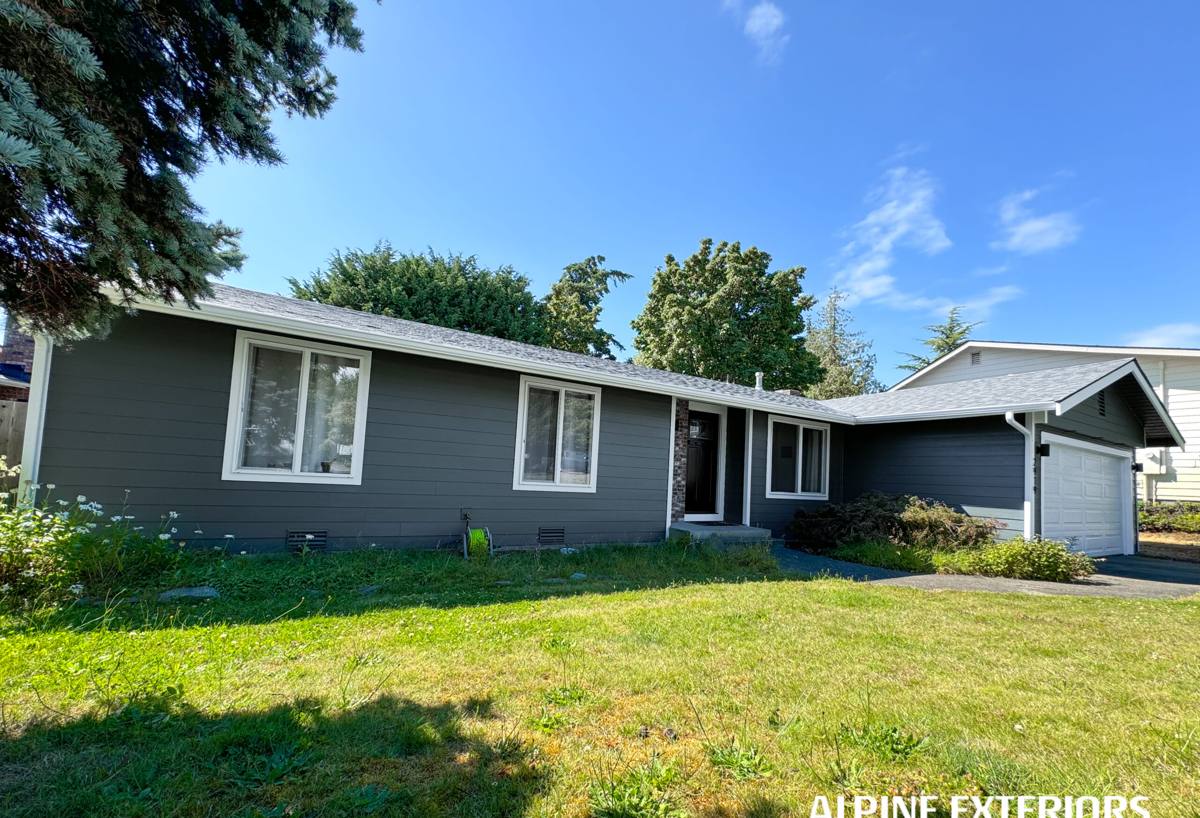
What the Barrier Island Climate Actually Does to Siding
Before talking about product or process, it helps to understand what's actually working against a home's exterior near the beach. This is the "why" behind every decision that follows.
Salt Air and Corrosion
Salt air doesn't just sit on the surface — it works into fasteners, trim joints, and any exposed edge that isn't properly sealed or coated. Over years, that constant low-level salt exposure accelerates corrosion of the wrong fastener types and breaks down finishes that weren't engineered for it. It also tends to expose sloppy caulking and thin paint jobs faster than they'd show problems anywhere else.
Intense, Year-Round UV
Clearwater sees strong sun exposure essentially every month of the year, not just a few summer weeks. UV breaks down pigments and resins in lower-grade paints and coatings, which is how you end up with chalking, fading, and uneven color on siding that's only a few years old. Whatever goes on this house needs a finish system built to take that kind of sun load without needing a repaint cycle every few years.
Wind-Driven Rain
Storms here rarely arrive as simple straight-down rain. Wind pushes rain sideways and up under laps, trim, and penetrations, which means water management — not just water resistance — is the real test. A siding system that looks fine in a light shower can still leak during a wind-driven event if the water-resistive barrier, flashing, and lap details underneath weren't done correctly.
Hurricane-Force Wind Loads
Pinellas County's building requirements reflect the real risk of hurricane-force wind on a barrier island. Fastening schedules, panel selection, and attachment details all need to account for wind uplift and pressure, not just "how it usually gets done." This is one of the areas where a shortcut is genuinely dangerous, because it doesn't show up as a problem until the first serious storm tests it.
Why This Crew Installs Only James Hardie Fiber Cement
We install James Hardie fiber cement siding exclusively. We do not install vinyl siding, LP SmartSide, Cemplank, Allura, primed spruce, or cedar. That's a deliberate standard, not a sales preference, and it's worth explaining honestly rather than just asserting it.
Vinyl is inexpensive and easy to install, but it's a thin plastic product that softens and can warp in extreme heat and becomes brittle with age and UV exposure — a real concern given how much direct sun this stretch of coast gets. Wood-based composite products like LP SmartSide use engineered wood strand cores, which perform reasonably well in stable climates but are more sensitive to sustained moisture exposure than a cement-based product, and moisture is not something you get to control near the Gulf. Primed spruce and cedar are natural wood products that require disciplined ongoing maintenance — regular repainting, moisture monitoring, and fast repair of any damage — to avoid rot, and that maintenance burden is higher, not lower, in a salt-air environment. None of these are "bad" products in every setting. They're just not what we're willing to warranty and stand behind on homes exposed to this specific combination of salt, sun, and storm risk.
Fiber cement is manufactured from cement, sand, and cellulose fibers, which makes it non-combustible and dimensionally stable across the wide temperature and humidity swings this coast produces. James Hardie has also engineered specific product lines for exactly this climate zone, which is the deciding factor for us.
The Hardie Product Lines That Make Sense This Close to the Gulf
HardieZone HZ5 Engineering
James Hardie engineers its products by climate zone, and Clearwater Beach falls into the zone that demands the highest moisture and durability performance the company offers. HZ5-engineered product is formulated for exactly the kind of humidity, rain exposure, and temperature cycling this area sees. Choosing the correct HZ designation isn't a marketing detail — it affects how the product performs over the decades, not just in year one.
ColorPlus Factory Finish
Instead of relying on field-applied paint as the primary defense against UV and salt, we specify Hardie's ColorPlus finish, which is baked on in a controlled factory environment through multiple coats. That finish is formulated to resist the fading and chalking that field-applied paint struggles with under constant coastal sun, and it comes with its own finish warranty separate from the substrate warranty.
Lap, Panel, and Trim Selection
Most Clearwater Beach homes are best served by HardiePlank lap siding for the main field, with HardieTrim used at corners, window and door casings, and fascia to keep the whole envelope in one coordinated system. Where a home's architecture calls for a different look — board-and-batten sections, vertical panel accents — HardiePanel is available, but the priority is always matching the product to the home's actual exposure, not just its style.
What a Correct Installation Involves
Fiber cement siding is only as good as the install behind it. Most siding failures we're called to evaluate trace back to installation shortcuts, not the product itself.
Substrate and Moisture Barrier
Before any siding goes up, the wall sheathing has to be sound, and a continuous water-resistive barrier goes over it with properly lapped and taped seams. On a beach-exposed home, we treat this layer as the actual waterproofing system — the siding above it is the durability and appearance layer, not the last line of defense against water intrusion.
Fastening Pattern for Wind Zones
Fastener type, spacing, and embedment all need to match the wind zone the home sits in, per Hardie's installation instructions and local code. This is one of the details that's invisible once the job is finished but matters enormously the first time a storm pushes real wind load against the wall.
Flashing, Joints, and Penetrations
Every window, door, hose bib, and vent penetration is a potential entry point for wind-driven rain. Correct flashing detail at each of these, along with properly gapped and sealed butt joints between siding courses, is what actually keeps water out during a sideways rain event — not just tight-looking seams.
Caulking and Touch-Up
Where ColorPlus siding is cut or seamed, we use touch-up products formulated to match and perform with the factory finish, and we caulk with products rated for the movement and exposure this climate produces. Cheap caulk is one of the most common early-failure points on coastal homes.
Our Process for Clearwater Beach Projects
Site Assessment
We start by walking the exterior to check the condition of the existing sheathing and structure, identify problem areas like past water intrusion or rotted trim, and confirm the wind zone and any HOA or code requirements specific to the property.
Material Staging and Scheduling
Beach-area properties often have tighter access, parking, and staging constraints than inland homes, plus more day-to-day weather variability from Gulf-driven systems. We plan material delivery and crew scheduling around that reality rather than assuming a standard suburban job site.
Installation and Daily Cleanup
Old siding and trim come off in sections rather than all at once where possible, so the home isn't left exposed longer than necessary. We keep the site cleaned up daily, which matters more in a place with regular foot traffic and neighboring properties close by.
Final Walkthrough and Documentation
Once installation is complete, we walk the exterior with the homeowner, point out the fastening and flashing details that were used, and provide the manufacturer warranty documentation, which is transferable if the home sells.
Cost Factors for Fiber Cement Siding Near the Beach
Every home is different, so we don't quote by square footage over the phone — but these are the factors that actually move a project's cost up or down.
| Factor | Why It Matters Here |
|---|---|
| Amount of trim and detail | Corners, casings, and accent panels add labor time beyond flat wall area |
| Condition of existing sheathing | Water-damaged sheathing found during removal has to be repaired before new siding goes on |
| Home height and access | Multi-story sections and tight beachfront lots require more staging and safety setup |
| Product line and profile | Lap width, texture, and panel vs. plank selection affect material cost |
| Color and finish | Standard ColorPlus colors versus custom field-painted finishes price differently |
Maintenance Checklist for a Salt-Air Environment
Fiber cement with a factory finish is low-maintenance compared to wood, but "low-maintenance" doesn't mean "no maintenance" this close to the Gulf. A simple annual routine keeps small issues from becoming siding replacement issues.
- Rinse salt residue off the siding surface with fresh water a few times a year, especially after long dry stretches
- Inspect caulking at trim joints and penetrations annually and re-caulk any cracked or separated sections promptly
- Check for chalking, staining, or color changes that could indicate a finish issue worth having looked at
- After any major storm, walk the exterior for loose trim, displaced panels, or new gaps at joints
- Keep sprinklers and irrigation from spraying directly and repeatedly onto the same section of wall
- Trim back landscaping that traps moisture or salt spray against the siding
Why Local Experience on Clearwater Beach Matters
A crew that works this specific stretch of coast regularly already knows the wind zone requirements, has a working relationship with the permitting process, and has seen firsthand how salt air and sun treat different products and installation details over time. That's different from a contractor who mostly works inland taking on an occasional beach job. Familiarity with barrier-island conditions shows up in the small decisions — fastener choice, flashing sequencing, how tight to run joints for expansion — that don't show up on a quote but do show up ten years later.
If you're considering fiber cement siding for a Clearwater Beach home, we're happy to walk the property, look at what's there now, and talk honestly about what a correct job looks like for your specific house. There's no pressure and no cost to get our assessment — the form below is the easiest way to get started.