 Clearwater Roofing
 New-Construction Windows Are a Different Job Than Replacement Windows
On Clearwater Beach, "new-construction windows" means something specific in the trade: windows installed into open stud framing before drywall and exterior finishes go on, using a nailing fin (or flange) that gets integrated directly into the wall's water-resistive barrier. That's different from a replacement window, which gets inserted into an existing frame that's already flashed and finished. If you're building a new home, doing a full addition, or gutting a beachside property down to the studs, you need the new-construction approach done correctly the first time — because once the drywall, siding, or stucco goes back on, the flashing details underneath are hidden for good.
We install new-construction windows on builds and major renovations around Clearwater Beach and work directly with builders, GCs, and homeowners managing their own project. This page covers what that job actually requires on a barrier island exposed to hurricane-force wind, constant UV, wind-driven rain, and salt air — and how we handle it.
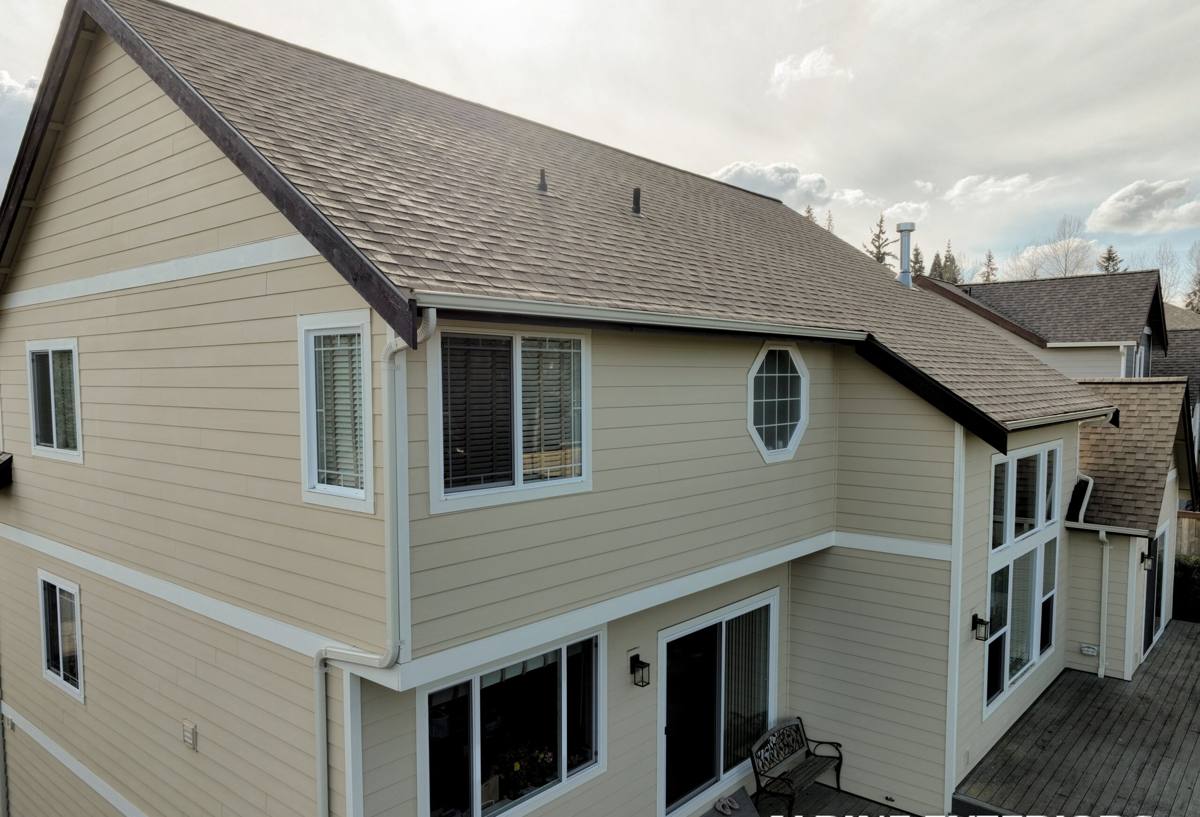
What Clearwater Beach's Climate Actually Demands From a Window
Every coastal property in Pinellas County deals with tougher conditions than an inland build, but a barrier island location like Clearwater Beach sits at the top end of that exposure. A few things drive every decision we make on a new-construction window install here:
Wind and Windborne Debris
Clearwater Beach sits in a wind-borne debris zone under the Florida Building Code, which means windows have to meet specific impact and pressure requirements, not just "be strong." Wind load isn't uniform across a house either — corner units and upper-floor openings typically see higher design pressures than a sheltered ground-floor window, and the window's rating has to match the specific opening it's going into, not just the general zone requirement.
Wind-Driven Rain
During tropical systems and even routine summer storms, rain on the beach doesn't fall straight down — it drives sideways into the wall assembly under pressure. A window can be impact-rated and still leak if the flashing and sill pan underneath it aren't detailed to shed water that's being pushed uphill and sideways by wind.
UV and Heat
Florida sun breaks down vinyl, degrades seals, and yellows low-grade frame materials faster than almost anywhere else in the country. Glass packages and frame finishes that aren't rated for sustained UV exposure show it within a few years — chalking, brittleness, seal failure.
Salt Air
Being this close to the Gulf means airborne salt is a constant. It accelerates corrosion in hardware, fasteners, and lower-grade aluminum components. Anything metal in the window assembly — hinges, screws, reinforcement, cladding — needs to be rated for a marine or coastal environment, not standard-grade hardware.
Code and Product Approval: What Has to Be Right Before Install
Because Clearwater Beach falls in a wind-borne debris region, new-construction windows here need Florida Product Approval or Miami-Dade NOA documentation matching the design pressure requirements for that specific opening, plus a permit and inspection through the local building department. This isn't paperwork we treat as an afterthought — the wrong window in the wrong opening is a failed inspection, a change order, and a delay for the builder or homeowner.
Permitting and Inspections
New-construction window installs on the beach typically require a permit, and inspectors here are looking for correct flashing sequence and proper anchoring into structural framing, not just that a window is present in the opening. We pull permits, schedule inspections around the framing and rough-in timeline, and document the product approval numbers for every unit installed.
Matching the Window to the Opening
Design pressure ratings vary by wall height, corner proximity, and roof geometry. A window rated for a sheltered mid-wall opening on a single-story addition isn't automatically right for a gable-end opening two stories up. We work from the engineered plans or wind load schedule for the project to make sure every opening gets a window rated to handle what it actually faces.
What a Correct New-Construction Install Actually Involves
The window unit itself only does half the job. The other half is the flashing and integration work that happens before and during the set — and it's the part that determines whether the wall stays dry for the next twenty years or starts showing water stains behind the drywall in three.
Flashing and Waterproofing Sequence
Done right, this follows a strict shingle-lap order so water always drains outward and downward, never into the wall cavity:
- Sill pan flashing installed first, with end dams and a slight outward pitch so any water that gets past the window drains back out, not into the framing
- Window set into the opening, leveled, plumbed, and squared before a single fastener goes in
- Nailing fin fastened per the manufacturer's approved pattern — spacing and fastener type matter for both wind performance and warranty validity
- Jamb and head flashing lapped over the fin in the correct shingle-style order, tying into the wall's water-resistive barrier
- Head flashing installed last, lapping over the WRB above so water sheds down and outward past the window, never behind it
- All flashing laps and terminations sealed with a compatible sealant — mismatched sealant and housewrap chemistry is a common cause of early failures
Anchoring for Wind Load
The fastener schedule around a new-construction window isn't cosmetic — it's engineered to transfer wind load from the window frame into the structural framing. Skipping fasteners, using the wrong length, or missing the required backing at jambs and headers is exactly the kind of shortcut that shows up as a blown-out window during a storm. We follow the manufacturer's approved installation instructions for anchor spacing and embedment, because that's also what keeps the product approval and warranty intact.
Choosing the Right Frame Material for a Beachside Build
Frame material affects how a window holds up to salt air, UV, and wind load over time. There's no single right answer for every project — it depends on budget, the home's design, and how much long-term maintenance the owner wants to take on.
| Frame Material | Coastal Durability | Maintenance | Typical Cost Position |
|---|---|---|---|
| Vinyl | Good with UV-stabilized, impact-rated product; can soften or discolor over time in intense sun | Low — no painting, occasional cleaning | Lower to mid |
| Aluminum (marine-grade) | Strong under wind load; needs proper coating/anodizing to resist salt corrosion | Moderate — watch for corrosion at fasteners and hardware | Mid |
| Fiberglass | Excellent — dimensionally stable, resists UV and salt-driven corrosion well | Low — very stable finish over time | Higher |
| Wood-clad | Poor fit for direct beach exposure unless heavily protected; moisture and salt attack exposed wood and finish | High | Higher |
For most Clearwater Beach new-construction projects, we steer homeowners toward impact-rated vinyl or fiberglass, or marine-grade aluminum where the design calls for narrower sightlines. We're honest that wood-clad frames, while attractive, carry a maintenance burden and moisture risk that's hard to justify in a direct salt-air environment — that's a professional standard we hold to, not a knock on any manufacturer.
Our Process on a Clearwater Beach New-Construction Job
We coordinate with the builder's or homeowner's construction timeline so windows arrive and get set at the right point in the framing schedule — too early and they're in the way of other trades, too late and it holds up drywall and exterior finish work.
- Plan review: we confirm design pressure requirements and product approval documentation for every opening before ordering
- Rough opening check: framers' openings get verified for size, square, and plumb before windows arrive on site
- Sill pan and flashing prep: waterproofing goes in ahead of the window, not after
- Window set and anchor: units are leveled, squared, and fastened per the approved schedule
- Flashing integration: jamb and head flashing tie into the WRB in correct shingle-lap order
- Inspection: we schedule and stand by for the building department's rough-in inspection before the wall gets closed up
- Final walkthrough: operation, seals, and hardware checked once the opening is finished out
Why a Crew That Already Works Clearwater Beach Matters Here
A window crew that mostly works inland jobs in Pinellas County can still do fine work, but they're less likely to have the local building department's inspectors, the barrier island's specific wind exposure categories, and the realities of scheduling around beach traffic and storm season baked into how they plan a job. We work Clearwater Beach regularly, which means we already know what local inspectors are checking for at rough-in, what design pressures typically apply to different parts of the island, and how to sequence a beach job around the tourist season and hurricane season without surprises. That local familiarity is part of what keeps a new-construction window job on schedule and passing inspection the first time.
After Installation: What Keeps These Windows Performing
New-construction windows on the beach hold up well when the install was done right, but they still need basic upkeep. Rinse frames and hardware periodically to clear salt residue, especially after storms. Keep an eye on caulk and sealant lines at the exterior trim — UV and salt air are the two things most likely to break those down over the years. If a window ever feels harder to operate or you notice a soft spot in the drywall or trim near a window, that's worth a look sooner rather than later, since it usually points to a flashing or seal issue rather than the window unit itself.
If you're planning a new build, addition, or full renovation on Clearwater Beach and want window openings done right from the framing stage forward, we're glad to walk the plans with you and put together a straightforward, no-pressure estimate — just fill out the form below.