 Clearwater Roofing
 Why Clearwater Beach Roofs Wear Out Faster
Clearwater Beach sits on a barrier island, which means every roof out here deals with a harsher mix of stress than a roof just a few miles inland in Pinellas County. Salt-laden air moves off the Gulf constantly, and it doesn't stay at the waterline — it travels on the wind and settles on every exposed surface, including fasteners, flashing, and metal components. Add in year-round, high-intensity UV exposure and the wind-driven rain that comes with Gulf storms, and you have a roof system that's aging under conditions most manufacturers' warranties were not written around.
None of this means a roof on Clearwater Beach is doomed to fail early. It means the installation has to account for the environment from the start — the right materials, the right fastening, and the right detailing at every penetration and edge. A new roof installed the same way you'd install one in a landlocked subdivision is a new roof that's going to underperform out here.
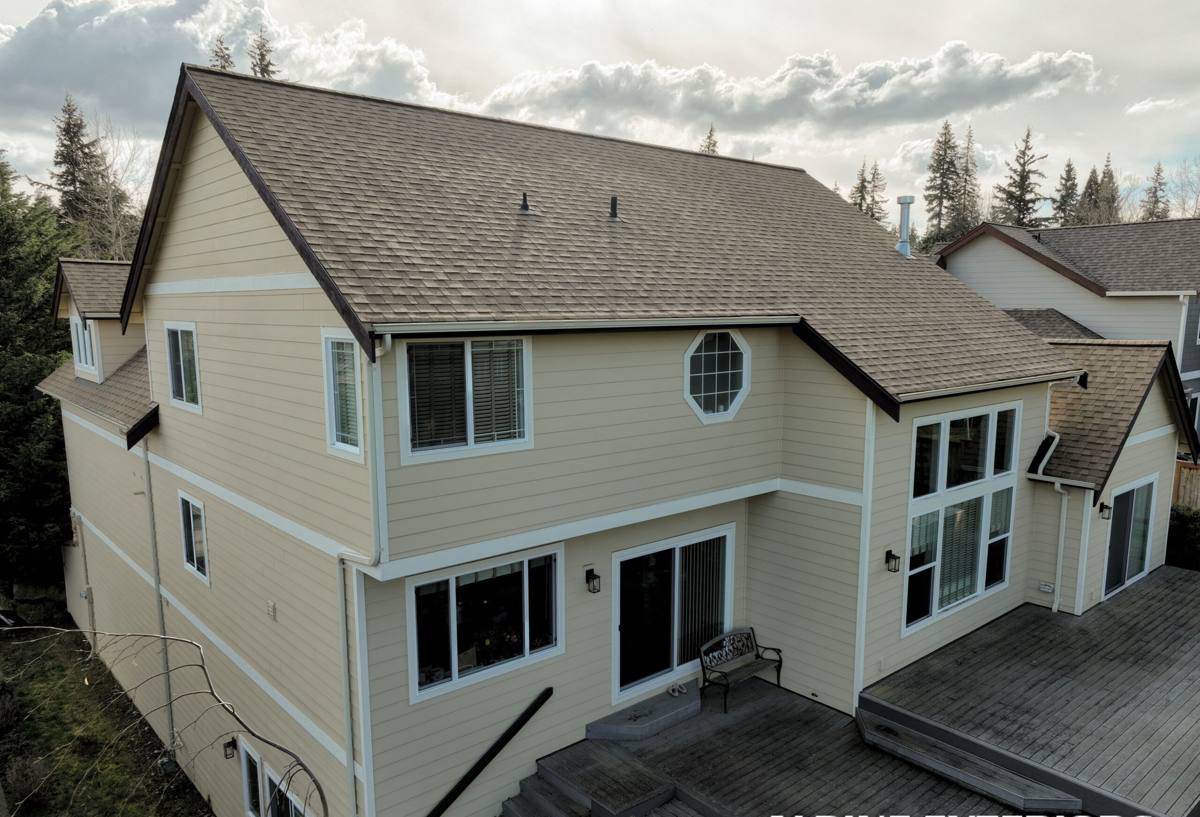
Signs It's Time for a New Roof, Not Another Repair
Most homeowners don't wake up one day and decide they need a new roof — they get there after a string of smaller problems. On Clearwater Beach, we typically see a full replacement make more sense than another round of patching when a roof shows several of the following at once:
- Shingles that are cupping, cracking, or losing granules across large sections, not just one spot
- Repeated leaks in different areas after storms, rather than one recurring leak
- Visible rust streaking or corrosion around flashing, vents, or fasteners
- Soft or spongy decking found during inspection, which signals moisture has been getting in for a while
- A roof nearing or past the age where the underlayment and flashing have outlived their expected service life
- Storm damage significant enough that insurance is already involved
If a roof is only a few years old and the damage is isolated, a repair is usually the honest answer, and we'll say so. New roof installation makes sense when the underlying system — deck, underlayment, flashing — is compromised broadly enough that patching individual spots just delays the same failure elsewhere.
What a Correct New Roof Installation Includes
A new roof is more than shingles or panels laid on top of what's already there. On a coastal property, skipping any of the steps below is where premature failures start.
Tear-Off and Deck Inspection
We remove the old roofing material down to the deck and inspect it board by board. Any wood that's soft, delaminated, or water-stained gets replaced before anything new goes down — covering damaged decking with new roofing just hides a problem that will resurface as a leak or a soft spot later.
Underlayment and Secondary Water Barrier
This layer matters more here than almost anywhere else in the country. Wind-driven rain during Gulf storms can push water sideways under roof coverings, so a properly sealed, self-adhered underlayment system acts as a true secondary water barrier — the layer that keeps your home dry even if wind or debris compromises the outer roofing material during a storm.
Flashing and Fasteners
Flashing around chimneys, walls, skylights, and roof-to-wall transitions is where most leaks actually start, not in the open field of the roof. We use corrosion-resistant materials and correct lap and sealing details at every penetration, since salt air will find and exploit any weak point in flashing or exposed fastener heads faster here than inland.
Ventilation
Proper intake and exhaust ventilation keeps attic temperatures and moisture in check, which protects the decking from the underside and helps the roofing material itself last through Florida's heat. A roof that looks right from the street but was installed without correct ventilation is one that ages from the inside out.
Choosing the Right Roofing Material for a Barrier Island Home
There's no single "best" roofing material for every home — the right choice depends on your home's structure, your budget, and how much long-term maintenance you're willing to take on. Here's how the common options generally compare for a coastal Clearwater Beach property:
| Material | Coastal Considerations | Maintenance | Typical Lifespan |
|---|---|---|---|
| Architectural asphalt shingles | Cost-effective, wide color range; needs correct wind-rated products and sealing at edges | Periodic inspection, especially after major storms | Moderate |
| Standing seam metal | Strong wind performance when installed correctly; fasteners and finish quality matter more near salt air | Low, but watch for finish wear and fastener condition over time | Long |
| Concrete or clay tile | Durable against UV and heat; underlayment condition becomes critical since tile itself isn't fully waterproof | Occasional tile replacement, underlayment inspection at intervals | Long, but underlayment often needs attention before the tile does |
We'll walk through these trade-offs with you honestly rather than steering you toward whatever's easiest to install. For some homes, budget and roof shape point clearly toward asphalt shingles done right. For others — especially homes closer to the water with more direct salt exposure — the higher upfront cost of metal or tile pays off in fewer maintenance cycles.
Permits, Codes, and Inspections in Pinellas County
New roof installations in Clearwater require a permit through the local building department, and the finished work has to pass inspection before it's considered complete. Florida's building code includes specific wind-resistance and water-barrier requirements for roofing, and Pinellas County enforces them closely given the area's storm exposure. This isn't paperwork for its own sake — it's the mechanism that confirms the roof was actually installed to the standard your home needs to hold up here.
We handle the permitting and coordinate inspections as part of the job. If a contractor is proposing to skip the permit "to save time," that's a red flag worth taking seriously — an unpermitted roof can create real problems later with insurance claims and home sales.
Our Installation Process
- On-site inspection and honest assessment of whether repair or replacement is the right call
- Written estimate covering material options, scope of work, and timeline
- Permit filed with the City of Clearwater or Pinellas County as applicable
- Tear-off, deck inspection, and any necessary deck repair
- Underlayment, flashing, and new roofing material installed to code and manufacturer specification
- Site cleanup, including magnetic sweep for stray fasteners
- Final walkthrough with you, followed by the required inspection
We keep you informed at each stage rather than disappearing until the job is "done." If weather or unexpected deck damage changes the timeline or scope, we tell you before it becomes a surprise on the invoice.
Why Hiring a Crew That Already Works Clearwater Beach Matters
A roofing crew that mostly works inland jobs isn't necessarily going to get the coastal details wrong — but they're less likely to have the day-to-day habits that come from working salt-air, high-wind environments regularly. Fastener selection, flashing detail, underlayment choice, and even how a roof is sequenced around Gulf weather windows are things you learn by doing them repeatedly in this specific environment, not by reading a spec sheet once.
We work in Clearwater and the surrounding Pinellas County barrier island communities regularly, which means we're not guessing about how a roof needs to be built to hold up a block from the Gulf. It also means we're reachable and accountable after the job is done — not a crew that did one job in your neighborhood and moved on.
Protecting Your New Roof After Installation
A correctly installed roof still benefits from basic upkeep, especially in a salt-air environment. A short annual routine goes a long way:
- Have the roof visually inspected after any major storm, even if you don't see obvious damage from the ground
- Keep gutters and downspouts clear so water isn't backing up under roof edges
- Rinse off heavy salt accumulation periodically, particularly on metal components and flashing
- Watch for granule buildup in gutters (a sign of shingle wear) or any rust streaking near fasteners and flashing
- Address minor issues — a lifted shingle, a small flashing gap — before the next storm season, not after
None of this requires a large budget or constant attention. It just means not ignoring the roof until there's a leak inside the house.
Get a Free, No-Pressure Roof Estimate
If your Clearwater Beach roof is showing its age, took storm damage, or you just want an honest opinion on repair versus replacement, we're glad to take a look. The estimate is free, there's no pressure to move forward, and you'll get a straight answer about what your roof actually needs — use the form below to get started.