 Clearwater Roofing
 Seminole's Climate Is Hard on Decks
Seminole sits close enough to the Gulf and to the canals and waterways that wind through this part of Pinellas County that "coastal exposure" isn't a marketing phrase here — it's a daily condition your deck lives in. Between hurricane-force wind events, intense year-round UV, wind-driven rain, and salt-laden air, an outdoor structure in this neighborhood ages differently than the same deck would fifty miles inland.
UV breaks down wood fibers and the finishes meant to protect them, turning boards gray and brittle years before an inland deck would show the same wear. Wind-driven rain gets pushed sideways into joints, ledger connections, and end grain that a standard rain event would never reach, which is where hidden rot usually starts. Salt air accelerates corrosion in fasteners, brackets, and any hardware that isn't rated for it — and once a fastener starts rusting, it weakens the connection long before you can see the problem from the surface. Add in the structural stress of tropical storms and hurricanes, and it's easy to see why decks in Seminole often need replacing sooner than homeowners expect, even when they look fine from a few feet away.
How to Tell a Deck Needs Replacement, Not Repair
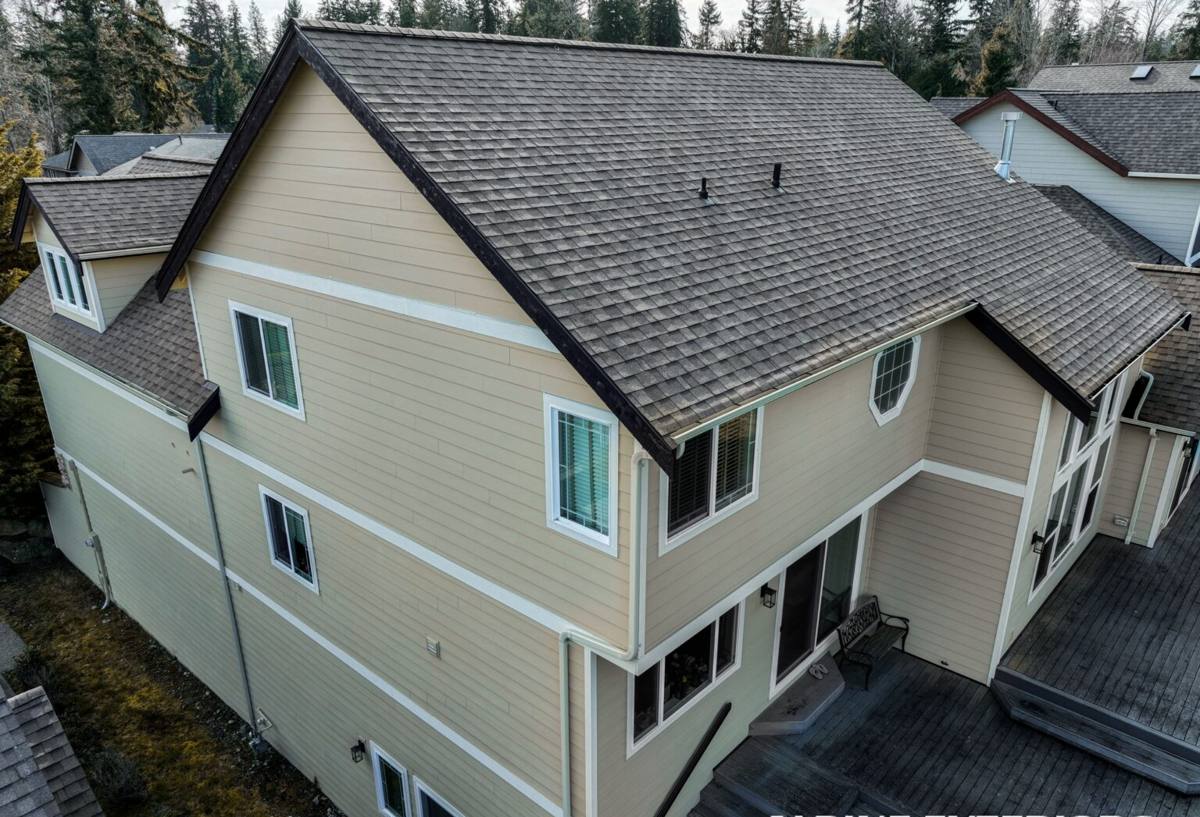
Not every tired-looking deck needs to come out. But there's a point where patching boards or re-staining is just delaying an inevitable, more expensive failure — and in a climate like ours, that point arrives faster than most homeowners assume. We look at the whole structure, not just the surface, before recommending replacement over repair.
- Soft, spongy, or springy decking boards, especially near the house or at board ends
- Visible rot or discoloration at the ledger board where the deck attaches to the house
- Posts that are soft, cracked, or rotted at or near grade level
- Noticeable sag, bounce, or movement when you walk across the deck
- Rust streaks bleeding from fasteners or connectors into the wood
- A structure built before current code that's under-sized for today's wind load requirements
- Railings that flex or feel loose when pushed
If you're seeing more than one of these, especially ledger rot or post decay, repair usually just delays the real fix. A deck is only as strong as its weakest connection, and in a wind event that weak point is exactly where failure starts.
What a Correct Deck Replacement Involves
A deck that's going to hold up in Seminole's weather isn't just about swapping old boards for new ones. The structure underneath the decking is what actually determines whether the deck survives the next major storm, and it's the part most homeowners never see once the project is finished.
Ledger Board and House Attachment
The ledger board — where the deck ties into your house — is the single most important connection on the entire structure and the most common failure point in older or poorly built decks. It needs proper flashing to keep water from tracking behind it into your home's structure, and it needs to be through-bolted (not just nailed or lag-screwed) into solid framing. Wind-driven rain finds every gap here, so the flashing detail matters as much as the fasteners.
Footings, Posts, and Beams
Footings need to be sized and set to current code for the loads the deck will carry, including wind uplift — a real consideration in a hurricane-prone area, not a formality. Posts should be set to resist rot at grade, and beams need to be sized correctly for the span, not just "what was there before." A lot of the decks we replace were originally built undersized for the loads they're now expected to carry.
Fasteners and Hardware for a Salt-Air Climate
Standard hardware corrodes fast this close to the coast. We use fasteners and structural connectors rated for coastal or salt-air exposure, matched to the decking and framing materials so you don't end up with galvanic corrosion between dissimilar metals — a problem that shows up as staining and weakening hardware within just a few years when the wrong combination is used.
Railings and Code-Required Guards
Railing height, baluster spacing, and post attachment are all governed by code for good reason — they're a safety system, not a design accessory. We build them to hold up structurally, not just to pass a visual inspection.
Choosing Decking Material for a Seminole Home
There's no single "best" decking material — there's a best material for your budget, your maintenance appetite, and how much direct sun and salt exposure your specific deck gets. We'll walk through the honest trade-offs of each option rather than pushing whatever has the best margin.
| Material | Upfront Cost | How It Handles Our Climate | Maintenance |
|---|---|---|---|
| Pressure-treated wood | Lowest | Prone to UV graying, splintering, and warping without consistent upkeep; needs sealing regularly to resist wind-driven rain | Annual cleaning and re-sealing recommended |
| Capped composite | Mid-range | Resists moisture and UV fading much better than wood; the capped outer layer protects against staining and salt exposure | Occasional washing, no sealing or staining |
| PVC / cellular decking | Higher | No wood fibers to rot; handles humidity, salt air, and UV with minimal color or structural change over time | Lowest — periodic cleaning only |
We install pressure-treated wood when a homeowner wants that look and budget and is committed to the maintenance it requires. For most Seminole homes exposed to salt air and full sun for years at a time, composite or PVC decking earns its higher upfront cost back in avoided maintenance and a longer service life before the next replacement. We'll give you real numbers for your specific project rather than a generic recommendation.
Permits and Pinellas County Code
Deck replacement in Seminole requires a permit, and the structure has to meet current Florida Building Code wind load requirements — not the code that was in effect when an older deck was originally built. This matters more here than in most of the country because Florida's wind provisions are among the strictest in the U.S. for good reason.
We handle the permitting and inspection process as part of the job, including scheduling the required inspections at framing and final stages. Skipping permits on deck work is a common shortcut some contractors take to move faster or bid lower, but it leaves you exposed if there's ever an insurance claim, a home sale, or a future problem tied to the deck — unpermitted work can become the homeowner's liability, not the contractor's.
Our Deck Replacement Process
- On-site assessment. We inspect the existing deck's framing, ledger, posts, and footings to determine actual condition, not just surface appearance.
- Design and material selection. We go over decking material options, railing style, and layout, with honest cost and maintenance trade-offs for each.
- Permitting. We prepare and submit the permit package and schedule inspections with the local building department.
- Demolition. The old deck is removed, including checking framing members and ledger attachment behind the old decking for hidden rot.
- Framing. New footings, posts, beams, and joists are built to current code, sized for the actual span and load.
- Decking and railing installation. Decking, fasteners, and railings are installed with coastal-rated hardware throughout.
- Final inspection and walkthrough. We pass final inspection and walk the finished deck with you before calling the job done.
Why a Crew That Already Works in Seminole Matters
A deck built by a crew that hasn't worked this specific area often gets the materials and general construction right but misses the local details that determine how long it actually lasts. Knowing how much salt exposure a given property gets based on proximity to water, how Pinellas County inspectors expect ledger flashing and footing details to be documented, and how to sequence a job around hurricane season scheduling all come from doing this work locally and repeatedly — not from a general contracting background applied to a new region.
We also know that "good enough for most of Florida" isn't always good enough for a property that sits closer to brackish water and gets more direct salt spray than a deck ten miles inland. That's the kind of judgment call that only comes from building and repairing decks in this specific area, season after season.
Caring for Your New Deck
Whatever material you choose, a little regular attention goes a long way in this climate. Here's what we recommend to homeowners after we finish a deck replacement:
- Rinse off salt residue and debris every few weeks, more often after storms
- Check railings and stair connections twice a year for any looseness
- Keep gutters and downspouts clear so runoff doesn't pour directly onto or under the deck
- Re-seal pressure-treated wood on the manufacturer's recommended schedule — don't skip years
- Trim back vegetation that traps moisture against the deck's underside or framing
- After any major storm, do a quick visual check of posts, railings, and the ledger connection
If you're weighing whether your current deck needs replacing or just some attention, we're happy to take a look and give you a straight answer either way. Reach out for a free, no-pressure estimate — we'll walk the deck with you, explain what we find, and lay out your real options before any work begins.