 Clearwater Roofing
 Why Roofs in Island Estates Wear Faster Than Roofs a Few Miles Inland
Island Estates sits close to open water, and that changes what a roof deals with day to day. Homes here get more direct wind exposure with fewer trees and buildings to break it up, more salt-laden air moving across the property, and long afternoon sun with almost nothing to shade the roof deck. None of that shows up overnight. It shows up as fasteners and flashing that corrode a little earlier than they would inland, granule loss and UV brittleness that creeps in a few years ahead of schedule, and sealant lines that dry out and crack sooner than a manufacturer's warranty chart would suggest.
None of this means Island Estates homes need exotic materials or unusual construction. It means the details that are easy to skip — fastener choice, flashing metal, underlayment quality, ventilation — matter more here than they do on a roof set back from the water. A replacement done to a general standard will hold up fine in a lot of Pinellas County. A replacement done for this specific location needs to be built with the coastal wind and salt exposure in mind from the start.
Signs a Repair Won't Cut It Anymore
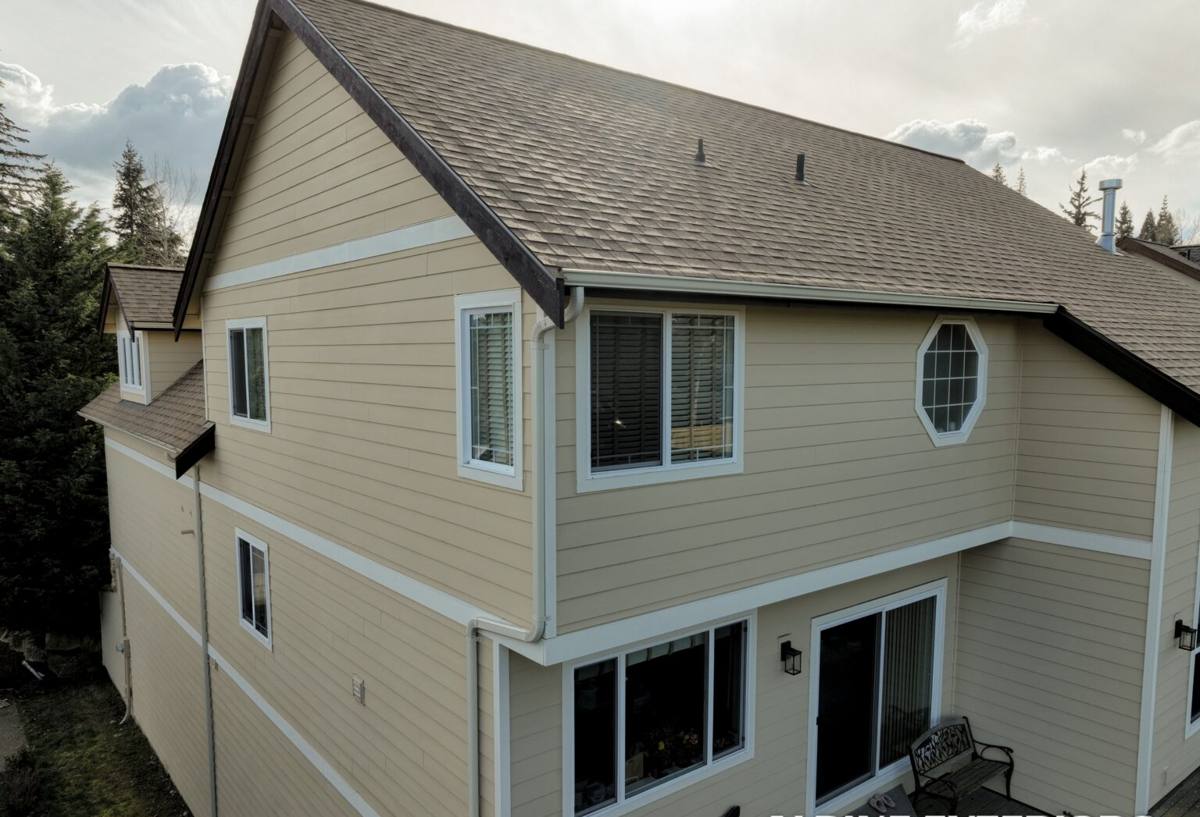
Every roof gets small repairs over its life — a lifted shingle here, a resealed pipe boot there. The question homeowners usually bring to us is whether the roof still has repairable life left, or whether they're about to start paying to patch a roof that's past the point of it being worth it. A few signs tend to mean replacement, not another repair call:
- Granules collecting in gutters or at downspouts, or shingles that look bald and gray in patches
- Shingle edges curling up or cupping down, especially on south- and west-facing slopes
- Leaks that keep returning in different spots after being patched
- Soft or spongy decking felt underfoot in the attic, or daylight visible through the roof boards
- A roof at or past the age where its wind mitigation credits are about to lapse or already have
- Multiple layers of shingles already on the roof, which limits future repair options and affects how a new layer can legally go on
- Visible sagging along the roofline, which usually points to a decking or structural issue, not a surface one
If you're seeing two or more of these, it's worth getting a straight answer on where the roof actually stands before spending more money chasing leaks.
What a Correct Replacement Actually Involves Here
Tear-off and deck inspection
We remove the existing roofing down to the deck rather than layering over it. That's the only way to actually see the plywood or OSB underneath, catch soft or rotted spots, and confirm the deck is fastened the way current code expects. Skipping this step is how a roof looks fine for two years and then fails from underneath.
Underlayment and water barrier
With wind-driven rain a regular part of the weather pattern here, the underlayment matters as much as the shingles on top of it. We use a synthetic or self-adhering underlayment system appropriate to the roof pitch and material, with extra attention to valleys, eaves, and any low-slope sections where wind can drive water sideways or uphill under the covering.
Flashing at every penetration and edge
Chimneys, vent stacks, skylights, and wall-to-roof transitions are where most leaks actually start, not in the open field of shingles. In a salt-air environment we pay attention to flashing metal — corrosion resistance matters more here than on an inland roof — and make sure every penetration is properly stepped, sealed, and counter-flashed rather than just caulked over.
Fastening for wind resistance
Florida Building Code sets minimum nailing patterns and fastener requirements for a reason, and in a wind-exposed location like this one we don't treat those as a ceiling — they're the starting point. Correct nail placement, count, and penetration depth are what actually keep a roof system attached during a wind event, far more than the shingle brand printed on the wrapper.
Ventilation
Intense year-round sun heats attic spaces fast, and a poorly ventilated attic shortens shingle life from underneath while also driving up cooling costs. We check intake and exhaust balance as part of every replacement rather than assuming the existing vents are adequate.
Choosing a Roofing System for a Waterfront-Exposed Home
There isn't one "right" material for Island Estates — it depends on your roof's shape, your budget, and how long you want to go before thinking about the roof again. Here's how the common options generally compare for this kind of exposure:
| Material | Wind Performance | Salt-Air Durability | Typical Lifespan | Maintenance |
|---|---|---|---|---|
| Architectural asphalt shingles | Good, when installed to high-wind spec | Good with corrosion-resistant fasteners and flashing | 20–30 years | Low to moderate |
| Standing seam metal | Very good to excellent | Very good with coastal-rated coatings and fasteners | 40–50+ years | Low |
| Concrete or clay tile | Good when fastened and battened correctly | Good; underlayment failure is the usual weak point, not the tile itself | 30–50+ years | Moderate |
Whatever material you choose, we'd rather talk through the honest trade-offs — upfront cost, weight on the structure, long-term maintenance, and how it fits the rest of your home — than push one product because it's easier for us to sell. The right choice is the one that matches your budget and how long you plan to stay in the home.
Our Roof Replacement Process
- On-site inspection and honest assessment. We look at the deck, flashing, ventilation, and age of the current roof, and tell you plainly whether replacement is actually the right call.
- Written estimate and material selection. You get clear pricing and a walkthrough of material options suited to a coastal wind exposure, not a one-size-fits-all quote.
- Permitting. We handle the permit application with the local building department before any work starts.
- Tear-off and deck repair. Old roofing comes off, the deck gets inspected, and any soft or damaged sections are replaced before anything new goes on.
- Underlayment, flashing, and installation. Installed to current Florida Building Code wind requirements, with attention to every penetration and edge detail.
- Final inspection and cleanup. We walk the job with you, coordinate the required municipal inspection, and clear the property of debris and old materials.
- Paperwork. You get manufacturer warranty registration and documentation you can hand to your insurance company, including anything needed for a wind mitigation inspection.
Permits, Wind Mitigation, and Insurance in Pinellas County
A roof replacement in Clearwater requires a building permit and a final inspection — that's not optional, and skipping it can cause real problems later if you ever sell the home or file a claim. It's worth doing right the first time with a contractor who pulls permits under their own license rather than asking you to do it yourself.
It's also worth knowing that a new roof, installed to current code, often qualifies for a wind mitigation inspection that can lower your homeowner's insurance premium. Insurers in this part of Florida weight roof age, shape, and construction details heavily, so a properly documented replacement can pay part of itself back over time through lower premiums — not a guarantee, but a real factor worth asking your insurance agent about once the work is done.
Why Hiring a Crew That Already Works Island Estates Matters
A roofer who works this neighborhood regularly already knows things that take an outside crew time to figure out: the typical roof pitches and layouts on the island, the access and staging challenges of tighter lots and limited street parking, and how quickly salt air and sun actually affect materials here versus what a spec sheet promises. That familiarity shows up in fewer surprises mid-job and a crew that isn't guessing at how the local climate will treat their work five years down the road.
It also means faster response if something needs attention after the job is done. A contractor with an established presence in Clearwater and Pinellas County isn't disappearing after the final payment — they're still local, still reachable, and still standing behind the work.
Get a Straight Answer on Your Roof
If your roof is showing its age, or you just want an honest read on how much life is left in it, we're glad to take a look. We'll give you a clear, no-pressure estimate and tell you plainly whether replacement makes sense right now or whether a repair will genuinely hold — use the form below to get started.