 Clearwater Roofing
 Why Indian Rocks Beach Homes Need a Different Approach to Windows
Indian Rocks Beach sits on a narrow barrier island, which means every window on a home here is doing double duty. It has to keep conditioned air inside and heat, humidity, and UV out, while also standing up to salt-laden air, wind-driven rain, and the wind loads that come with living close to open Gulf water. A window that performs well a few miles inland on the mainland doesn't necessarily perform the same way a block from the beach. When we talk about "energy-efficient windows" for this area, we're really talking about a window package chosen and installed specifically for a barrier-island environment, not a generic upgrade pulled from a catalog.
This page focuses on that one job: replacing or upgrading windows on an Indian Rocks Beach home so they cut energy loss and hold up to the local climate. We'll walk through what the coastal environment does to windows over time, what actually makes a window energy-efficient versus just new-looking, how impact rating and energy performance relate to each other, and what our process looks like from estimate to final inspection.
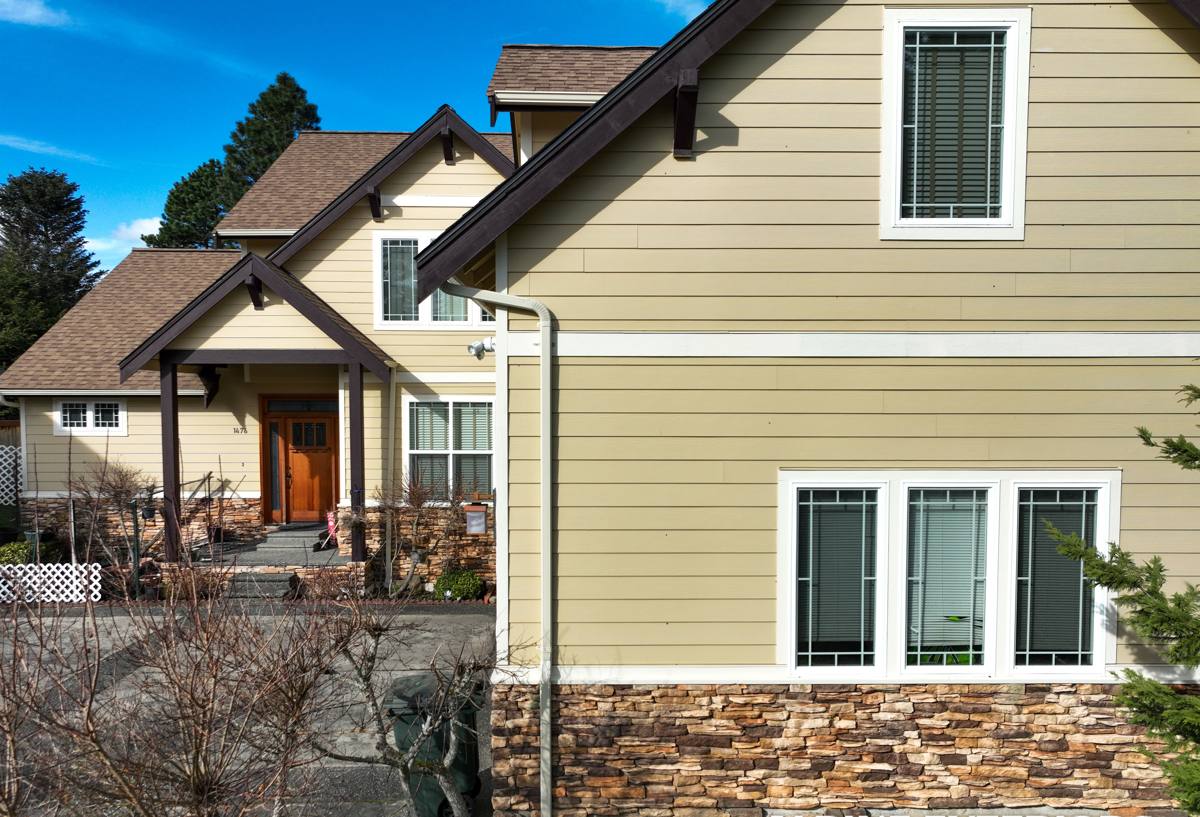
What the Coastal Environment Does to Windows Over Time
Salt Air and Corrosion
Homes near the water deal with airborne salt settling on every exterior surface, including window frames, hardware, and screens. Over years, salt exposure can corrode lower-grade fasteners, pit aluminum finishes, and degrade weatherstripping faster than it would inland. This matters for energy efficiency because a frame that's corroding or a seal that's breaking down no longer closes tightly, and a window that doesn't close tightly leaks conditioned air no matter how good the glass is.
UV Exposure
Florida gets strong, direct sun essentially year-round, and homes on the coast get it with fewer obstructions. Constant UV exposure breaks down vinyl, fades interior finishes and furnishings, and degrades certain sealants and gaskets over time. Glass and frame products need UV-stable materials and coatings designed for this, not just for a mild climate.
Wind-Driven Rain
Storms here don't just bring rain, they push it sideways under pressure. A window that isn't installed with the right flashing, sealant, and drainage details can let water intrude around the frame even if the glass itself is fine. This is one of the most common sources of hidden damage in coastal homes: not a failed window, but a poorly sealed installation.
Hurricane-Force Wind Loads
Pinellas County sits in a wind-borne debris region, and barrier island properties like those in Indian Rocks Beach see some of the highest design wind pressures in the county. Windows here need to be rated to resist both sustained wind pressure and impact from wind-borne debris, which is a structural requirement layered on top of the energy performance question.
What "Energy-Efficient" Actually Means in a Window
An energy-efficient window is a system, not a single feature. The glass, the gas fill between panes, the frame material, and the installation all contribute. When we evaluate a window for energy performance, we're generally looking at a few measurable factors:
| Factor | What It Measures | Why It Matters Here |
|---|---|---|
| U-Factor | Rate of heat transfer through the window | Lower U-factor keeps summer heat out and holds cooled air in, which matters for a home running A/C most of the year |
| SHGC (Solar Heat Gain Coefficient) | How much solar radiant heat passes through the glass | A lower SHGC is usually preferred here given the intensity and duration of Florida sun |
| Air Infiltration Rating | How much air leaks through the assembled window | A well-sealed frame matters as much as the glass; this is where installation quality shows up |
| Visible Transmittance | How much natural light passes through | Coastal homeowners often want to balance daylight and views against heat and glare |
Low-E (low-emissivity) coatings, often paired with argon or krypton gas fills between double panes, are standard tools for improving these numbers without sacrificing clarity. The right combination depends on which direction a window faces, how much direct sun it gets, and whether the home is single or multi-story.
Impact Rating and Energy Efficiency Are Not the Same Thing
This is one of the most common points of confusion we run into. A window can be impact-rated without being particularly energy-efficient, and in theory a window could be energy-efficient without meeting local wind and impact codes — though that second option isn't something we'd install on a home in this area, because it wouldn't pass permitting or protect the house in a storm.
In Pinellas County, replacement windows on a barrier island home like those in Indian Rocks Beach generally need to meet wind-borne debris protection requirements, which usually means either impact-rated glass or an approved shutter system paired with the window. Impact-rated windows use laminated glass with an interlayer that holds the glass together under impact, which also happens to improve sound dampening and, when paired with the right coatings, can perform very well on energy metrics too. The key is not treating "impact-rated" and "energy-efficient" as the same checkbox — a correctly specified window needs to satisfy both, and the products and installation details that achieve one don't automatically achieve the other.
Choosing Frame Materials for a Salt-Air Environment
Frame material affects both energy performance and how well the window holds up near the water. There's no single "correct" answer for every home — it depends on the home's age, structure, budget, and how exposed it is to direct salt spray — but here's how the common options generally compare for this specific environment.
| Frame Material | Salt Air / Corrosion Behavior | Typical Energy Performance | Maintenance |
|---|---|---|---|
| Vinyl | Does not corrode; UV-stabilized formulations resist fading and brittleness | Good insulator by nature; performs well when properly installed | Low; occasional cleaning |
| Aluminum | Can be vulnerable to pitting and corrosion over time unless properly coated and maintained | Conducts heat more than other frame materials unless thermally broken | Moderate; coatings need periodic attention |
| Fiberglass | Very stable in salt air and UV; expands/contracts close to glass, reducing seal stress | Strong insulator, holds up well over time | Low |
| Wood / Wood-Clad | Vulnerable to moisture intrusion and rot in high-humidity, salt-air settings without diligent upkeep | Good when dry and well-sealed | High |
We'll walk through these trade-offs honestly during an estimate rather than pushing one material for every home. A frame choice that works great three miles inland isn't automatically the right call for a home that takes direct salt spray off the Gulf.
Our Process for an Indian Rocks Beach Window Project
- On-site assessment. We look at the home's current windows, orientation to the sun, exposure to wind and salt spray, and any existing signs of leaking, condensation, or frame damage.
- Code and wind-zone review. We confirm the wind pressure and impact requirements that apply to the specific property, since these can vary based on the home's height, location on the island, and structure.
- Product selection. Based on the assessment, we go over frame material, glass package, and impact rating options suited to the home and the homeowner's priorities — energy savings, storm protection, noise reduction, or a mix.
- Permitting. Window replacement in this area typically requires a permit, and impact-rated products need documentation showing they meet the applicable wind and impact standards. We handle this as part of the job rather than leaving it to the homeowner.
- Removal and installation. Careful removal protects surrounding stucco, siding, or trim. Installation includes proper flashing, sealant, and shimming so the window performs the way it's rated to — a correctly rated window installed poorly will still leak air and water.
- Sealing and finish work. Interior and exterior sealing, trim, and cleanup, with attention to the same wind-driven-rain paths that cause problems on this coastline if left unaddressed.
- Final walkthrough and inspection. We confirm operation of every window and coordinate any required final inspection before calling the job complete.
Signs Your Current Windows Are Costing You Energy and Money
Homeowners in Indian Rocks Beach often don't realize how much a home's cooling costs are tied to window condition until they start comparing notes with neighbors or notice a pattern. A few signs worth paying attention to:
- Rooms near windows feel noticeably warmer than the rest of the house during the day
- Visible condensation or fogging between the panes of a double-pane window (a sign the seal has failed)
- Frames that feel warm to the touch on a hot day, or drafts near the frame on a windy one
- Difficulty opening, closing, or locking windows, which often points to frame warping or corrosion
- Fading furniture, flooring, or curtains near south- or west-facing windows
- A noticeable rise in cooling costs without a clear change in usage habits
- Chalky residue, pitting, or discoloration on aluminum frames from salt exposure
- Water staining or soft drywall below or beside window frames after storms
Any one of these on its own isn't necessarily an emergency, but a few of them together usually mean the windows are past the point where efficiency upgrades alone will fix the underlying problem.
Why Local Experience in Indian Rocks Beach Matters
Window work on a barrier island isn't identical to window work a few miles inland, even within the same county. Crews who regularly work in Indian Rocks Beach have a working sense of how close a given property is to direct salt exposure, how prevailing wind and storm patterns hit different sides of the island, and what the local permitting process expects for wind-borne debris compliance. That familiarity shows up in fewer surprises during installation and fewer callbacks for sealant or flashing issues down the road.
It also matters when it comes to sequencing a project around this area's weather patterns. Wind-driven rain events can move in quickly, and a crew that's used to working on the island plans installation days and partial-opening exposure accordingly, rather than leaving a home vulnerable mid-project.
Maintenance That Protects Your Investment
Even a correctly specified, correctly installed window benefits from basic upkeep in a salt-air environment. A simple, realistic maintenance routine goes a long way:
- Rinse frames, tracks, and hardware periodically to remove salt residue, especially after storms
- Check weep holes and drainage paths so water doesn't pool at the sill
- Inspect exterior sealant annually for cracking or separation, particularly after hurricane season
- Lubricate locks and moving hardware to prevent corrosion from setting in
- Address any soft trim, staining, or difficulty operating a window promptly rather than waiting
None of this is complicated, but skipping it is one of the main reasons otherwise good windows underperform or develop problems earlier than they should in a coastal setting like this one.
Getting Started
Every home on the island is a little different in how it sits relative to the water, how much direct sun and salt exposure it gets, and what its existing windows are dealing with. If you're noticing drafts, high cooling bills, fogged glass, or windows that are just getting harder to operate, we're glad to come take a look and talk through honest options — no pressure, no pushy sales pitch. Fill out the form below for a free estimate, and we'll walk the property with you and explain exactly what we see and what we'd recommend.