 Clearwater Roofing
 Decks in Coachman Ridge Face More Than Ordinary Wear
A deck in most parts of the country just has to survive foot traffic and a few freeze-thaw cycles. A deck in Coachman Ridge has a harder job. Clearwater sits on a peninsula in Pinellas County, which means every outdoor structure here deals with hurricane-force wind gusts during storm season, intense UV exposure nearly year-round, wind-driven rain that finds its way into every gap and seam, and salt-laden air that corrodes metal faster than most homeowners expect. None of that is a reason to skip building a deck — it's a reason to build one correctly the first time.
We've built and repaired decks throughout Clearwater long enough to know which shortcuts fail first in this climate and which details actually hold up over time. This page walks through what a deck built for Coachman Ridge conditions should include, how our process works, and why hiring a crew already familiar with this area matters more here than it might elsewhere.
What Coachman Ridge Homeowners Should Expect From a New Deck
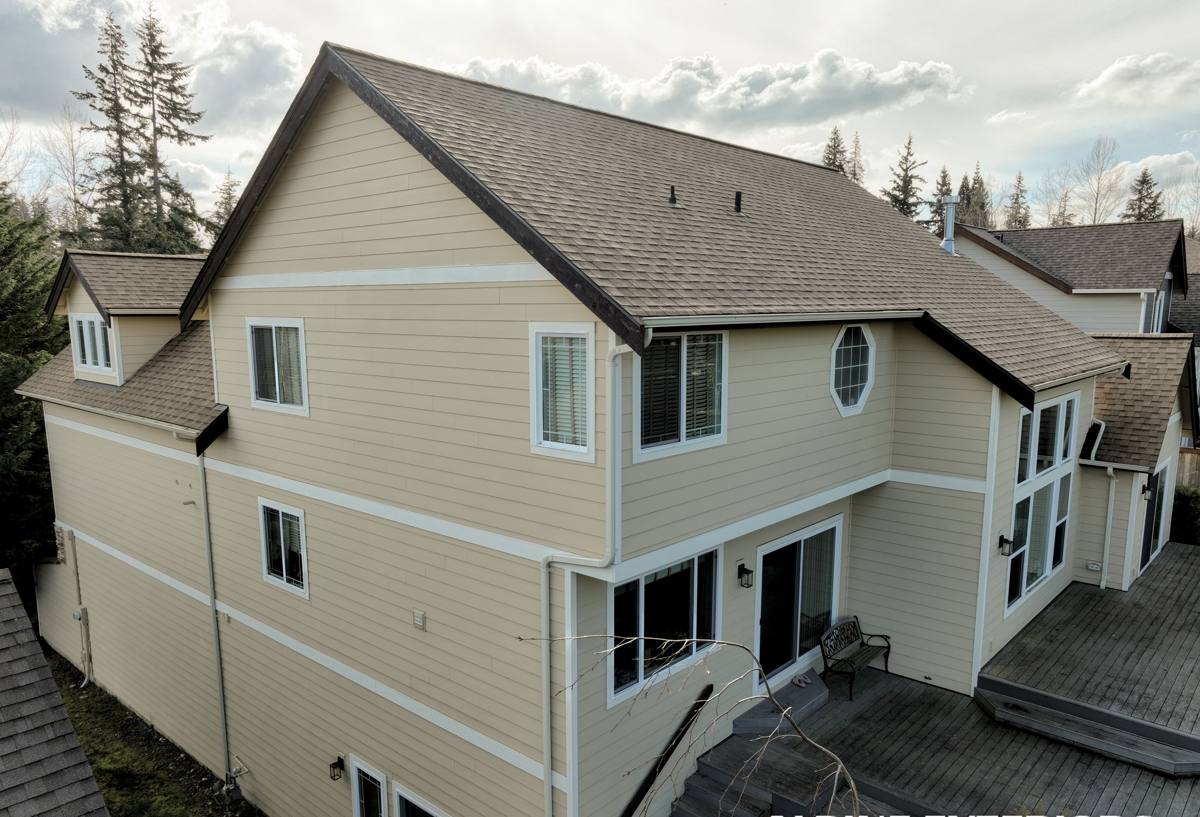
Coachman Ridge is an established residential neighborhood, and the homes here reflect the mix of styles common across Clearwater's older and mid-century suburban pockets. Whatever your home's footprint and yard layout, the deck should be designed around how your family actually uses the outdoor space — morning coffee, evening grilling, hosting, or just a quiet place to sit that isn't the front porch.
Ground-Level vs. Elevated Decks
Many Clearwater lots are flat enough that a low, ground-hugging deck makes the most sense structurally and visually — fewer stairs, less railing to maintain, and a lower profile that sheds wind more easily. Homes with sloped rear yards, walkout levels, or a desire to connect a second-story living area to the outdoors need an elevated deck instead, which brings in more structural engineering: taller footings, stronger guardrails, and stair construction that has to meet code on its own.
Sun Exposure and Shade Planning
Florida sun is not gentle, and a deck with no shade plan often ends up unused for half the year because the surface and railings are too hot to touch by midday. Before we finalize a layout, we talk through orientation, existing tree cover, and whether a pergola, shade sail, or roof extension should be part of the plan — even if it's a later phase rather than part of the initial build.
Should You Screen or Cover Your Deck?
Plenty of homeowners in this part of Florida choose to screen in a new deck or add a solid roof over at least part of it, and it's worth thinking through before construction starts rather than after. A screen enclosure keeps mosquitoes and windblown debris out and cuts glare, but it changes the framing requirements and has its own permitting path. A partial roof or covered section gives you shade and some protection from sudden afternoon downpours — a near-daily occurrence here for parts of the year — without fully enclosing the space. Neither is required, but if there's a chance you'll want one down the road, it's far cheaper to plan the footings and framing for it now than to retrofit later.
Choosing Decking Material That Survives Florida Weather
Material choice matters more here than almost anywhere else in the country. UV breaks down finishes and plastics faster in Florida's sun, humidity keeps wood damp longer between rain events, and salt air accelerates corrosion on anything metal. Here's how the common options compare for a Coachman Ridge backyard:
| Material | UV & Fade Resistance | Moisture/Rot Resistance | Heat Underfoot | Relative Upfront Cost |
|---|---|---|---|---|
| Pressure-treated pine | Fades and grays without regular sealing | Good if sealed and detailed correctly; poor if neglected | Moderate | Lower |
| Capped composite | Strong, color-stable for years | Excellent — won't rot or absorb water | Can run hot in direct sun; lighter colors help | Higher |
| Tropical hardwood (ipe, cumaru) | Very good; grays gracefully if left unsealed | Excellent, naturally dense and rot-resistant | Stays cooler than composite | Higher |
| PVC/aluminum decking | Excellent, does not fade like wood | Excellent, immune to rot | Varies by product and color | Highest |
There's no universally "correct" answer — it depends on your budget, how much upkeep you're willing to do, and how the deck will be used. What we won't do is talk you into a product that isn't a good fit for our climate just because it's cheaper up front. A wood species or composite line that isn't rated for high-UV, high-humidity environments will show it within a season or two, and we'd rather set that expectation before the build than after.
The Structural Work Nobody Sees (But That Matters Most)
The decking boards are what you notice day to day. The framing underneath is what determines whether the deck is still safe and level in five years — or still standing after the next storm.
Fasteners and Hardware That Won't Rust
Standard galvanized fasteners can start corroding within a couple of years in a coastal-influenced climate like ours, especially anywhere salt air reaches. We use stainless steel or coated fasteners and connectors rated for coastal exposure, because a rusted joist hanger or corroded ledger bolt is a structural failure waiting to happen, not just a cosmetic issue.
Footings Built for Wind Uplift, Not Just Weight
A lot of deck failures in Florida aren't about the structure collapsing under weight — they're about wind getting underneath the deck and lifting it. Footing depth, post anchoring, and hurricane-rated connectors between posts, beams, and joists all need to account for uplift forces, not just downward load. This is one of the details that separates a deck that survives storm season from one that doesn't.
Ledger Board Attachment and Flashing
If your deck attaches to the house, the ledger board connection is one of the most important — and most commonly botched — parts of the build. It has to be properly flashed to keep wind-driven rain from working its way behind the siding and into the wall framing. A poorly flashed ledger board is a slow, hidden water intrusion problem that can take years to show up and be expensive to fix once it does.
Permits, Inspections, and Local Code
Deck permits and inspections exist for a reason in this part of Florida — wind load and structural connection requirements are stricter here than in a lot of the country because they have to be. Most new decks, and any elevated deck, will require a permit, a code-compliant footing and framing plan, and inspections at the footing stage and again once framing is complete before decking goes down. Railing height, baluster spacing, and stair geometry all have to meet code as well, particularly on elevated decks where a fall is a real risk.
We handle the permitting and inspection scheduling as part of the job so you're not the one tracking down inspectors or decoding code language. If your section of Coachman Ridge falls under a homeowners association with its own design guidelines, we're happy to work within those requirements too — just let us know up front so we can plan the design around them from the start.
How We Build Your Deck, Start to Finish
- Site visit and design conversation — we look at your yard, discuss how you'll use the space, sun exposure, and material preferences.
- Plan and proposal — a clear layout, material selection, and pricing before any work starts, with honest ranges rather than a lowball estimate that grows later.
- Permitting — we prepare and submit what's required and schedule the inspections.
- Footings and framing — footings sized for wind uplift, the ledger board properly flashed if applicable, hurricane-rated connectors throughout.
- Decking installation — boards spaced and fastened for proper drainage and expansion, which matters given Florida's humidity swings.
- Railings and stairs — built to code height and spacing, with hardware rated for coastal exposure.
- Final inspection and walkthrough — we go over care and maintenance specific to whatever material you chose before we consider the job done.
Keeping Your New Deck Looking Right Through Salt Air and Summer Sun
Every decking material needs some upkeep in this climate — the amount just varies. A short seasonal routine goes a long way toward protecting the investment:
- Rinse off salt residue and pollen buildup with a hose periodically, especially after windy stretches
- Sweep leaf and debris buildup out of the gaps between boards so moisture doesn't sit trapped underneath
- Reseal or oil wood decking on the schedule appropriate to the species — don't wait until it's already grayed and cracking
- Check railing posts and stair connections for looseness once or twice a year, particularly after a named storm
- Inspect the ledger board area near the house for any staining or soft wood, which can indicate a flashing problem
- Trim back vegetation that holds moisture against the deck framing or blocks airflow underneath
Why Hire a Crew That Already Works Coachman Ridge
Building a deck that lasts in Clearwater isn't just about general carpentry — it's about knowing how this specific climate treats specific materials and connections over time. We've seen which fastener grades hold up, which sealants actually survive a Florida summer, and which framing details prevent the wind-uplift and water-intrusion problems that show up years down the line, not on day one. Working regularly in this area also means we're familiar with Pinellas County permitting expectations and typical inspection timelines, so there are fewer surprises and delays once your project is underway.
A deck is a significant investment, and it's difficult and expensive to fix properly once it's built wrong. Getting the material choice, structural details, and code compliance right from the start is what separates a deck you enjoy for a couple of decades from one you're patching every other year.
If you're considering a new deck or replacing an aging one in Coachman Ridge, we're glad to come take a look, walk the space with you, and put together a straightforward, no-pressure estimate — use the form below to get started.