 Clearwater Roofing
 Oldsmar's Climate Is Hard on Windows
Oldsmar sits on Tampa Bay in Pinellas County, which means every window on your home is dealing with a combination most manufacturers don't design for by accident: hurricane-force wind gusts during storm season, wind-driven rain that gets pushed sideways into frames and seals, salt-laden air rolling in off the bay, and some of the most intense year-round UV exposure in the continental United States. None of these are occasional stressors here — they're constant, and they compound. A window that's rated fine for a mild inland climate can fail years early once you put it through a Pinellas County summer and hurricane season on repeat.
That's the backdrop for every custom window job we do in Oldsmar. "Custom" isn't a marketing word for us — it means the window is sized, specified, and installed to match your home's actual openings, orientation, and exposure, not pulled off a generic size chart and caulked into place.
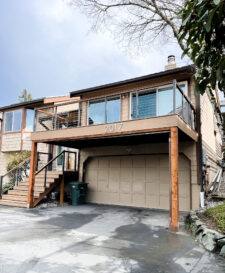
What Makes a Window Installation "Custom" in Oldsmar
Very few homes in this area have perfectly square, standard-sized openings, especially once a house has settled or been through a prior renovation. Custom windows are built to the exact measurements of your opening rather than forcing your opening to fit a stock size. That matters for two reasons: a properly sized unit seals tighter against wind and rain, and it doesn't require the kind of shimming, filler strips, or oversized trim work that creates weak points later.
Older Homes vs. Newer Construction
Oldsmar has a mix of older block homes with original single-pane aluminum windows and newer construction built under more recent Florida Building Code cycles. Older homes typically need the most attention — the original openings often weren't framed with today's wind and moisture standards in mind, so getting a new window to perform correctly usually means addressing the framing, flashing, and stucco or siding transition around the opening, not just swapping glass. Newer homes are more straightforward, but even code-compliant openings from ten or fifteen years ago may not match current wind-load requirements if you're upgrading.
Frame Materials and Glass: What Actually Holds Up
We get asked constantly which frame material is "best." The honest answer is that it depends on your budget, your home's style, and how much maintenance you're willing to do. Here's how the common options actually compare in a coastal Pinellas County environment:
| Frame Material | Salt Air / Corrosion Resistance | Maintenance | Typical Lifespan Here |
|---|---|---|---|
| Vinyl | Excellent — won't corrode or pit | Low — occasional cleaning | 20-30 years |
| Aluminum | Fair — can pit and corrode near the bay without coatings | Moderate — needs periodic inspection of finish | 15-25 years, shorter untreated near open water |
| Fiberglass | Excellent — very stable, resists warping and corrosion | Low | 25-35 years |
| Wood-composite | Good on exterior face, but core needs protection from moisture | Higher — sealant and finish upkeep | 20-30 years with maintenance |
Glass matters as much as the frame. In this climate we generally recommend impact-rated laminated glass with a Low-E coating — the lamination holds the glass together under wind-borne debris impact, and the coating cuts down the solar heat gain that drives up cooling costs. Tinted or reflective options can help further on west- and south-facing walls that take the brunt of Florida's afternoon sun.
Impact Ratings and Florida Building Code in Pinellas County
Pinellas County falls within Florida's wind-borne debris region, which means most window replacements here need to meet impact standards or be paired with approved protection, permitted and inspected under the Florida Building Code. The exact wind-load rating required for your home depends on factors like your specific wind speed line, exposure category, and the size and location of each opening — this isn't a one-size-fits-all number, and it's part of what we work out during the estimate rather than guessing off a general chart.
If you go with impact-rated glass, you generally don't need separate storm shutters for that opening, which a lot of Oldsmar homeowners appreciate since it means one less thing to deploy before a storm. If you choose non-impact glass instead, your permit will typically require an approved shutter or panel system for each of those openings to meet code.
How Our Custom Window Process Works
- On-site assessment. We measure every opening individually, check the framing and substrate for existing moisture or structural issues, and note your home's specific exposure (bay-facing walls, shaded sides, etc.).
- Product selection. We go over frame material, glass package, and operating style (single-hung, casement, sliding, and so on) based on your home's architecture, budget, and how each room is used.
- Permitting. We handle the permit application and make sure the specified products carry the required product approval for your wind zone before anything is ordered.
- Removal and prep. Old units come out carefully, and we inspect the opening for rot, corrosion, or water damage before anything new goes in — this step gets skipped by rushed installers and it's usually where problems start.
- Installation and flashing. Each window is set plumb and level, mechanically fastened per the manufacturer's and code's specifications, and properly flashed and sealed to shed water away from the wall assembly.
- Final inspection and walkthrough. We confirm operation, seals, and finish work, and the permitted job goes through its required inspection.
Common Window Problems We Find on Oldsmar Homes
A few issues show up repeatedly on window jobs in this part of Pinellas County:
- Original aluminum single-pane windows with pitted, corroded frames from decades of salt air exposure
- Cracked or separated caulking and sealant around openings, letting wind-driven rain track into the wall cavity
- Stucco or siding around the window frame that's cracked or separated, often the real source of a "window leak"
- Foggy or hazy double-pane glass, meaning the seal between panes has failed and the insulating gas has escaped
- Windows that were installed slightly out of square, causing them to stick, bind, or no longer latch fully — a security and storm-readiness issue as much as a comfort one
Most of these aren't visible from a quick look at the glass itself, which is why an honest assessment starts with the framing and the wall around the opening, not just the window unit.
Energy Efficiency: Lower Bills in a Hot, Humid Climate
Air conditioning runs nearly year-round here, and older or failing windows are one of the biggest hidden contributors to that bill. Single-pane glass and gapped, poorly sealed frames let conditioned air escape and let solar heat pour in, especially on west-facing rooms in the afternoon. A properly installed, insulated-frame window with Low-E glass reduces that heat transfer significantly and takes some of the load off your HVAC system. It also cuts down on the humidity infiltration that drives mold and mildew growth in Florida homes — a well-sealed window is doing double duty as both an energy upgrade and a moisture-control measure.
Maintaining Your New Windows
Even a well-installed, high-quality window needs some basic upkeep to get its full lifespan in a salt-air, high-UV climate:
- Rinse frames and tracks periodically to remove salt residue, especially on homes closer to the bay
- Inspect exterior caulking and sealant once a year, and re-seal any cracked or separated joints before rainy season
- Clean weep holes (the small drainage openings at the bottom of the frame) so water doesn't pool inside the track
- Lubricate hardware on operable windows to keep locks and latches working smoothly, which matters for storm security
- Watch for condensation between panes on double-glazed units — it signals a failed seal, not something you can fix with cleaning
Why Hire a Crew That Already Works Oldsmar and Pinellas County
A window that's correctly rated on paper can still fail if it's installed wrong — most leaks and storm damage we're called out to repair trace back to installation shortcuts, not the product itself. A crew that regularly works in this area already knows the local permitting process, understands what Pinellas County inspectors are looking for, and has seen firsthand how the mix of salt air, sun, and storm exposure actually plays out on homes here over time. That local experience shows up in the details: how the flashing is lapped, how the opening is prepped, and whether the product specified actually matches what your specific wind zone requires — not just what looks good in a showroom.
If you're weighing a window replacement or upgrade for your Oldsmar home, we're happy to walk the property, look at your existing openings, and give you a straightforward, no-pressure estimate — just fill out the form below to get started.