 Clearwater Roofing
 Building Decks That Actually Hold Up in Countryside
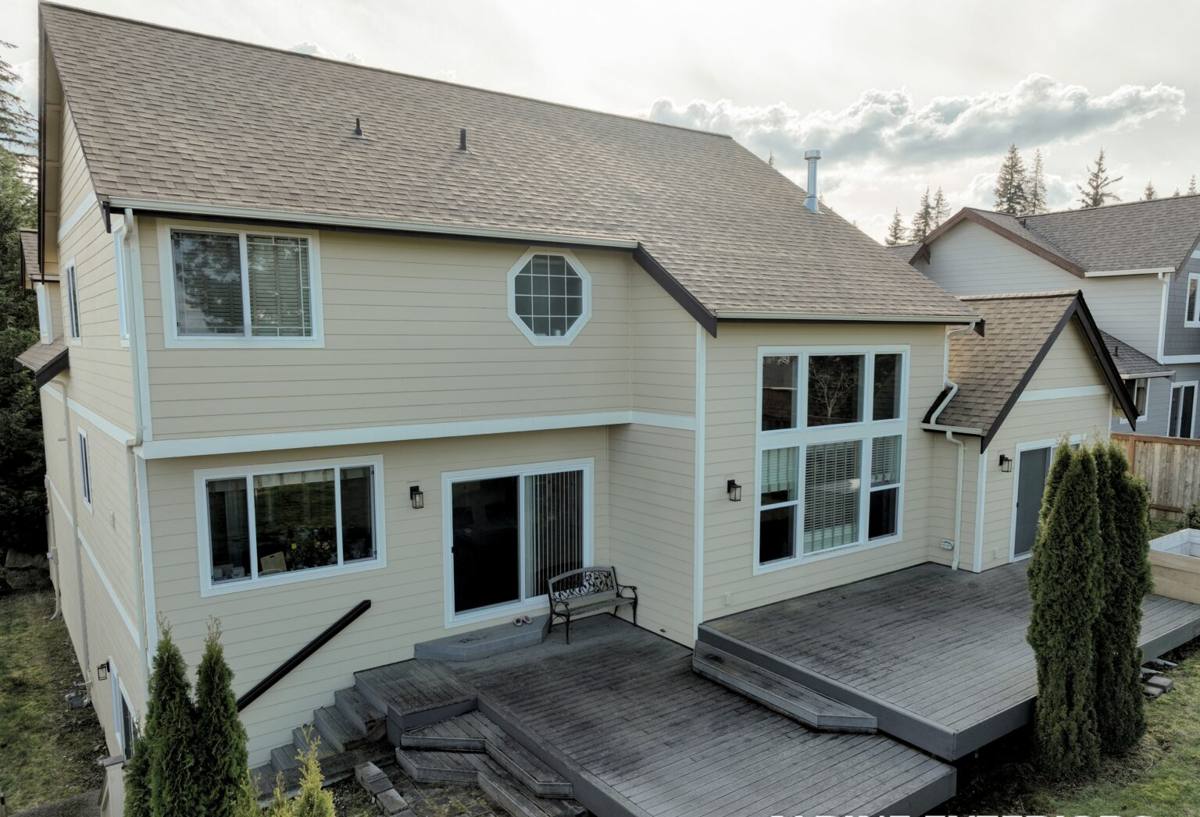
Countryside is one of Clearwater's larger established residential areas, with a mix of homes built across several decades and lot layouts that range from tight, tree-shaded backyards to open spaces backing up to retention ponds and green space. A deck here has to do two jobs at once: give the household usable outdoor living space, and survive a Pinellas County climate that is genuinely hard on exterior wood and hardware. We build custom decks specifically for that combination — not a generic design dropped onto a Florida lot, but a structure sized, fastened, and finished for what actually happens to it here.
A deck that looks right at installation and starts failing in three years isn't a deal — it's a second project you'll pay for twice. Our approach is to get the structural and material decisions right the first time, because those are the decisions that are expensive and disruptive to fix later.
What Clearwater's Climate Actually Does to a Deck
Every exterior structure in this part of Florida is fighting the same four things, and a deck sits outside year-round with no roof over it, so it takes the full brunt.
UV Exposure
Central Florida sun is intense nearly all year, not just in summer. Untreated or poorly finished wood grays and checks quickly, and lower-grade composite boards can fade unevenly, especially on the sun-facing side of a deck versus the shaded side under an overhang or large tree.
Wind-Driven Rain
Afternoon storms in this area don't fall straight down — wind pushes rain sideways and up under boards, into fastener holes, and against ledger connections. Decking and framing need to shed and drain that water, not trap it, or you get rot and hardware corrosion from the inside out where you can't see it.
Hurricane-Force Wind
Pinellas County sits in a wind zone where storm gusts have to be accounted for in how a deck is framed and attached to the house, not just how it's decked on top. Railings, stair connections, and the ledger-to-house attachment are the parts that fail first in high wind if they were built to a minimum-effort standard.
Salt Air
Countryside is inland relative to the Gulf beaches, but salt-laden air still moves across the whole county, especially with onshore wind patterns. Standard steel screws and brackets corrode faster here than the same hardware would in a drier, inland climate — it's a slower version of the same problem coastal properties deal with more severely.
Choosing the Right Decking Material
There's no single "best" decking material — there's a best fit for your budget, how much upkeep you want to do, and how the deck will be used. We'll walk through real trade-offs rather than steer you toward whatever is easiest for us to install.
| Material | Upfront Cost | Maintenance | How It Handles Our Climate |
|---|---|---|---|
| Pressure-treated pine | Lowest | Annual cleaning, re-sealing every 1-2 years | Affordable and repairable, but needs consistent upkeep or it grays, splits, and cups under UV and moisture cycling |
| Composite decking | Mid to high | Occasional washing, no staining or sealing | Handles UV and moisture well; quality varies by product line, so board density and cap construction matter |
| PVC/cellular decking | Highest | Lowest — wipe-down cleaning only | Fully moisture-resistant with no wood fiber to rot; strong choice for humid, rain-heavy conditions |
| Tropical hardwood (e.g., ipe) | High | Periodic oiling to maintain color | Naturally dense and rot-resistant, but requires more careful, experienced installation |
We don't push cellular PVC or high-end composite as the only "correct" answer — plenty of Countryside homeowners are perfectly happy with a well-built pressure-treated deck that they're willing to maintain. What we do insist on is being honest about the maintenance commitment each material actually requires before you commit to it.
Framing, Fasteners, and Structure — Where Decks Actually Fail
The decking surface is what you see; the framing underneath is what determines whether the deck is still standing and safe in ten or twenty years. This is where corners get cut on low-bid jobs, and it's rarely visible until something goes wrong.
Ledger Attachment
The ledger board — where the deck ties into the house — is the single most safety-critical connection on an attached deck. It needs proper flashing to keep water out of the house wall, and lag bolts or through-bolts rated for the load, not just nailed on.
Footings and Posts
Florida's water table and soil conditions mean footing depth and concrete work matter more than they might in a drier climate. Undersized or shallow footings are a common shortcut that shows up as a wobbly or settling deck within a few seasons.
Fastener Selection
Given the salt air and humidity, we use stainless steel or coated fasteners rated for corrosion resistance rather than standard galvanized hardware, particularly for structural connections and anything embedded in ground contact.
Railing and Guard Systems
Railings take direct wind load and also need to meet Florida Building Code height and baluster spacing requirements. We build these to code, not to the minimum that happens to pass a casual glance.
Design Choices That Work for Countryside Yards
Countryside lots vary — some are shaded by mature trees, others are more open. Good design responds to the actual yard rather than applying one template everywhere.
Multi-Level and Wraparound Layouts
Homes with sloped grading or a walkout lower level often do well with a multi-level deck that follows the terrain instead of one flat platform, giving you distinct zones for dining, lounging, and grilling.
Screened and Covered Options
Pairing a deck with a screen enclosure or a partial roof cuts down on both direct UV exposure and wind-driven rain intrusion, extending how much of the year the space is actually comfortable to use.
Shade and Privacy
Pergolas, privacy screening, and strategic railing placement can address both the intense midday sun and sightlines to neighboring yards, which matters more in denser residential sections of Countryside.
How Our Process Works
- On-site assessment — we look at your yard's grading, sun exposure, drainage, and how the deck will attach to your home before recommending a layout.
- Design and material selection — we walk through decking, railing, and structural options with honest cost and maintenance trade-offs for your specific priorities.
- Permitting — we handle the permit application and coordinate required inspections with Pinellas County or the City of Clearwater, whichever applies to your property.
- Construction — framing, ledger attachment, footings, decking, and railing installed in sequence, with structural connections done before decking goes down so nothing is hidden or rushed.
- Final walkthrough — we go over the finished deck with you, including care instructions specific to the material you chose.
Permits and Code in Pinellas County
Most attached decks and any elevated deck require a building permit, along with inspections at key stages such as footings and framing before decking is installed. Permit requirements and setback rules can vary depending on whether your property falls under Clearwater city jurisdiction or unincorporated Pinellas County, and some Countryside neighborhoods also have HOA design guidelines on top of that. We pull the correct permits and build to current Florida Building Code wind and structural requirements rather than treating permitting as optional paperwork.
Maintaining Your Deck in This Climate
Even a well-built deck needs some regular attention here — the climate doesn't let anything coast on a "set it and forget it" basis. A simple seasonal routine goes a long way:
- Sweep off debris and standing organic matter regularly so it doesn't trap moisture against the boards
- Check and re-tighten any hardware that's loosened, especially on railings and stairs
- For wood decks, inspect the finish annually and re-seal or re-stain before graying and checking set in
- Rinse composite or PVC decking periodically to prevent pollen, mildew, or salt residue buildup
- Confirm gaps between boards remain clear so water drains through rather than pooling
- After major storms, do a quick visual check of railings, stairs, and the ledger connection
Why a Crew That Already Works in Countryside Matters
A deck built for this specific area benefits from a contractor who already understands how Pinellas County permitting works, what local soil and drainage conditions tend to look like, and which material and fastener choices actually hold up against Gulf Coast humidity, UV, and storm exposure — instead of a crew applying assumptions from a different climate. That local familiarity shows up in fewer surprises during permitting, fewer callbacks for hardware corrosion or finish failure, and a deck that's sized and framed correctly for the wind loads this area actually sees.
If you're considering a custom deck for your Countryside home, we're glad to walk your property, talk through material and design options honestly, and put together a free, no-pressure estimate — just fill out the form below to get started.