 Clearwater Roofing
 Building Decks That Actually Hold Up in Largo
Largo sits close enough to Tampa Bay and the Gulf that every outdoor structure on your property deals with the same three stresses year-round: salt-laden air, relentless UV exposure, and the wind-driven rain that comes with Pinellas County's storm season. A deck that looks great the day it's finished but wasn't built with those conditions in mind will start showing problems within a couple of seasons — loose fasteners, cupped boards, soft spots at the ledger, corrosion streaks on hardware. We build decks for Largo homeowners with that reality baked into the design from the start, not treated as an afterthought.
This page covers what a custom deck built for this specific area actually needs, what separates a correctly built deck from one that just looks finished, and how we run the job from first conversation to final walkthrough.
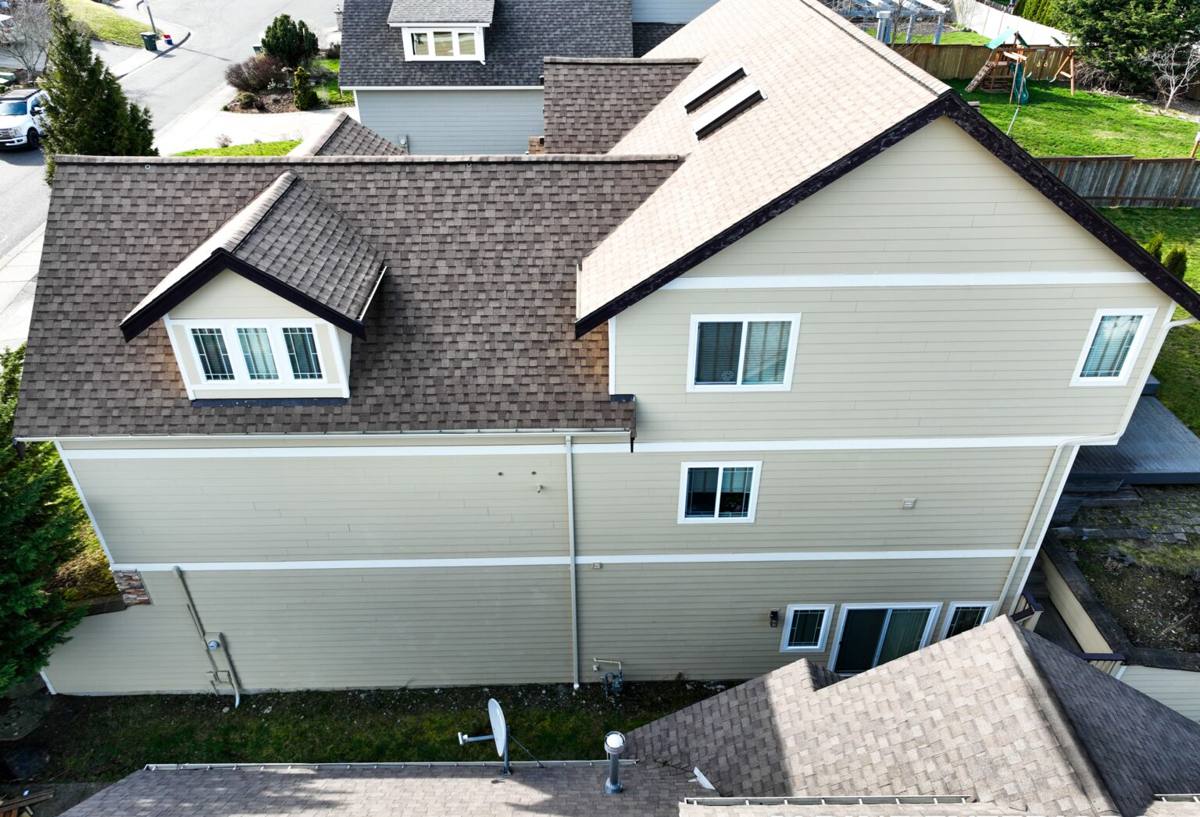
What Largo's Climate Does to an Outdoor Deck
Every material choice and construction detail on this page traces back to a handful of local conditions:
- Hurricane-force wind loads: Deck framing, railing posts, and especially attachment points need to handle uplift and lateral loads, not just standing weight. This matters most where the deck attaches to the house and at any elevated or multi-level structure.
- Intense, near-constant UV: Florida sun degrades unprotected wood fiber and breaks down lower-grade composite and plastic products faster than in northern climates. Color fade, surface chalking, and early brittleness are common on materials chosen without UV resistance in mind.
- Wind-driven rain: Storms here don't just fall straight down — rain gets driven sideways and underneath structures, which means flashing, drainage, and gap spacing all have to be treated as functional requirements, not finishing details.
- Salt air: Even a few miles inland from the Bay, airborne salt accelerates corrosion on fasteners, brackets, and any exposed metal hardware. Standard hardware-store fasteners corrode faster here than in a landlocked market.
None of this means a deck can't hold up in Largo — it means the build has to account for these forces rather than use standard specs pulled from a generic plan.
Choosing the Right Decking Material
There's no single "best" decking material — every option is a trade-off between upfront cost, maintenance commitment, and how it behaves in coastal Florida conditions. Here's how the common choices stack up for a Largo property:
| Material | Upfront Cost | Maintenance | How It Handles Local Conditions |
|---|---|---|---|
| Pressure-treated pine | Lowest | Annual sealing/staining recommended | Affordable and repairable, but needs consistent upkeep or it will gray, cup, and split under UV and humidity swings |
| Tropical hardwood (e.g., ipe) | High | Periodic oiling to maintain color | Naturally dense and rot-resistant; performs well in salt air but is unforgiving to install — fastening and spacing mistakes show up fast |
| Capped composite | Mid-high | Low — occasional washing | Good UV and moisture resistance when it's a quality capped product; lower-grade uncapped composite fades and can absorb moisture at cut ends |
| PVC decking | High | Low | Fully synthetic, doesn't absorb moisture, holds color well under heavy UV — a strong fit for this climate, at a higher material cost |
We'll walk through these trade-offs honestly based on your budget and how much upkeep you actually want to do. If a lower-maintenance product costs more upfront but saves you from re-staining a deck every year in Florida heat, we'll say so. If a traditional wood deck fits your budget and you're fine with the maintenance, we'll build that well too — the goal is matching the material to how you'll actually use and care for the space.
A Note on Composite Quality
Not all composite decking is built the same. Fully capped boards with UV-stabilized shells hold up far better under Florida sun than older-generation uncapped composite, which can fade unevenly and take on moisture at exposed cut edges over time. When we spec composite for a Largo deck, we detail cut ends and fastener penetrations to keep moisture out rather than treating the board as maintenance-free everywhere.
What a Correctly Built Deck Requires Here
The visible decking is maybe a third of what determines how long a deck lasts in this climate. The parts you don't see matter more:
Framing and Fasteners
We use fasteners and structural connectors rated for coastal exposure — standard zinc-coated hardware corrodes faster in salt air and becomes a hidden failure point years before the visible decking shows wear. Joist hangers, ledger bolts, and post bases are places we don't cut corners, because they're the hardest to inspect once the deck is finished.
Ledger Attachment and Flashing
Where a deck attaches to the house is the single most common failure point on decks we're called to repair or rebuild. Proper flashing keeps wind-driven rain from working its way behind the ledger board and into the house structure — this is a detail that's easy to skip and expensive to fix later.
Footings and Post Bases
Footings need to be sized and set to local frost-free, wind-load standards, with post bases that keep wood from sitting in standing water after a downpour. Pinellas County's sandy soils and heavy seasonal rain both factor into how we size and place footings.
Railing and Structural Connections
Railings and stair systems take direct wind loading during storms. We build these to code minimums as a floor, not a ceiling, especially on elevated decks or homes near open water where wind exposure is higher.
Permits and Inspections
Largo deck construction typically requires a permit and inspection through the applicable local building department. We handle that process as part of the job — it's not an optional step, and skipping it can create real problems if you ever sell the home or file an insurance claim.
Our Process
- On-site consultation: We walk your property, talk through how you'll use the deck, and assess sun exposure, drainage, and existing structure.
- Design and material selection: You get a clear layout and an honest rundown of material options and their trade-offs for your budget and maintenance preference.
- Permitting: We prepare and submit the permit package and coordinate required inspections.
- Site prep and framing: Footings, posts, and framing go in first, built to the loads this climate demands, not just minimum code.
- Decking, railing, and finish work: Surface material, railings, stairs, and any built-in features are installed and detailed.
- Final walkthrough: We go over the finished deck with you, confirm everything meets the plan, and cover basic care for whatever material you chose.
Mistakes We See on Existing Largo Decks
When we're called out to inspect or repair a deck that's failing early, the causes are consistent:
- Standard hardware used instead of corrosion-resistant fasteners, leading to rust staining and weakened connections within a few years
- Missing or poorly installed ledger flashing, allowing water intrusion at the house connection
- Decking boards installed with tight spacing that doesn't allow for expansion or drainage, trapping moisture and debris
- Footings undersized for the structure's actual wind and load exposure
- Lower-grade composite or uncapped products chosen for cost, then failing early under constant UV
Almost all of these are avoidable with the right upfront decisions — which is the point of building it right the first time.
Maintenance Checklist for a Coastal Deck
Whatever material you choose, a little regular care goes a long way in this climate:
- Rinse salt residue and debris off the deck surface periodically, especially after storms
- Inspect and tighten hardware at railings and stairs at least once a year
- Check the ledger and flashing area for signs of moisture staining
- Re-seal or re-stain wood decking on the schedule your material requires — don't wait until it visibly grays
- Keep gutters and nearby drainage clear so water isn't pooling near footings
- Watch for soft spots, popped fasteners, or discoloration and address them early rather than waiting
What Affects the Cost of a Custom Deck
| Factor | Why It Matters |
|---|---|
| Size and footprint | Larger decks mean more framing, footings, and decking material |
| Material choice | Pressure-treated, hardwood, composite, and PVC span a wide cost range, as shown above |
| Height and elevation | Elevated decks need more substantial framing, stairs, and railing to meet wind and safety requirements |
| Site access and prep | Sloped yards, existing landscaping, or limited access can add labor time |
| Custom features | Built-in seating, multi-level layouts, or pergola structures add design and construction complexity |
| Permitting requirements | Larger or elevated structures may require additional engineering review |
We'll give you a clear written estimate before any work starts, broken down so you understand what you're paying for.
Why a Local Crew Matters
A crew that regularly builds decks in Largo and the surrounding Clearwater area already knows the local permitting process, the wind and load requirements that apply here, and which materials actually perform under this specific combination of sun, salt, and storm exposure. That's different from a generic build plan applied the same way regardless of climate. We're not guessing at what holds up here — it's the standard we build to on every job in this area.
If you're planning a new deck or replacing one that's showing its age, we're happy to take a look and give you a straightforward, no-pressure estimate. Use the form below to get started.