 Clearwater Roofing
 Building Decks for Skycrest's Climate
Skycrest sits close enough to the Gulf and Old Tampa Bay that every outdoor structure in the neighborhood deals with the same conditions: long stretches of intense UV, sudden wind-driven rain, salt-laden air, and the occasional hurricane-force gust that tests every fastener and footing. A deck built to a generic national standard will show its age fast here — cupped boards, rusted hardware, and loose railings are common sights on decks that weren't specified for this environment. A deck built correctly for Skycrest looks and performs the same way in year eight as it did in year one.
This page covers what a custom deck project actually involves for a Skycrest home — the material choices, the structural details that matter in a hurricane-exposed part of Pinellas County, and how we run the job from first visit to final walkthrough.
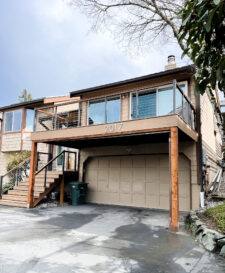
What Skycrest Homes Need From a Deck
Most Skycrest lots are modest in size with older concrete block homes, mature landscaping, and a mix of slab-on-grade and pier-and-beam foundations. That combination shapes a few practical requirements for any deck built here:
- Fasteners and structural connectors rated for coastal exposure — standard zinc-coated hardware corrodes faster in salt air than most homeowners expect.
- Ledger and post connections engineered for uplift, not just downward load, since wind is the force that actually pulls decks apart in a storm.
- Decking material that tolerates constant sun without excessive surface heat, fading, or splintering.
- Drainage and grading that moves wind-driven rain away from the house rather than pooling near the foundation.
- A finish or material system that doesn't demand a maintenance schedule the homeowner won't actually keep up with.
None of this is exotic. It's standard coastal construction practice — but it only shows up in the final product if it's specified correctly from the start.
Decking Material Options
Composite Decking
Composite is the most common recommendation we make for Clearwater decks, including in Skycrest. Modern capped composite boards resist moisture absorption, don't splinter, and hold their color better than older composite generations under constant Florida sun. The trade-off is upfront cost — composite runs higher per square foot than wood — but it removes the annual sanding, staining, and sealing cycle that Pinellas County's UV and humidity make almost mandatory for wood decks.
Pressure-Treated Wood
Pressure-treated pine is the budget-friendly option and remains a solid structural choice for framing regardless of what decking material sits on top. As a surface material, it requires real upkeep in this climate — a fresh sealant coat every year or two to keep UV and moisture from graying and checking the boards. We're honest with clients about that maintenance burden upfront rather than letting it become a surprise.
Tropical Hardwoods
Woods like ipe or cumaru offer excellent density and natural rot resistance, and they look striking. They're also heavier, harder to fasten, and less forgiving during installation — hidden fastener systems and pre-drilling are non-negotiable, or the boards will split. We install hardwood decking when a client wants that specific look, but we set expectations on cost and the periodic oiling needed to keep the color from silvering out.
Aluminum and PVC
Less common in Skycrest but worth mentioning: PVC decking is fully synthetic and handles moisture better than composite in low-lying, drainage-challenged yards, though it can run hotter underfoot in direct sun. Aluminum decking is rare residentially here but is effectively immune to rot and insect damage if a client specifically wants a long-term, low-maintenance surface and doesn't mind the industrial look.
| Material | Upfront Cost | Maintenance | Best Fit |
|---|---|---|---|
| Pressure-treated wood | Lowest | Annual sealing/staining | Budget-conscious, DIY-friendly upkeep |
| Capped composite | Mid-high | Occasional wash, no sealing | Most Skycrest homeowners |
| Tropical hardwood | High | Periodic oiling | High-end natural-wood look |
| PVC / aluminum | Mid-high to high | Minimal | Wet yards or lowest-maintenance priority |
Structural Details That Actually Matter Here
Footings and Framing
Pinellas County's sandy soil drains well but doesn't always hold posts the way denser soils do, so footing depth and diameter need to match local code and the actual load the deck will carry — not just the minimum a builder can get away with. We size footings to the deck's height, span, and any planned features like a hot tub or pergola before framing begins.
Ledger Attachment
Where a deck attaches to the house is the single most failure-prone connection on the structure. Proper flashing keeps water from working into the ledger board and the home's wall assembly, and the fasteners at that connection need to be sized and spaced for wind uplift, not just static weight. This is also where salt-air corrosion does the most damage over time if the wrong hardware grade is used.
Railings and Guards
Florida Building Code sets minimum railing heights and baluster spacing, and Pinellas County enforces those requirements through permit inspection. We build to code as a floor, not a ceiling — railing posts get the same corrosion-resistant hardware and secure blocking as the rest of the structure, since a railing that loosens over a few seasons is both a liability and an eyesore.
Fastener and Hardware Grade
This is where corners get cut on decks that fail early in coastal Florida. Hot-dip galvanized or stainless connectors cost more than standard hardware, but in an environment with year-round salt air, the difference shows up as rust streaks and weakened connections within a few years on undersized hardware. We spec connectors rated for coastal exposure as standard practice, not an upsell.
Permitting in Clearwater and Pinellas County
Most new decks and significant deck rebuilds in Clearwater require a building permit, and inspections check footing depth, framing, ledger attachment, and railing compliance before the project is signed off. We handle the permitting process as part of the job — pulling the permit, scheduling inspections, and making sure the finished structure matches what was approved. Skipping this step is a common shortcut with unpermitted decks in older neighborhoods like Skycrest, and it becomes a real problem at resale when a buyer's inspector or the county flags work that was never inspected.
Our Process for a Skycrest Deck Project
- On-site assessment — we walk the property, look at grade, existing structures, sun exposure, and how the deck will connect to the house.
- Design and material selection — sizing, layout, and material recommendations based on how the space will actually be used and the household's maintenance appetite.
- Permitting — we prepare and submit plans to the City of Clearwater and schedule the required inspections.
- Framing and structural work — footings, posts, beams, and ledger attachment, built to the load and wind requirements for this area.
- Decking, railing, and finish work — installation of the chosen decking material, railings, stairs, and any built-in features.
- Final inspection and walkthrough — we confirm the deck passes inspection and walk the homeowner through care and maintenance specific to the material chosen.
Why Local Experience in Skycrest Matters
A crew that already works in this part of Clearwater knows the practical realities that don't show up in a spec sheet — how Skycrest's lot sizes and setbacks typically run, what the county inspectors look for during framing and final inspections, and which hardware and material choices actually hold up under this specific mix of sun, salt, and storm wind rather than just the generic Florida climate. That familiarity shortens the permitting process and avoids the trial-and-error that comes from a crew learning Pinellas County requirements on a homeowner's project.
Deck Maintenance Checklist for Skycrest Homeowners
- Rinse salt residue and debris off decking surfaces periodically, especially after storms.
- Inspect fasteners and railing connections at least once a year for rust or loosening.
- Check that ledger flashing and the house connection point stay sealed and haven't been disturbed by moisture.
- Re-seal or re-oil wood and hardwood decking on the schedule the material requires — don't wait for visible graying.
- Confirm drainage under and around the deck hasn't shifted toward the foundation after heavy rain events.
- Watch for soft spots or movement in stair stringers and posts, which often show wear before the decking surface does.
Getting Started
If you're weighing a new deck or a rebuild of an aging one in Skycrest, we're happy to walk the property, talk through material trade-offs for your specific yard and sun exposure, and give you a straightforward estimate. There's no pressure and no obligation — just fill out the form below to get started.