 Clearwater Roofing
 Dunedin Decks Face a Different Kind of Wear
Dunedin sits close enough to the water that every deck in the area is dealing with salt air, near-constant UV exposure, and the kind of sideways, wind-driven rain that Pinellas County gets during summer storms and hurricane season. None of that is unique to one house — it's the baseline condition for every outdoor structure in this part of Clearwater's service area, and it's why deck problems here tend to follow predictable patterns rather than random bad luck.
A deck built the same way in a drier, cooler climate would age very differently. Here, the combination of heat-cycling (wood and fasteners expanding and contracting daily), moisture that never fully dries out between rain events, and salt-laden air corroding metal connectors all compound each other. Repairing a Dunedin deck correctly means addressing all three, not just patching the board that looks bad.
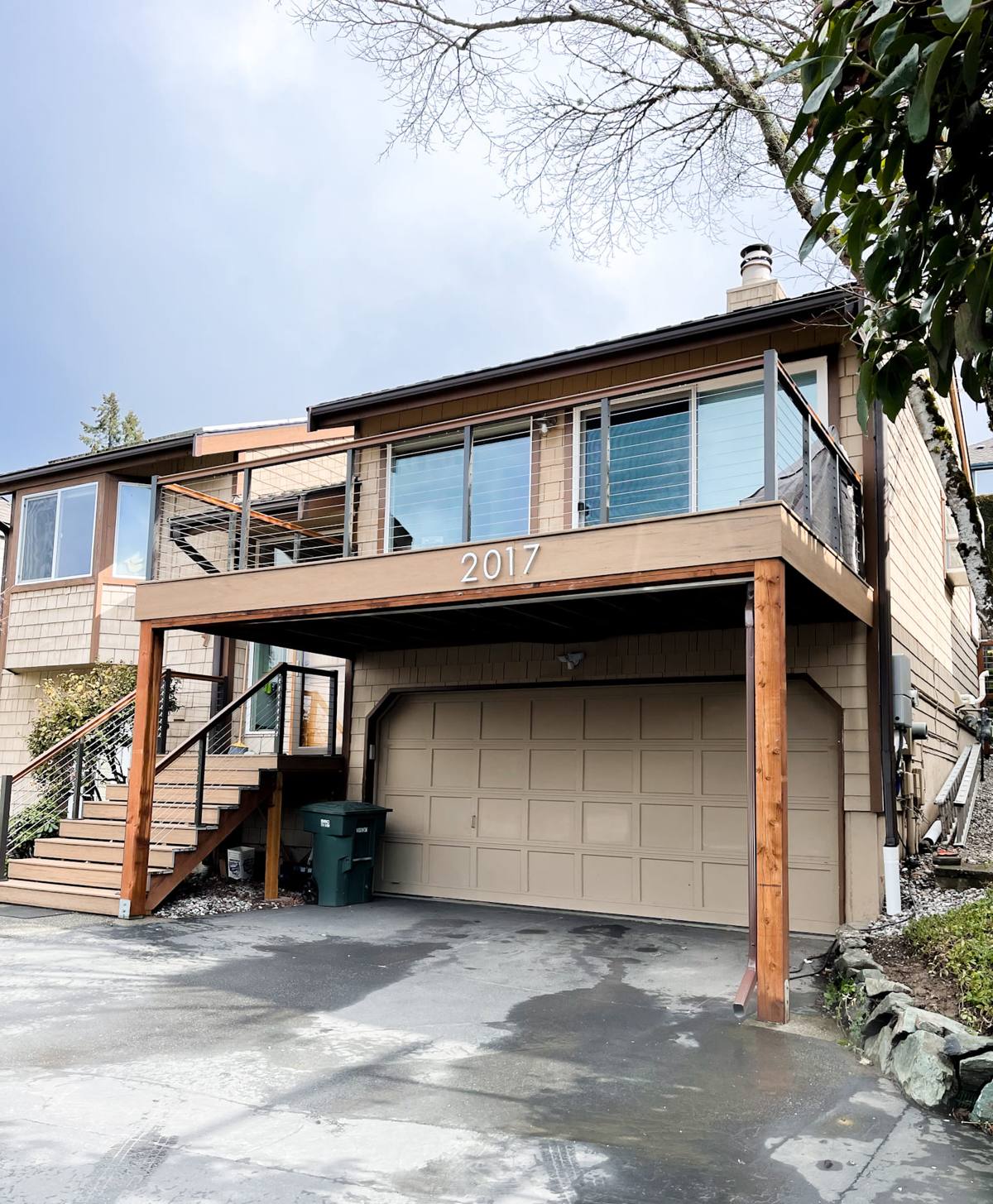
What We're Actually Finding on Dunedin Decks
Ledger Board and Attachment Point Failures
The ledger board — where the deck attaches to the house — is the single most important structural connection on most decks, and it's also the one most likely to be hidden from view. Water that gets behind flashing at this joint doesn't dry out quickly in our humidity, and over time it rots the ledger, the rim joist behind it, or both. This is a structural issue, not a cosmetic one, and it's one of the most common reasons we get called out to decks that otherwise "look fine."
Fastener and Hardware Corrosion
Salt air accelerates corrosion on any metal that isn't rated for coastal exposure. Standard galvanized joist hangers, screws, and bolts can start rusting and losing holding strength well before the wood around them shows obvious damage. A deck can look structurally sound while its actual connection points are quietly failing underneath.
Board Cupping, Splitting, and Surface Rot
Intense year-round UV breaks down the surface fibers of wood decking and dries out finishes faster than in most parts of the country. Combined with humidity that keeps boards damp between storms, this leads to cupping, splitting, and soft or spongy spots — usually starting at butt joints, around fastener heads, and near the edges where boards meet framing.
Post Base and Footing Issues
Posts that sit in or near standing water after heavy rain, or that were installed without proper post bases keeping wood off the ground, rot from the bottom up. This is a common problem on older decks built before post-base hardware was standard practice, and it's a structural safety issue, not a maintenance item.
What a Correct Deck Repair Actually Involves
A repair that only replaces the boards you can see, without checking what's underneath, is a temporary fix at best. Doing it right means working from the structure outward:
- Inspecting the ledger board connection and flashing before touching anything cosmetic
- Checking joists, beams, and posts for rot, splitting, or insect damage — not just the decking surface
- Testing hardware (hangers, bolts, screws) for corrosion and remaining holding strength, not just visible rust
- Confirming post bases keep structural wood separated from soil and standing water
- Verifying railing connections meet current height and spacing requirements, since older decks were often built to older standards
- Replacing damaged boards, framing, or hardware with materials rated for the exposure the deck actually sees
- Re-flashing any point where the deck meets the house so water sheds away from the structure instead of into it
Skipping any of these steps means the repair addresses a symptom rather than the cause, and the same problem tends to come back within a season or two — often in a worse spot.
Repair vs. Replace: How We Make the Call
Not every deck problem needs a full rebuild, and not every deck is worth patching. The honest answer depends on where the damage is and how much of the structure it's reached.
| Condition Found | Typical Approach | Why |
|---|---|---|
| Isolated board rot or splitting, framing sound | Board replacement | Structure is fine; only the wearing surface needs attention |
| Corroded hardware, framing otherwise solid | Hardware upgrade to coastal-rated connectors | Stops the failure point without disturbing sound wood |
| Ledger rot or compromised house connection | Structural repair with new flashing | This connection carries significant load and safety risk if ignored |
| Widespread joist or beam rot | Partial to full reframing | Patching individual members leaves the rest of the same-age structure at risk |
| Post/footing failure or deck is out of level | Full or near-full rebuild | Foundation-level problems undermine everything built on top of them |
We'll tell you plainly which category your deck falls into, and we won't recommend a full rebuild when a targeted repair will genuinely hold up.
Wood vs. Composite: What We Recommend and Why
Both materials have a place in a Dunedin repair or rebuild, and the right choice depends on the homeowner's priorities.
Pressure-treated wood costs less upfront and is easy to repair in sections later, but it needs regular sealing or staining to hold up against our UV and moisture combination — skip that maintenance for a couple of years and you'll see it in cupping and graying boards. Composite decking costs more initially but doesn't need refinishing, resists moisture absorption better, and holds color longer under constant sun exposure. Its main trade-off is that it can run hotter underfoot in direct summer sun and isn't a truly custom fit for every repair scenario — small color or lot variations between older and newer composite boards are worth knowing about before mixing old and new material on a repair.
Whichever material a deck already has, we work with it rather than pushing a full-material swap unless the existing decking is too far gone to make sense to save.
Permits and Code Requirements in Pinellas County
Deck repairs that involve structural framing, footings, or railing changes typically require a permit under Florida Building Code, and Pinellas County enforces this. Purely cosmetic board replacement on an otherwise sound structure often doesn't trigger the same requirement, but the line between "cosmetic" and "structural" isn't always obvious to a homeowner — and skipping a required permit can create real problems at resale or insurance renewal. Part of our process is telling you upfront whether your repair needs a permit and handling that paperwork if it does, rather than leaving you to guess.
Our Repair Process
1. On-Site Inspection
We look at the deck from the ground up — ledger connection, framing, hardware, posts, and decking — not just the parts that are visibly damaged. Rot and corrosion often extend further than what's obvious from the surface.
2. Honest Scope and Estimate
You get a clear breakdown of what actually needs repair, what's optional, and what we'd flag to watch but not touch yet. No inflated scope, no pressure toward a full rebuild if a repair will hold.
3. Repair Work
Structural issues get fixed first — framing, ledger connection, hardware — before any cosmetic decking work. We use fasteners and connectors rated for coastal, salt-air exposure, not standard interior-grade hardware.
4. Final Check
Before we consider the job done, we walk the deck with you, check railing stability and any code items, and make sure the repair addressed the actual cause of the original problem.
Why It Matters That This Is a Local Crew
A crew that regularly works Dunedin and the surrounding Clearwater area already knows what shows up on decks here — which connection points fail first in salt air, which wood species and treatments hold up and which don't, and what Pinellas County's inspectors expect to see on a permitted repair. That's the difference between a repair built for "outdoor use" in general and one built for this specific coastline. It also means we're a short drive away if a repair needs a follow-up look after a storm, not a company working from a template built for a different climate entirely.
Simple Maintenance That Extends the Life of a Repair
A good repair lasts longer with basic upkeep between visits:
- Rinse salt residue and debris off the deck surface periodically, especially after storms
- Keep gutters and downspouts clear so runoff doesn't pool near posts or the ledger connection
- Reseal or restain wood decking on the manufacturer's recommended schedule, not just when it looks faded
- Check railings for looseness at least once a year — connections work themselves loose with heat-cycling
- Trim back vegetation touching the deck to reduce trapped moisture and give wood a chance to dry between rains
- After any major storm, do a quick visual check of posts and railings before heavy use resumes
If your Dunedin deck has soft spots, rusted hardware, a shaky railing, or storm damage, we're glad to take a look and give you a straightforward, no-pressure estimate — just fill out the form below to get started.