 Clearwater Roofing
 Deck Repair Built for Seminole's Climate, Not Just a Patch Job
A deck in Seminole works harder than a deck almost anywhere inland. Between the sun overhead, the salt-laced air rolling in off the Gulf, and the wind and rain that come with a Florida storm season, the structure under your feet is under constant, quiet stress. Most deck problems we get called out for in this part of Pinellas County didn't happen overnight — they built up over a few seasons of small movement, moisture, and corrosion that nobody noticed until a board flexed, a railing wobbled, or a stair tread felt soft. Deck repair done right in Seminole means understanding that pattern and fixing the cause, not just the symptom on top.
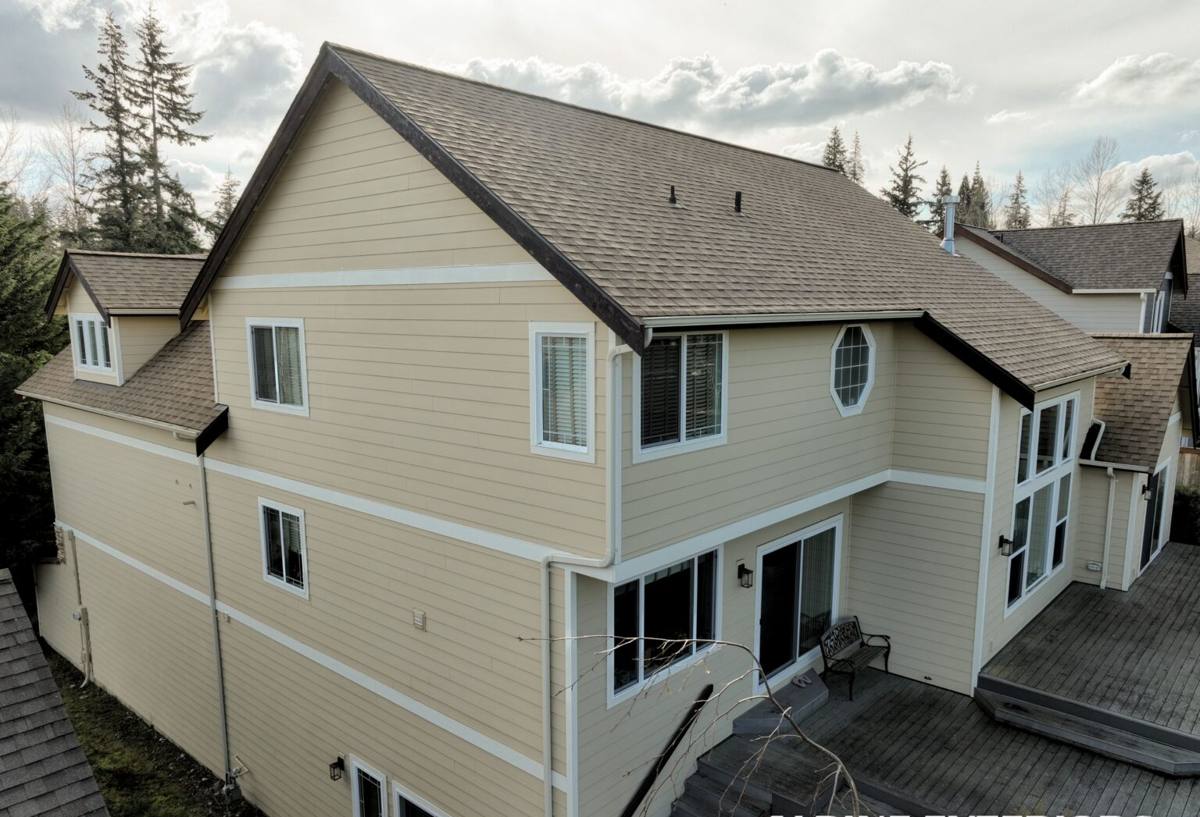
Why Decks in Seminole Wear Out Faster Than the Brochure Says
Every deck material sold in Florida is marketed as low-maintenance or weather-resistant. In a coastal Pinellas County yard, "weather-resistant" gets tested harder than it does almost anywhere else in the country. A few specific forces do most of the damage here.
Intense, Year-Round UV Exposure
Florida doesn't give wood or composite decking an off-season. Constant UV breaks down the lignin that holds wood fibers together, which is why untreated or poorly sealed boards gray, splinter, and go punky years before they should. Composite decking fades and can become brittle at the surface under the same steady sun load, especially on boards facing west or south with no shade.
Wind-Driven Rain and Humidity
Afternoon storms in this area don't just fall straight down — wind pushes rain sideways, into joints, under railings, and behind fascia boards that were never designed to shed water from that angle. Combined with our humidity, that moisture doesn't dry out quickly. Water that sits in a joist hanger or a ledger connection is doing damage long before you can see it from the surface.
Salt Air and Metal Fatigue
Even a few miles inland from the coast, salt-laden air corrodes exposed fasteners, joist hangers, and railing hardware faster than it would in a drier, inland climate. Corroded fasteners lose holding strength gradually — a deck can look solid while its connections are quietly weakening underneath.
Hurricane-Force Wind Loads
A deck attached to your home has to resist uplift and lateral loads during storm season, not just carry the weight of people standing on it. Ledger attachments, post bases, and railing posts all take real load during high wind events, and older or improperly fastened decks are the ones most likely to fail when it matters.
Signs Your Seminole Deck Needs Repair, Not Just Cleaning
Some deck problems are obvious. Others hide in plain sight until someone puts weight on the wrong spot. Watch for these before they turn into a bigger repair:
- Boards that feel spongy, springy, or noticeably softer underfoot than they used to
- Railings or posts that wiggle, lean, or feel loose when you lean on them
- Visible rust streaks or corrosion around screws, nails, or metal connectors
- Gaps opening up where the deck meets the house (the ledger board connection)
- Cracked, splitting, or cupped boards, especially on sun-facing sections
- Stairs that feel less solid than the rest of the deck, or treads that flex
- A musty smell, dark staining, or visible mold/mildew underneath the deck
- Fasteners that have backed out or "popped" above the board surface
What a Correct Deck Repair Actually Involves
A quality deck repair in Seminole starts below the surface, not with the boards you can see. We look at the whole system, because a deck is only as strong as its weakest connection.
Ledger board attachment. This is the connection between your deck and your house, and it's the single most important structural point on the deck. If flashing is missing or failing, water gets behind it and rots the rim joist it's fastened to — a problem that's invisible until the connection is already compromised.
Framing and joists. Joists, beams, and posts are checked for rot, splitting, and undersized or corroded hardware. Joist hangers rated for coastal exposure matter here — standard hardware corrodes faster in salt air and loses holding capacity over time.
Decking boards. Individual boards get replaced where they're cracked, cupped, or soft, matched as closely as possible to the surrounding material so the repair doesn't stand out.
Railings and guards. Loose posts, corroded balusters, and railing height or spacing that no longer meets code are addressed together, since railing failures are one of the more common — and most preventable — deck injuries.
Stairs. Stringers, treads, and connections get the same structural attention as the deck itself, since stairs see concentrated point loads that flat decking doesn't.
Fasteners and hardware. We replace corroded or undersized fasteners with hardware rated for coastal, treated-lumber, or wet environments, matched to whatever decking material is on your home.
Repair or Replace? How We Make the Call
Not every deck problem needs a full rebuild, and not every deck is worth patching. We look at the extent and location of the damage before recommending either option — here's the general logic we use.
| Factor | Leans Toward Repair | Leans Toward Replacement |
|---|---|---|
| Framing condition | Solid, dry, no significant rot | Soft or rotted joists, beams, or posts in multiple areas |
| Ledger connection | Properly flashed and secure | Missing flashing, water damage behind the ledger |
| Extent of damage | Isolated boards or a single railing section | Damage spread across most of the deck surface |
| Age of structure | Newer deck with a localized issue | Older deck already near the end of its service life |
| Code compliance | Meets current railing/guard requirements | Outdated railing height, spacing, or missing structural connectors |
When we're not certain which side of the line a deck falls on, we say so, and we explain the reasoning — you shouldn't have to guess why we're recommending one option over the other.
Our Deck Repair Process in Seminole
- On-site inspection. We walk the entire deck — top, underside, ledger connection, railings, and stairs — and check framing and hardware, not just the visible surface.
- Honest assessment. You get a clear explanation of what's failing, why, and what your realistic options are, in plain language.
- Written scope and estimate. Before any work starts, you know what's being repaired, what materials are being used, and what it will cost.
- Repair work. Framing, hardware, boards, and railings are addressed in the order the structure needs — support and structure first, cosmetic surfaces last.
- Final walkthrough. We check the repair with you before we consider the job finished, and point out anything worth keeping an eye on going forward.
Permits and Code Compliance in Pinellas County
Deck work that touches structural framing, railings, or stairs generally falls under Pinellas County or local Seminole permitting requirements, particularly for anything involving the ledger connection, footings, or guard rail changes. Skipping that step on structural repairs isn't a shortcut worth taking — it can create problems at resale, with insurance, or with code enforcement down the road. We handle repairs with proper permitting where the scope requires it, and we build to the wind-load and connection standards the region's building code calls for, since a deck here has to hold up to the same storm conditions as the rest of your home.
Repair Materials: What We Use and Why
Material choice matters more in a coastal Florida climate than almost anywhere else. Here's how the common options compare for repair work specifically.
| Material | Where It Fits | Coastal Trade-Offs |
|---|---|---|
| Pressure-treated lumber | Framing, joists, structural repairs | Cost-effective and strong, but needs proper fasteners and periodic sealing to resist moisture and UV over time |
| Composite decking boards | Surface board replacement | Resists rot well; matching an older board's color exactly can be difficult since composite fades over time |
| Stainless or coated fasteners | All exposed hardware | Higher upfront cost, but far better resistance to salt-air corrosion than standard galvanized hardware |
| Aluminum or coated railing systems | Railing repair or replacement | Holds up well to salt air; needs proper post attachment to meet guard-load requirements |
We choose hardware and fasteners rated for coastal exposure as a standard practice on repair work, not an upsell — using standard-grade hardware on a deck exposed to salt air just means the repair fails again sooner, and that's not a trade-off we're willing to make on your behalf.
Why Hiring a Crew That Already Works in Seminole Matters
A deck repair contractor who works this part of Pinellas County regularly already knows which failure points show up most often on Seminole homes, what the local permitting process expects for structural repairs, and how differently a deck ages here compared to a drier inland climate. That familiarity shows up in the details — the right fastener spec the first time, flashing done correctly at the ledger, hardware chosen for salt exposure instead of a generic big-box default. It also means a faster, more accurate estimate, because we're not guessing at how the region's climate has treated your deck — we've seen the same wear patterns on decks nearby.
Keeping Your Repaired Deck Healthy Season After Season
A good repair lasts a lot longer with a little ongoing attention. A few habits go a long way in this climate:
- Rinse off salt residue and debris periodically, especially after storms
- Keep gutters and downspouts clear so water isn't dumping directly onto or under the deck
- Reseal or re-stain wood decking on the schedule the product calls for — UV exposure here shortens that interval
- Check railings and stair connections by hand a couple of times a year
- Look underneath the deck occasionally for staining, soft wood, or corrosion that isn't visible from the top
- Address small issues — a loose board, a rust spot on a fastener — before the next storm season rather than after
If your deck is showing any of the signs above, or it's just been a while since anyone looked at it closely, we're happy to take a look. Fill out the form below for a free, no-pressure estimate — we'll tell you honestly what we find and what your options are.