 Clearwater Roofing
 Countryside Decks Take a Different Kind of Beating
Countryside sits inland from the beach, but "inland" in Pinellas County still means salt-laden air, near-constant humidity, and a sun angle that beats down on exposed lumber for most of the year. Add in the wind-driven rain that comes through every summer storm season and the occasional hurricane-force gusts that Clearwater has seen firsthand, and a deck here is working harder than the same structure would in almost any other part of the country. Homeowners often assume deck failure means something dramatic snapped. More often, it's a slow structural decline — fasteners corroding, ledger boards trapping moisture against the house, footings shifting in saturated soil — that finally shows up as a soft spot, a wobble, or a board that flexes more than it should.
A deck replacement in this neighborhood isn't just about swapping old boards for new ones. It's about rebuilding the structure so it can actually handle what Pinellas County weather throws at it, year after year, without the homeowner having to think about it again for a long time.
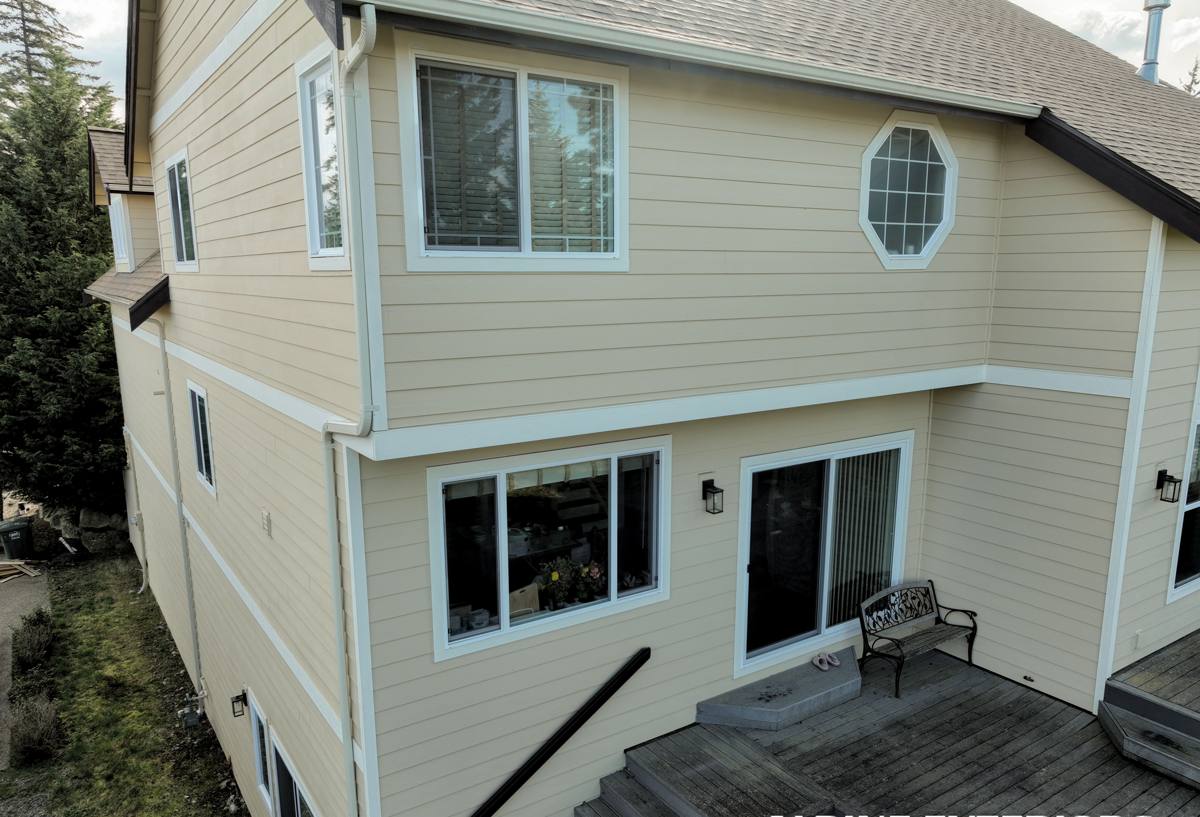
What a Correct Deck Replacement Actually Involves
There's a version of "deck replacement" that's really just cosmetic — pull off the decking boards, screw down new ones, call it done. That approach ignores the parts of the deck you can't see, which are usually the parts failing first. A proper replacement means evaluating and, where needed, rebuilding the whole system.
Ledger Board and Structural Connections
The ledger board — where the deck attaches to the house — is the single most common failure point on older decks, and it's also the connection most responsible for keeping a deck attached during high winds or heavy loading. Florida's building code has tightened requirements here for good reason: decks need positive lateral connections (hardware that resists the deck pulling away from the house), proper flashing to keep water from wicking into the wall framing, and corrosion-resistant fasteners throughout. On a lot of older Countryside homes, the original ledger attachment predates these requirements entirely, which is one reason a full rebuild is often the more honest recommendation over a resurfacing job.
Footings and Framing
Florida soil moves. It absorbs and releases water quickly, and footings that were adequate when a house was built decades ago can settle or heave over time. We check footing depth, condition, and post connections as part of any replacement — not just the boards sitting on top. Joists and beams get sized to current span tables for the actual load the deck will see, not just matched to whatever was there before.
Fasteners and Hardware
Standard galvanized hardware corrodes faster in coastal-influenced air than most homeowners expect, especially where two metals meet or where a fastener sits in a spot that stays damp after rain. We use stainless steel or coated fasteners rated for the exposure, along with hurricane ties and structural screws at the connections that matter most for wind resistance — not because it looks better on an invoice, but because that hardware is the difference between a deck that stays attached in a storm and one that doesn't.
Choosing Decking Material for This Climate
There's no single "best" decking material — there's a best fit for how a homeowner wants to spend their time and money over the life of the deck. In Countryside's sun and humidity, the trade-offs are more pronounced than they'd be in a milder climate.
| Material | Upfront Cost | Maintenance | How It Handles Sun, Humidity & Salt Air |
|---|---|---|---|
| Pressure-treated wood | Lowest | Annual sealing/staining recommended | Prone to graying, splintering, and cupping without regular upkeep; needs re-sealing more often here than in drier climates |
| Capped composite | Mid-to-high | Occasional cleaning, no sealing | Resists moisture absorption and UV fading well; performs consistently in heat and humidity |
| PVC decking | Highest | Very low | Fully moisture-resistant, holds up well against salt air and repeated wet-dry cycles |
| Tropical hardwoods (e.g., ipe) | High | Periodic oiling for color retention | Naturally dense and rot-resistant, but requires more careful fastening and periodic maintenance to look its best |
Most Countryside homeowners we talk to land on either a well-maintained pressure-treated deck (lowest cost, more upkeep) or a capped composite/PVC deck (higher upfront cost, largely maintenance-free). Neither is the "wrong" choice — it depends on whether you'd rather spend a weekend a year on maintenance or spend more up front to skip it.
Permits and Local Code Requirements
Deck replacement in Clearwater and unincorporated Pinellas County almost always requires a permit, even when the work looks like a straightforward like-for-like swap. Permitting exists to make sure the structural connections, footing depth, and railing/guard requirements actually meet current Florida Building Code — which, again, has been updated over the years specifically around deck attachment and lateral load resistance. Skipping the permit might save a few days up front, but it creates real problems later: unpermitted deck work can complicate a home sale, cause issues with insurance claims after storm damage, and in some cases require the deck to be torn out and redone to pass inspection retroactively. We pull the required permits and schedule inspections as part of the job, not as an afterthought.
Our Deck Replacement Process
- On-site evaluation. We inspect the existing deck's ledger attachment, framing, footings, and decking condition, and identify anything code requires to be brought up to current standard.
- Written scope and estimate. You get a clear breakdown of what's being replaced, what materials are being used, and what it costs — no vague allowances.
- Permit filing. We handle the permit application and any documentation the county or city requires before work starts.
- Demolition. Old decking, railing, and any compromised framing or footings come out. We check for hidden moisture damage to the house framing behind the ledger at this stage.
- Structural rebuild. Footings, posts, beams, joists, and the ledger connection are installed or reinforced to current code, using corrosion-resistant hardware throughout.
- Decking and railing installation. Boards and railing go on per the material and layout you chose, with attention to drainage so water sheds away from the house and framing.
- Final inspection. The completed deck is inspected to close out the permit, giving you documentation that the work meets code.
Signs Your Countryside Deck Needs Replacing, Not Just Repairing
Not every deck problem means a full replacement — but in this climate, small issues tend to point at bigger ones underneath. A quick self-check:
- Boards that feel spongy, spring back slowly, or visibly cup or split
- Rust staining or streaking around fasteners or hardware
- Any wobble or movement where the deck meets the house
- Visible gaps, cracking, or soft wood at the ledger board or posts
- Railings that flex more than they used to when leaned on
- A deck that's more than 15-20 years old and has never had structural hardware upgraded
- Standing water or slow drainage on the deck surface after rain
If more than one or two of these apply, it's worth having someone look at the structure itself rather than just the surface boards.
Why a Crew That Already Works in Countryside Matters
A lot of deck problems in this neighborhood trace back to work that was done fast, done without a permit, or done by someone unfamiliar with what Pinellas County inspectors actually check for. A crew that already works in the area knows the local permitting process, has a working relationship with the inspectors who'll sign off on the job, and has already seen how the specific combination of sun exposure, humidity, and storm wind loads plays out on homes like yours over time. That familiarity shows up in fewer surprises mid-project and a deck that's built for the conditions it will actually face here — not a generic install lifted from a climate that doesn't put the same stress on the structure.
Keeping Your New Deck in Good Shape
Whatever material you choose, a few habits go a long way in this climate. Rinse off salt residue and organic debris (leaves, pollen) periodically so it doesn't trap moisture against the surface. Keep gutters and downspouts near the deck clear so runoff isn't pooling against posts or footings. If you go with wood, don't let sealing lapse — UV exposure here is intense enough that unsealed wood degrades faster than manufacturer intervals sometimes suggest. And after any major storm, a quick visual check of the ledger connection and post bases is a good habit, the same way you'd check your roof.
If you're weighing whether your Countryside deck needs a repair or a full replacement, we're happy to take a look and give you an honest answer either way. Reach out for a free, no-pressure estimate using the form below.