 Clearwater Roofing
 Deck Replacement Built for Del Oro's Conditions
A deck in Del Oro doesn't fail the same way a deck fails inland. Between the salt-laden air moving off the Gulf side of Pinellas County, the near-constant UV load of a Florida summer, and the wind-driven rain that comes with our storm season, an aging deck here tends to show trouble earlier and in more places at once than homeowners expect. If you're noticing soft spots, popped fasteners, a bounce underfoot, or boards that have gone gray and splintery no matter how often they've been resealed, that's not just cosmetic wear — it's usually a sign the structure underneath has been absorbing damage for years.
Replacing a deck isn't just swapping old boards for new ones. Done right, it's a chance to fix the framing, drainage, and hardware choices that let the last deck fail early, so the new one actually holds up to what Clearwater throws at it.
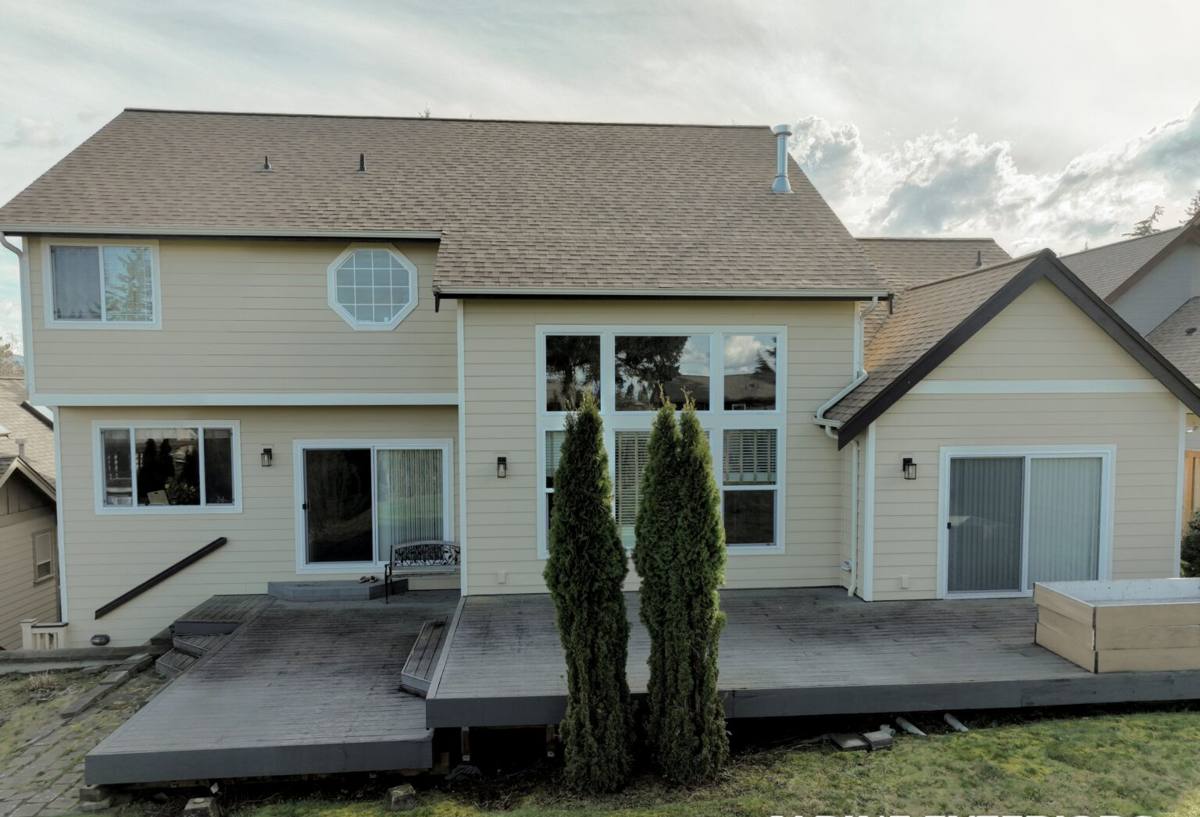
Why Del Oro Decks Wear Out Faster Than the Manual Says
Salt Air and Metal Fasteners
Coastal and near-coastal air in this part of Pinellas County carries fine salt particles that settle on everything outdoors, including a deck's fasteners and connectors. Standard construction-grade screws, nails, and joist hardware corrode faster here than in inland climates. Once fasteners start rusting, they lose holding strength long before the wood around them looks obviously damaged — which is why a deck can feel "suddenly" wobbly when the real deterioration took years.
UV Exposure, Nearly Year-Round
Clearwater sun is intense for most of the year, not just in summer. UV breaks down the lignin in wood fibers and degrades the UV inhibitors in composite capping and finishes over time. Boards that face south or west with little shade age noticeably faster than shaded sections of the same deck — a pattern that's easy to see once you know to look for it.
Wind-Driven Rain and Trapped Moisture
It's rarely straight-down rain that causes the worst damage. Wind-driven rain during storms and squalls pushes water sideways into board gaps, ledger connections, and anywhere flashing is missing or degraded. Combined with Florida's humidity, that moisture doesn't dry out quickly, which is exactly the environment where wood rot and hidden corrosion take hold.
Signs a Del Oro Deck Needs Replacement, Not Another Repair
- Soft, spongy, or spring-loaded spots when you walk across the deck
- Fasteners that are rusted, backing out, or leaving dark streaks on the boards
- Visible gaps, cupping, or splitting concentrated on the sun-exposed side
- A ledger board (where the deck attaches to the house) that looks discolored or feels soft
- Railings or posts that wiggle more than a firm push should allow
- Mildew or algae that keeps coming back no matter how often it's cleaned
- A deck that's more than 15-20 years old and has never had the framing inspected
Any one of these on its own might be a repair. Several at once, or anything involving the ledger or main support posts, usually means the framing has been compromised and a patch will only buy a short amount of time.
What a Correct Deck Replacement Actually Involves
A deck replacement done right in this climate isn't just decking boards. It's a full look at everything underneath, because the framing and connections are what determine whether the new surface lasts 5 years or 20.
1. Full Tear-Off and Structural Inspection
We remove the old decking down to the frame and inspect every joist, beam, post, and the ledger connection to the house. This is the point where hidden rot or corrosion — the kind that doesn't show from the top — gets found and dealt with, not covered back over.
2. Ledger and Flashing Correction
The ledger board is the single most common point of failure on any deck attached to a house, especially where wind-driven rain is a regular event. We confirm proper flashing and fastening at this connection rather than assuming the original installation handled it correctly.
3. Corrosion-Resistant Hardware Throughout
Given the salt air in this area, we use fasteners and structural connectors rated for coastal exposure rather than standard interior-grade hardware. This is one of the most overlooked details in deck work and one of the biggest reasons decks in this area fail early.
4. Framing Rebuild Where Needed
Any joists, beams, or posts affected by rot or corrosion get replaced, not shimmed or sistered as a shortcut. Spacing and bracing are brought in line with current code, which matters more in a county that sees regular tropical weather.
5. Decking Material Installation
Boards are installed with attention to proper gapping for drainage and expansion, since Florida's heat and humidity cause more material movement than boards see in drier climates.
6. Railing, Stairs, and Final Details
Railings, stair stringers, and any built-ins are secured to the rebuilt frame, then everything is checked for level, fastener finish, and a clean overall look before we call it done.
Choosing a Decking Material for This Part of Florida
There's no single "best" decking material — the right choice depends on budget, maintenance tolerance, and how much sun and salt exposure the specific deck sees. Here's how the common options actually compare in a coastal Pinellas County setting.
| Material | Maintenance | UV/Salt Performance | Typical Lifespan |
|---|---|---|---|
| Pressure-Treated Wood | Regular sealing/staining needed | Fades and grays without upkeep; fasteners are the weak point | 10-15 years with maintenance |
| Composite Decking | Low — periodic cleaning | Good UV stability with quality capping; check warranty terms for coastal use | 20-25+ years |
| Tropical Hardwoods | Moderate — periodic oiling | Naturally dense and rot-resistant, but still needs UV protection | 20-25 years |
| PVC/Vinyl Decking | Very low | Strong moisture and UV resistance; can run hotter underfoot in full sun | 25-30 years |
We install several of these depending on what fits the project, but we're honest about trade-offs. Any material installed with poor drainage, undersized framing, or the wrong fastener choice will underperform its own warranty in a climate like this — so material quality only matters as much as the installation behind it.
Framing and Hardware: Where the Real Difference Shows Up
Homeowners often focus on the decking surface because that's what's visible, but in our experience the framing and fasteners are what actually decide how long a deck lasts near the coast. A beautiful composite surface on corroding hardware and undersized joists will still fail — just from underneath, where it's harder to catch early. That's why our replacements treat the substructure as the priority, not an afterthought squeezed in under the material budget.
Our Process for a Del Oro Deck Replacement
- On-site assessment. We walk the existing deck, check the framing where accessible, and talk through what's driving the replacement — safety, appearance, or both.
- Honest scope and estimate. You get a clear picture of what needs full replacement versus what can be reused, with a written estimate before any work starts.
- Tear-off and structural work. Old decking comes off, the frame gets inspected and repaired or rebuilt as needed, and any ledger or flashing issues get corrected.
- Decking and finish work. New boards, railings, and stairs go in with attention to drainage, spacing, and a clean finish.
- Final walkthrough. We go over the finished deck with you before considering the job complete.
Why Local Experience in Del Oro Matters
A crew that regularly works decks in this part of Clearwater already knows which fastener grades hold up to the salt air here, which framing details tend to fail first in homes of this area's typical age, and how local permitting and inspection expectations run. That's the difference between a deck built to a generic national standard and one built for what this specific stretch of Pinellas County actually does to outdoor structures year after year. It also means faster, more accurate estimates — we're not guessing at regional conditions, we're accounting for them from the first walkthrough.
What to Ask Before Hiring Anyone for This Job
- Will you inspect the framing and ledger, not just replace the visible boards?
- What fastener and hardware grade do you use, and is it rated for coastal exposure?
- Is the estimate in writing, with a clear scope of what's included?
- Are you licensed and insured to do this work in Pinellas County?
- What does the material warranty actually cover, and does it require a specific installation method?
Any contractor who can't answer these plainly, or who wants to quote a deck replacement without ever inspecting the framing, is a red flag worth taking seriously.
If your Del Oro deck is showing soft spots, rust streaks, or just isn't holding up the way it used to, we're happy to take a look and walk you through what's actually going on underneath. Fill out the form below for a free, no-pressure estimate.