 Clearwater Roofing
 Building a Deck That Actually Holds Up in Downtown Clearwater
A custom deck in Downtown Clearwater has to do more than look good in the listing photos. It has to survive a Gulf Coast climate that doesn't take a season off: hurricane-force winds during storm season, intense UV exposure nearly year-round, wind-driven rain that finds every gap in flashing and fasteners, and salt-laden air drifting in off the water that corrodes metal faster than most homeowners expect. A deck built to a generic national spec, or built by a crew that mostly works inland, tends to show its age within a few years here — cupped boards, rusted fasteners, a railing that's gone wobbly. A deck built for this specific environment holds its shape and its structure for decades.
This page is about one project type in one area: new and rebuilt custom decks for homes in and around Downtown Clearwater. We're not going to give you a generic national buying guide. We're going to explain what actually matters when you're building a deck a few miles from Clearwater Harbor and the Gulf, in Pinellas County, under Florida Building Code wind requirements.
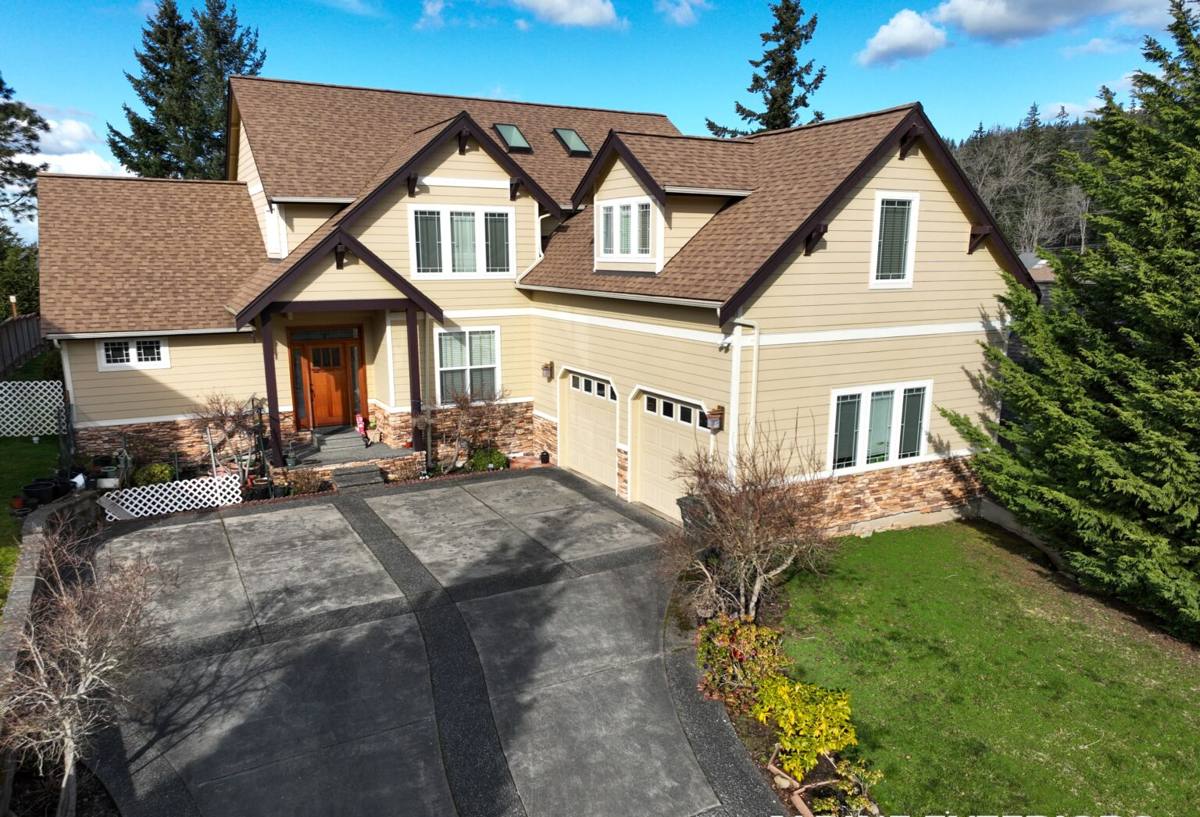
What Downtown Clearwater Properties Typically Need From a Deck
Downtown Clearwater is a mix of older homes on modest lots and newer or renovated properties closer to the waterfront and downtown core. Lot sizes tend to be tighter than in the outer suburbs, which shapes deck design in a few practical ways:
- Smaller footprints mean every square foot of deck needs to earn its place — layout and traffic flow matter more than on a sprawling rural lot.
- Older homes often have ledger connections, siding, and foundation conditions that need to be assessed before a deck can be safely attached — not assumed.
- Proximity to open water and intracoastal exposure means higher sustained wind loads and more direct salt spray than homes further inland in the county.
- Mature tree canopy in some pockets of the neighborhood changes drainage and debris load on the deck surface, which affects material choice and cleaning frequency.
None of these are dealbreakers. They're just variables that need to be accounted for in the design instead of ignored, which is where a lot of decks built by out-of-area or inexperienced crews go wrong.
Choosing a Decking Material for This Climate
The single biggest long-term decision on a custom deck project is the decking material itself. Every option has real trade-offs — there's no single "best" choice, only the right choice for your budget, maintenance appetite, and how close you are to salt air.
| Material | Strengths | Trade-offs Near the Coast |
|---|---|---|
| Pressure-treated wood | Lowest upfront cost, familiar look, easy to repair board-by-board | Needs regular sealing/staining; UV and humidity cycle the boards, causing checking and warping faster than inland |
| Composite decking | No staining required, consistent color, resists rot | Surface temperature runs hot in direct summer sun; quality varies a lot by brand and price tier |
| PVC/cellular decking | Fully moisture-resistant, doesn't absorb salt spray, very low maintenance | Higher upfront cost; can expand and contract more with heat, so fastening details matter |
| Tropical hardwood | Naturally dense, attractive grain, holds up to weather when maintained | Requires periodic oiling; sourcing and cost can be inconsistent |
We don't push one product line as the "only right answer." What we will say plainly: in a coastal wind and salt environment, whatever material you choose, the fastening system and substructure matter more than the decking brand on the box. A premium board over an under-built frame will still fail early.
Fasteners and Hardware
This is where we see the most corner-cutting from past experience with repair calls in this area. Standard zinc-coated deck screws and joist hangers corrode faster in salt air than most homeowners realize — sometimes within a handful of years. For coastal work, we use stainless steel or coated fasteners and connectors rated for corrosive environments, not because it's required on every job, but because replacing rusted hardware later means tearing into a finished deck. It's cheaper to spec it right the first time than to fix it after the fact.
Framing, Footings, and Wind Load
Florida Building Code wind provisions apply to decks just as they apply to roofs, and Pinellas County enforces them through the local permitting process. A deck isn't just a flat surface on posts — it's a structure that has to resist uplift and lateral load in a wind event, not just hold static weight.
Correctly built framing for this area typically includes:
- Footings sized and set to the depth required for the soil conditions on your specific lot, not a one-size-fits-all guess.
- Post-to-beam and beam-to-joist connections using rated hardware, not just toe-nailing or undersized brackets.
- Proper ledger attachment to the house structure — or, where the existing wall framing or siding can't support a ledger safely, a freestanding deck design that doesn't rely on the house at all.
- Railing posts and connections built to resist lateral load, since railings take real force during storms and everyday use alike.
None of this is visible once the deck is finished, which is exactly why it's the part worth asking a contractor about directly before signing anything.
Permitting in Pinellas County
Most new decks and significant deck rebuilds in Clearwater require a building permit, with plans that show footing depth, framing layout, and connection details sized to current wind load requirements. This isn't paperwork for its own sake — it's the mechanism that catches undersized framing or bad connections before they're buried under decking boards. We handle the permitting and inspection scheduling as part of the project so you're not the one chasing down approvals mid-build.
Our Process, Start to Finish
1. On-Site Assessment
We look at your lot, your existing structure (if you're replacing a deck), drainage, sun exposure, and how close you are to open water or the intracoastal, since that affects both wind exposure and salt exposure. We also check what the deck will attach to, if anything — old ledger boards, siding, and framing get evaluated honestly, not assumed sound.
2. Design and Material Selection
We walk through material options with real trade-offs explained — not just a catalog of colors. Layout gets designed around how you'll actually use the space: grilling, seating, stairs to the yard, shade considerations.
3. Permitting
We prepare and submit the plans required by Pinellas County / City of Clearwater, sized to the applicable wind load requirements for your structure.
4. Build
Footings, framing, decking, railing, stairs, and any built-ins go in, in that order, with inspections scheduled at the required stages rather than after the fact.
5. Final Walkthrough
We go over the finished deck with you — fastening, railing security, drainage, and maintenance expectations for your specific material — before we call the job done.
Rough Cost Factors
Every deck is different, so we won't quote a number here that doesn't apply to your project. What actually drives cost on a custom deck build in this area:
| Factor | Why It Moves the Price |
|---|---|
| Decking material | Pressure-treated wood costs less upfront than composite or PVC; composite/PVC cost more but need little to no refinishing |
| Height and footing depth | A deck several feet off grade needs deeper footings and more substantial framing than a low ground-level deck |
| Attachment method | A freestanding deck (when the house structure can't take a ledger) needs more posts and footings than an attached deck |
| Railing and stairs | Custom railing styles, glass panels, or multiple stair runs add material and labor beyond a basic straight run |
| Site access | Tight downtown lots with limited equipment access can add labor time versus an open backyard |
Maintaining a Coastal Deck
Whatever material you choose, a little regular attention goes a long way in this climate. A short seasonal checklist:
- Rinse salt residue and debris off the deck surface periodically, especially after storms or high-wind events.
- Check railing posts and stair stringers for movement at least once or twice a year — loose connections are easier to catch and fix early.
- For wood decking, plan on resealing or restaining on the schedule the product actually needs in Florida sun, not the schedule printed for a cooler climate.
- Keep gutters and downspouts near the deck clear so runoff isn't dumping directly onto framing or footings.
- Inspect fastener heads and hardware for early rust or staining, which is often the first visible sign of a coastal corrosion issue.
- Trim back overhanging vegetation so leaf litter and moisture don't sit on the deck surface.
Why Hire a Crew That Already Works Downtown Clearwater
A contractor who works this specific area regularly already knows the local permitting process, has a working relationship with the inspectors who review Pinellas County deck plans, and has seen firsthand how decks in this exact wind and salt exposure actually age — not just how they're supposed to perform on paper. That local track record matters more than it sounds like it should. It means fewer surprises during permitting, fewer callbacks for hardware that corroded faster than expected, and a design that accounts for your specific lot instead of a generic template.
It also means accountability. We're not a crew that flew in for a storm-season rush and will be gone by next season. We live and work in this market, and a deck we build for a Downtown Clearwater home is one we expect to stand behind for years, not just through the final walkthrough.
Get a Straightforward Estimate
If you're planning a new deck or replacing one that's showing its age, we're glad to take a look and give you an honest read on materials, structure, and what it'll take to get it permitted and built right. Fill out the form below for a free, no-pressure estimate.