 Clearwater Roofing
 Downtown Clearwater's Siding Takes a Real Beating
Downtown Clearwater sits close enough to the Gulf that its homes deal with a combination of stressors most inland Florida neighborhoods don't see all at once. Hurricane-force wind events test how well siding is fastened and flashed. Intense, near year-round UV breaks down pigments and surface coatings faster than in milder climates. Wind-driven rain forces water sideways into seams, laps, and penetrations that would stay dry in a normal rainstorm. And salt air, carried in off the Gulf, accelerates corrosion on fasteners, trim, and anything metal that wasn't specified correctly. None of these factors are dramatic on their own, but stacked together year after year, they're exactly why siding fails faster here than the national average would suggest.
When we talk to Downtown Clearwater homeowners about siding replacement, the conversation is rarely about one dramatic failure. It's usually a slow accumulation: caulk lines that opened up two summers ago, paint that's chalking, a soft spot near a window that wasn't caught early. Understanding that pattern is the first step to replacing siding in a way that actually holds up to another decade or two of Pinellas County weather.
What Downtown Clearwater Homes Are Working With
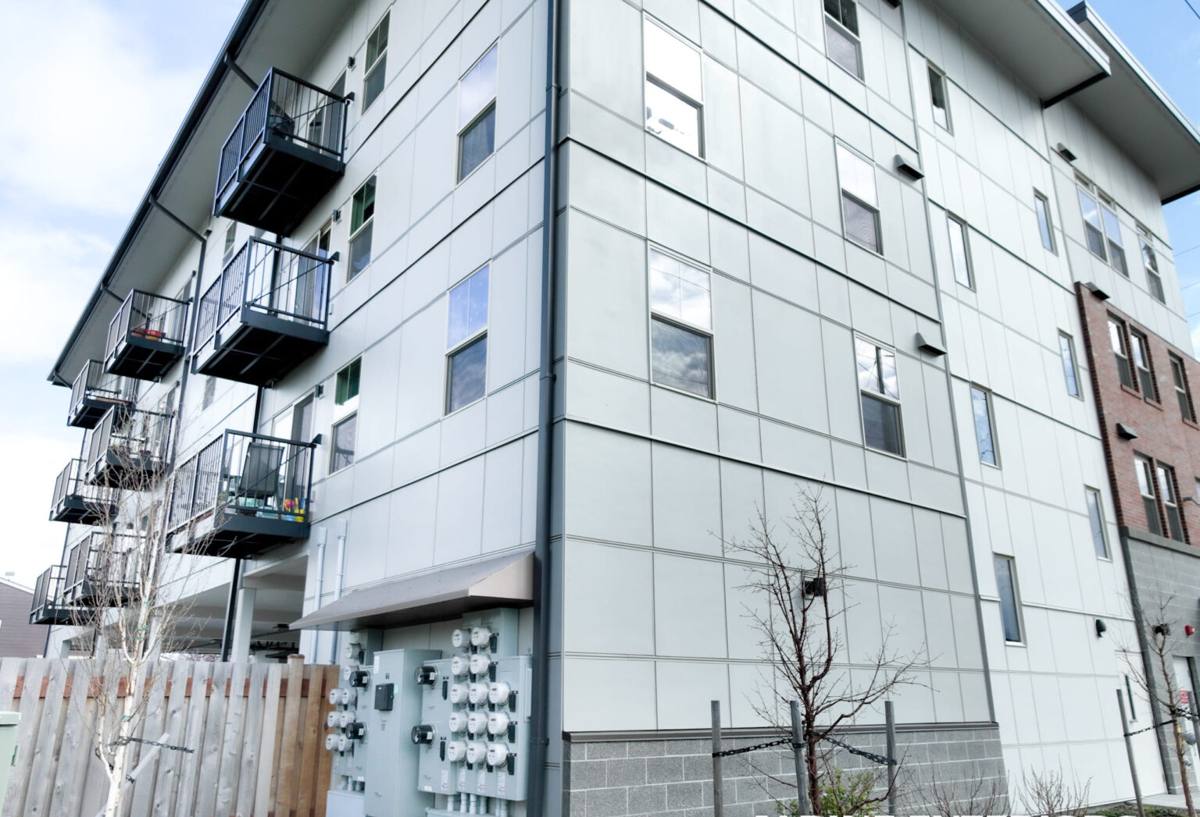
Downtown Clearwater's housing stock is a mix of eras and construction styles — older frame-built homes from decades past sitting near newer infill construction, with a fair number of homes that have already been re-sided at least once. That mix matters for a replacement project. Older homes may have wood sheathing, older window flashing details, or layered siding history underneath the current exterior that only becomes visible once the old material comes off. Newer homes may already have house wrap and modern flashing but were finished with a siding product that isn't holding up to the local climate the way it was expected to.
Because of that variation, we don't quote Downtown Clearwater siding replacement off a generic template. What's under the existing siding — and what condition it's in — changes the scope of the job, and a contractor who assumes every house is the same ends up missing rot, inadequate flashing, or moisture damage that should have been addressed before the new siding went up.
Coastal Proximity and Building Codes
Pinellas County enforces Florida Building Code wind and water-intrusion requirements that are stricter than what's typical inland, and homes closer to the water often fall under additional wind-borne debris provisions. Siding replacement in Downtown Clearwater isn't just a cosmetic upgrade — it has to meet code requirements for fastening patterns, water-resistive barriers, and in some cases wind ratings tied to the home's exposure category. A contractor unfamiliar with these requirements can end up doing work that looks fine but won't pass inspection, or worse, won't perform in the next storm.
Signs It's Time to Replace, Not Repair
Not every siding problem calls for a full replacement. But in a coastal climate, certain signs mean patching is only delaying a bigger, more expensive failure. If you're seeing more than one or two of the following, it's worth having a full inspection rather than another round of caulk and paint:
- Soft or spongy spots when you press on the siding, especially near the bottom courses or around windows and doors
- Visible cracking, buckling, or warping across multiple sections, not just one board
- Paint that's failing repeatedly in the same spots within a year or two of repainting
- Gaps opening up at seams, corners, or trim that keep coming back after caulking
- Rust streaking from fasteners, or corroded trim and flashing
- Rising interior humidity, musty smells, or peeling interior paint on exterior-facing walls
- Visible mold or mildew that returns quickly after cleaning
Any one of these on its own might be a repair. Several together usually means moisture has been getting behind the siding for a while, and the underlying sheathing or framing needs to be checked before new material goes up.
Why We Install Only James Hardie Fiber Cement Siding
We made a deliberate decision to install James Hardie fiber cement siding and nothing else — no vinyl, no LP SmartSide, no primed wood. That's not a marketing position; it's a standard we hold ourselves to because of what we've seen hold up in this climate and what hasn't.
Vinyl siding is inexpensive and easy to install, but it's a plastic product that softens, warps, and becomes brittle under sustained heat and UV exposure — exactly the conditions Downtown Clearwater gets most of the year. It also has real limits in high wind, since it relies on interlocking panels rather than a rigid, fully fastened surface. Engineered wood products like LP SmartSide perform reasonably in drier climates, but wood-based siding is inherently more vulnerable to moisture intrusion, and Florida's humidity and wind-driven rain are a tough combination for any wood-based product to manage over the long term, even with treated strand board cores. Primed wood and cedar require the most ongoing maintenance of all — repainting, caulking, and moisture monitoring on a schedule most homeowners don't want to keep up with.
James Hardie fiber cement is non-combustible, dimensionally stable, and doesn't absorb moisture or expand and contract the way wood-based products do. Hardie manufactures a formulation — HZ10 — specifically engineered for hot, humid Gulf Coast climates like ours, which is a meaningful difference from a one-size-fits-all product. The factory-applied ColorPlus finish is baked on under controlled conditions, which gives it better fade and wear resistance than field-applied paint, and it's backed by a real transferable warranty. When it's installed to Hardie's specifications — correct fastening, proper clearances, sealed joints — it's the product we trust to actually perform through a Pinellas County hurricane season, not just look good for the first year.
What a Correct Siding Replacement Actually Involves
The material is only half the equation. A siding replacement is only as good as the installation underneath it, and this is where a lot of jobs quietly go wrong — problems that won't show up for a year or two, by which point they're much more expensive to fix.
Tear-Off and Inspection
Old siding comes off in full, not patched around. That's the point where we can actually see the sheathing, framing, and existing flashing, and address any rot or moisture damage before it gets covered up again.
Water-Resistive Barrier and Flashing
A continuous, properly lapped water-resistive barrier goes on before any siding, with flashing integrated at every window, door, and penetration so water sheds outward instead of working its way behind the siding. In a wind-driven rain climate, flashing details matter more than almost anything else in the job.
Fastening to Wind Zone Requirements
Hardie siding has specific fastener types, spacing, and embedment requirements that change based on wind exposure. Getting this right is what keeps siding attached in a storm — and it's an area where corners get cut on jobs done by crews unfamiliar with coastal wind requirements.
Joints, Caulking, and Trim
Proper gapping at joints, correctly sealed butt joints, and quality sealant at trim transitions all affect how well the assembly handles expansion, contraction, and wind-driven moisture over time.
Comparing Siding Options for a Coastal Climate
Homeowners often ask us to explain, in plain terms, why the material choice matters as much as the installation. Here's how the common options stack up against the specific conditions Downtown Clearwater deals with:
| Factor | James Hardie Fiber Cement | Vinyl | Wood / Engineered Wood |
|---|---|---|---|
| Wind performance | Rigid, fully fastened, engineered for high-wind zones | Panel system, more prone to failure in sustained high wind | Depends heavily on fastening; wood can split under stress |
| Moisture / humidity behavior | Doesn't absorb moisture or rot; HZ10 formulated for humid climates | Doesn't absorb moisture, but trim and seams can trap it | Vulnerable to swelling, rot, and moisture intrusion |
| UV / heat resistance | Factory-baked ColorPlus finish resists fading | Can soften, warp, or fade under sustained heat and sun | Paint fades and fails faster in intense UV |
| Salt air / corrosion | Fiber cement itself doesn't corrode; correct fasteners hold up | Plastic doesn't corrode, but hardware and trim still can | Fasteners and trim exposed to accelerated corrosion |
| Maintenance | Occasional washing; repaint only when desired | Low maintenance but limited repair options once damaged | Regular repainting, caulking, and moisture checks required |
| Fire resistance | Non-combustible | Combustible plastic material | Combustible |
Our Process for Downtown Clearwater Homeowners
- Free on-site inspection, including a look at the current siding, trim, and any signs of moisture damage
- Honest assessment of whether the home needs full replacement or targeted repair
- Clear, itemized estimate covering material, tear-off, sheathing repair (if needed), and installation
- Permitting handled through Pinellas County and the City of Clearwater as required
- Full tear-off, sheathing inspection, and repair of any rot or damage found underneath
- Installation of water-resistive barrier, flashing, and James Hardie siding to manufacturer and code specifications
- Final walkthrough so you know exactly what was done and what to expect going forward
Why a Crew That Already Works Downtown Clearwater Matters
Siding replacement isn't just a materials decision — it's a local knowledge decision. A crew that regularly works in Downtown Clearwater already understands the wind exposure requirements Pinellas County inspectors are checking for, knows what tends to be hiding under older siding in this part of town, and isn't guessing at flashing details for the first time on your house. That familiarity shows up in fewer surprises during tear-off, fewer inspection delays, and a finished job that's actually built for the coastal conditions it has to survive, not just for a drier, calmer climate somewhere else.
It also matters for accountability. A contractor with an ongoing presence in the area has a reason to stand behind the work years down the line — not just get through the punch list and move on.
Questions to Ask Before You Hire
Whoever you choose for a siding replacement, these questions will tell you a lot about whether they're set up to do the job correctly in this climate:
- Are you licensed and insured to do exterior work in Pinellas County?
- Will you pull the required permits, and who's responsible for inspections?
- What water-resistive barrier and flashing details will you use, specifically?
- What fastening schedule will you follow for our wind exposure category?
- Will you inspect and repair sheathing before installing new siding, not just cover it up?
- What warranty covers the material, and what covers your labor?
If your Downtown Clearwater home's siding is showing its age, we'll come take an honest look, tell you what we find, and put together a clear, no-pressure estimate for James Hardie siding replacement done right for this climate. There's no obligation — just use the form below to get started.