 Clearwater Roofing
 Why Dunedin Roofs Wear Out Faster Than Roofs Inland
Dunedin sits close to the Gulf coastline in Pinellas County, and that location puts real stress on a roof that homes further inland simply don't deal with. Hurricane-force wind gusts test every nail and shingle tab a roof has. Intense, nearly year-round UV exposure bakes shingles and dries out sealants faster than manufacturers' lifespan charts assume. Wind-driven rain gets pushed sideways and upward under flashing and roof edges instead of just running downhill. And salt air drifting in off the water accelerates corrosion on any exposed metal — nails, flashing, vents, and fasteners alike.
None of these stressors is dramatic on its own in a single storm season. The damage is cumulative. A roof that would comfortably hit its rated lifespan in a drier, calmer climate can start failing years early in Dunedin if it wasn't installed with these specific conditions in mind. That's the core difference between a generic roof replacement and one done right for this part of Pinellas County.
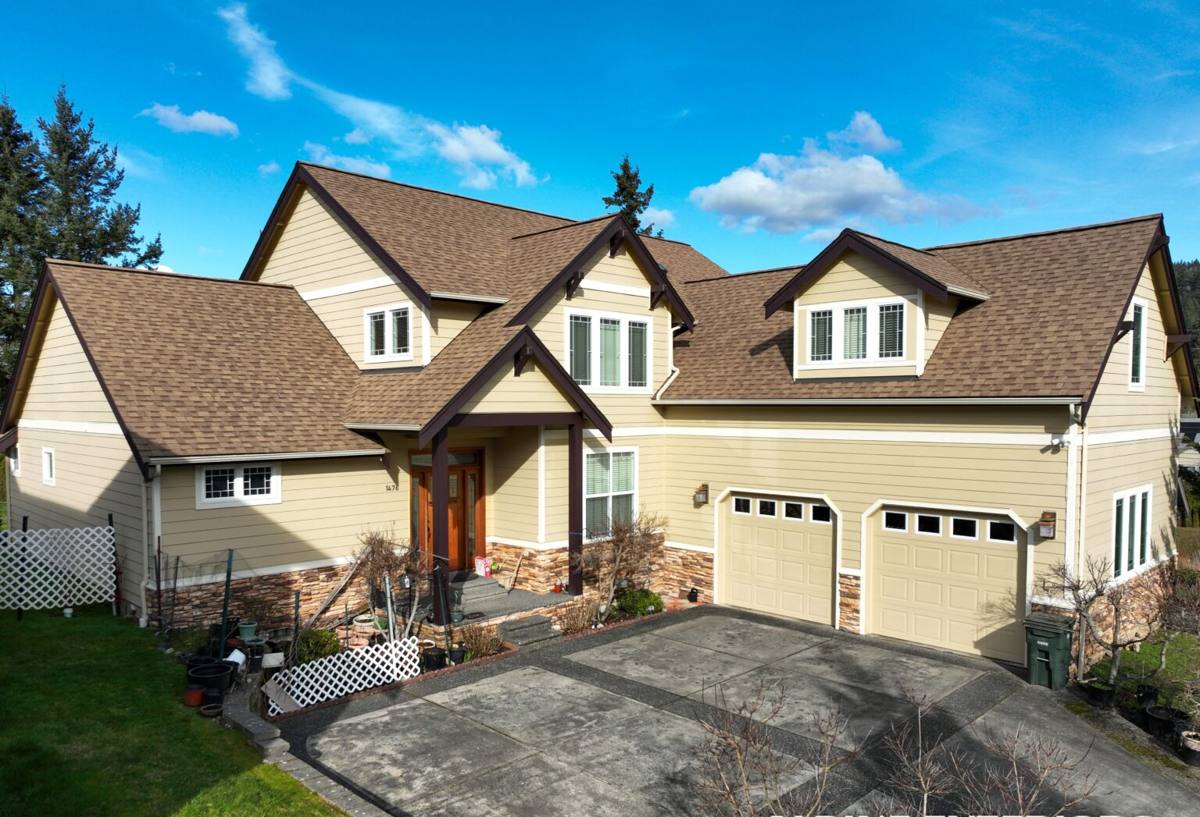
Signs a Dunedin Roof Has Reached the End of Its Service Life
Age and Material Wear
Most asphalt shingle roofs in this climate are realistically looking at replacement territory somewhere in their late teens to low twenties, even with good maintenance — sooner if the original installation skipped details like proper underlayment or adequate ventilation. Metal and tile roofs can go longer, but their flashing, fasteners, and underlayment still age on their own timeline and can need attention well before the primary roofing material does.
Visible and Hidden Damage
Some damage is obvious: missing or curling shingles, granules collecting in gutters, cracked or slipped tiles, visible rust streaking near metal fasteners or flashing. Other damage hides until it's expensive: soft decking under a section of roof, water staining on an attic deck, or a musty smell in upper rooms that points to slow moisture intrusion rather than a single leak. A roof that "looks fine" from the ground can still be failing underneath, which is why a proper inspection checks the deck and attic, not just the surface.
- Shingles that are curling, cupping, or missing granules in patches
- Cracked, slipping, or missing tiles
- Soft or spongy spots when walking the roof
- Rust staining around vents, flashing, or fastener heads
- Daylight visible through the attic decking
- Water stains or musty odor on interior ceilings or attic framing
- Multiple past repairs in the same area of the roof
Choosing a Roofing System Built for Pinellas County Conditions
Not every roofing product performs the same way once it's exposed to salt air, sustained UV, and wind. Picking the right system for a Dunedin home means weighing wind rating, heat performance, and long-term maintenance against upfront cost and the look you want for the house.
| Material | Wind Performance | UV / Heat Behavior | Salt Air Resistance | Typical Maintenance |
|---|---|---|---|---|
| Architectural asphalt shingle | Good, with proper nailing pattern and rated products | Moderate; darker colors run hotter | Good with quality fasteners and flashing | Periodic inspection, gutter clearing |
| Standing seam metal | Very good to excellent | Reflects heat well, ages slowly | Needs coated or corrosion-resistant fasteners near the coast | Low; occasional fastener and seam check |
| Concrete or clay tile | Excellent when properly fastened | Excellent thermal mass and UV resistance | Very good; underlayment is the vulnerable part | Underlayment replacement eventually needed under tile |
There's no single "best" material for every home — it depends on your roof pitch, your budget, your home's structure, and how long you plan to stay in the house. What matters more than the brand name on the shingle wrapper is whether the system as a whole — decking, underlayment, flashing, fasteners, and ventilation — was matched to this climate.
What a Correct Roof Replacement Actually Involves
Full Tear-Off and Deck Inspection
A proper replacement starts with removing the old roofing material down to the deck, not layering new shingles over old ones. That tear-off is the only point where the actual condition of the decking is visible — soft, rotted, or delaminated plywood needs to be replaced before anything new goes down, because no shingle or underlayment can compensate for a compromised deck underneath it.
Underlayment and Flashing
In a climate with wind-driven rain, the underlayment and flashing details matter as much as the visible roofing material. That means correctly lapped underlayment, sealed penetrations around vents and pipes, and properly integrated flashing at valleys, walls, and roof-to-wall transitions — the places where most leaks actually originate, regardless of how good the shingles above them look.
Ventilation
An attic that can't breathe traps heat and moisture, which shortens the life of the roofing material from underneath and can raise cooling costs in the house below. Balanced intake and exhaust ventilation should be part of every replacement, not an afterthought.
Fastening for Wind Resistance
Nailing pattern, fastener type, and fastener spacing directly affect how a roof performs in high wind. This is one of the most common places corners get cut on a rushed job, and it's one of the least visible once the roof is finished — which is exactly why it needs to be done correctly the first time.
Permits, Wind Mitigation, and Insurance Considerations
Roof replacements in Dunedin fall under Pinellas County and local permitting requirements, and Florida's building code sets specific wind-resistance standards for coastal counties like this one. A legitimate contractor pulls the required permit and schedules the inspections that go with it — that paperwork protects you if there's ever a dispute with an insurer or a future buyer's inspector.
It's also worth understanding wind mitigation inspections. After a qualifying roof replacement, a wind mitigation inspection can document features — like roof shape, deck attachment, and roof-to-wall connections — that may qualify your home for a homeowners insurance discount. It's a separate inspection from the permit process, but it's worth asking about at the time of your roof replacement rather than months later.
Our Replacement Process, Start to Finish
- Inspection: We check the roof surface, decking, flashing, and attic ventilation, and explain what we find in plain terms.
- Written estimate: A clear scope of work and pricing, with material options explained honestly — no pressure to upgrade beyond what your home needs.
- Material selection: We help you weigh shingle, metal, or tile options against your budget, roof structure, and how long you plan to stay in the home.
- Permitting: We handle the permit application and schedule required inspections through the local building department.
- Tear-off and deck repair: Old roofing comes off completely; any compromised decking is replaced before new material goes down.
- Installation: Underlayment, flashing, ventilation, and the roofing material are installed to code and manufacturer specification.
- Cleanup: Job site and yard are cleared of debris, including a magnetic sweep for stray nails.
- Final walkthrough: We review the completed roof with you before considering the job done.
What Affects the Cost of a Roof Replacement in Dunedin
Roof replacement costs vary widely based on the specifics of your home, so we avoid quoting a number until we've actually seen the roof. In general, the biggest cost factors are:
| Factor | Why It Matters |
|---|---|
| Roof size and pitch | More square footage and steeper pitches mean more material and labor time |
| Material choice | Asphalt shingle, metal, and tile carry different material and installation costs |
| Deck condition | Rotted or damaged decking found during tear-off adds repair cost but is not optional to fix |
| Number of existing layers | Removing multiple layers of old roofing takes more labor than a single layer |
| Roof complexity | Valleys, dormers, chimneys, and skylights all add flashing and labor time |
| Access and site conditions | Roofs that are hard to access or stage material near can add labor cost |
Broadly speaking, a straightforward asphalt shingle replacement tends to sit at the lower end of the cost range, while metal and tile systems cost more upfront but can offer a longer service life. We'll walk through these trade-offs with you directly rather than steering you toward the most expensive option by default.
Why It Matters to Hire a Crew That Already Works in Dunedin
A contractor who regularly works in Dunedin and the surrounding Clearwater area already understands the local permitting process, the wind zone requirements that apply here, and how coastal exposure actually behaves on a roof over time — not just in a manufacturer's spec sheet. That familiarity shows up in small decisions throughout the job: which fasteners to use near the coast, how to detail flashing against wind-driven rain, and how to size ventilation for a Florida attic. It also means a contractor who plans to still be reachable next year if a warranty question comes up, not one who worked the area for a single storm-repair season and moved on.
If your roof is showing its age or you're just trying to get ahead of the next storm season, we're happy to take a look and give you a straight answer about what your roof actually needs — whether that's a full replacement or not. Reach out for a free, no-pressure estimate using the form below.