 Clearwater Roofing
 Dunedin sits right on the Pinellas County coastline along St. Joseph Sound, and that location shapes what a correct window installation actually looks like here. Homes in this area — from older bungalows near downtown to newer construction closer to the water — take a steadier beating from wind, sun, and salt than a typical inland Florida property. A window job that's just "put the new one in the old hole" doesn't hold up long in this environment. We install windows built and set correctly for Dunedin conditions, not a generic template pulled from a catalog.
What Dunedin's Climate Does to Windows
Four things work on a window here, and they work on it constantly, not just during storms. Hurricane-force winds put direct pressure on glass and framing during named storms and the seasonal squalls that pass through well before hurricane season officially starts. Year-round, intense UV breaks down cheaper vinyl formulations, weatherstripping, and sealants faster than it would in a milder climate, which shows up as yellowing, brittle gaskets, and seals that give out early. Wind-driven rain pushes water sideways into wall assemblies during storms, testing flashing details that a calm-weather market would never stress. And salt air off St. Joseph Sound and the Gulf corrodes hardware, screen frames, and fasteners slowly and continuously — it doesn't wait for a storm to do its damage.
None of that means windows in Dunedin are a losing battle. It means the product, the installation method, and the follow-up detailing all have to account for those four factors together, not just the wind rating on a spec sheet.
Where Failures Actually Start
On most window failures we see in this area, the glass itself is fine. The problem is at the edges — a sealant joint that was rushed, a flashing lap that wasn't sequenced to shed water outward, an anchor pattern that met code minimums but not the reality of a direct-exposure wall. Those are installation details, not product defects, and they're exactly where a rushed or unfamiliar crew cuts corners.
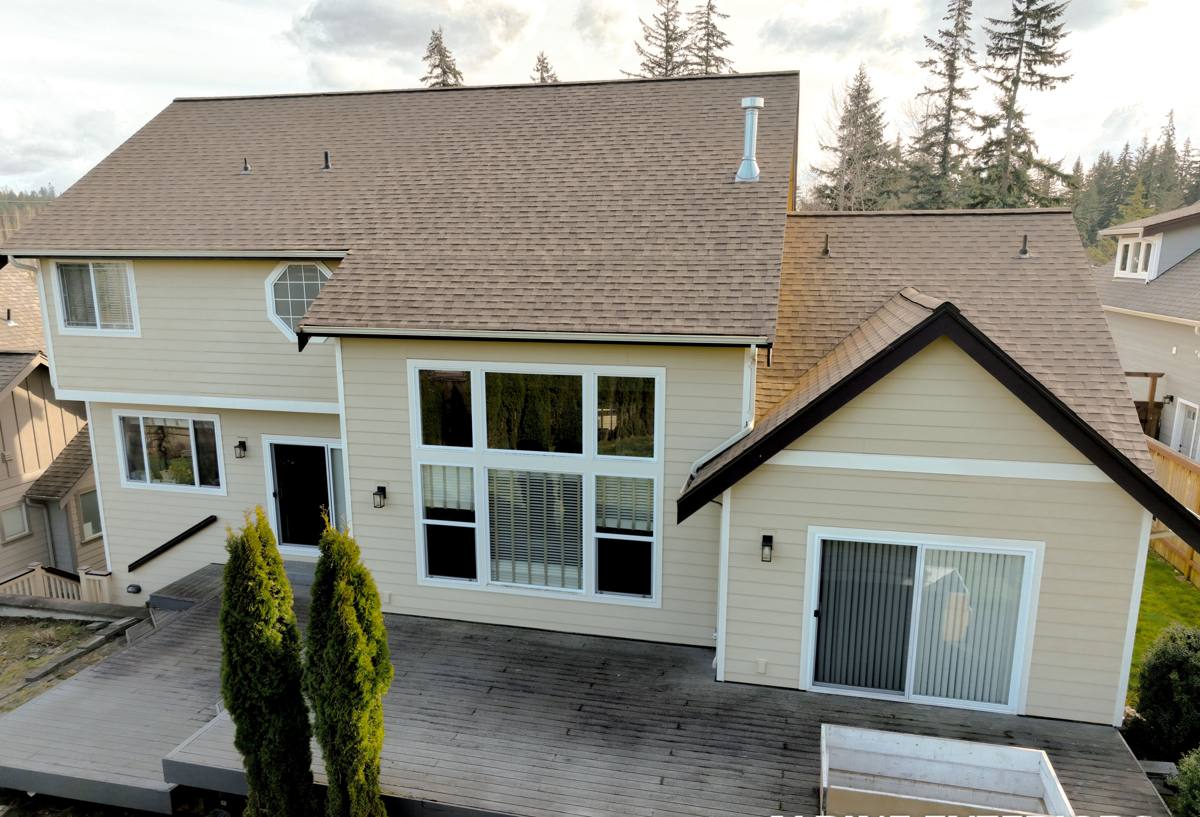
What a Correct Installation Involves
Assessment First
We start by measuring the actual opening and looking at the wall's real exposure — a window on a Gulf- or Sound-facing elevation gets treated differently than one on a more sheltered side of the house. That assessment is what determines the impact rating and anchoring approach the opening needs to meet Pinellas County's wind-borne debris requirements, which is a code question as much as a product one.
Opening Prep and Structural Check
Before a new unit goes in, we check the substrate around the opening for rot, prior water damage, or out-of-square framing — all common on older Dunedin homes where a window may have been leaking slowly for years without an obvious sign inside. Correcting that is part of the job, not an upcharge sprung on you mid-install.
Flashing and Weatherproofing
This is the step that decides whether a window stays dry through hurricane season or starts leaking within a year or two. Flashing has to be lapped in the right order so wind-driven rain sheds outward instead of working its way behind the trim. We build that sequence around the specific opening rather than applying the same generic method to every wall.
Anchoring for Real Wind Load
The anchoring pattern has to match the size of the unit and the wind exposure of that wall, not just satisfy a code minimum on paper. Larger openings and more exposed elevations need more attachment points, engineered for the load they'll actually see in a storm.
Hardware and Finish
Salt air goes after hinges, locks, and screen hardware whether or not a storm ever makes landfall nearby. We spec corrosion-resistant hardware as standard on coastal Pinellas County installs, and we finish trim and sealant joints to hold up to constant sun and salt cycling, not just look clean on install day.
Common Window Situations We See in Dunedin
- Full replacement in older homes — single-pane or aging aluminum-frame windows original to bungalows and mid-century construction near downtown
- Impact-rated upgrades — swapping non-impact windows for units that meet current wind-borne debris code, often ahead of insurance renewal or a storm season
- New construction and additions — openings sized for a remodel or addition that need correct sizing and flashing from the start
- Water-facing elevation replacements — units on Sound- or Gulf-facing walls that need a higher wind rating than a sheltered side of the same house
- Repair-driven replacement — windows where prior flashing failure or seal breakdown has already caused water intrusion or frame damage
Our Process, Start to Finish
- On-site assessment — we measure each opening and evaluate wind exposure for that specific wall
- Honest recommendation — the impact rating and unit type that actually fits your home, explained plainly, not upsold
- Ordering and lead time — a realistic timeline, since impact-rated units are often built to order
- Removal and opening prep — old units come out carefully, with any hidden rot or flashing issues addressed before the new one goes in
- Installation and anchoring — set and anchored to meet wind load requirements for the unit's size and the wall's exposure
- Flashing, sealant, and trim — weatherproofing detailed for the specific opening, then finished to match the home's exterior
Cost Factors: What Actually Changes the Price
| Factor | What Changes the Price |
|---|---|
| Impact rating required | Water-facing or more exposed walls typically need a higher-rated unit than a sheltered elevation on the same property |
| Opening condition | Rot, prior leaks, or out-of-square framing on older Dunedin homes add repair work before the new window goes in |
| Size and shape | Oversized or non-standard openings cost more to source and flash correctly than a standard rectangle |
| Frame material | Vinyl and fiberglass generally require less long-term maintenance in salt air than an unprotected wood exterior |
| Number of units | A whole-house or multi-window project typically has better per-unit economics than one-off replacement |
A Note on Frame Materials
In a coastal environment like Dunedin, frame material affects how much upkeep a window needs over time. Vinyl and fiberglass frames generally hold up to sustained sun and salt exposure with less ongoing maintenance than bare wood exteriors, which is why we lead with them on most coastal installs. Wood still has a place — an interior wood look paired with a protected, low-maintenance exterior can make sense when the finish matters and the exterior detailing is done right. We'll walk through the honest trade-offs for your specific home rather than push one material on every job.
Quick Checklist Before You Hire
- Confirm the installer measures your actual openings on-site rather than quoting off a phone call
- Ask what impact rating is required for your specific elevation and exposure, not a blanket answer for the whole house
- Get the flashing and anchoring approach explained in plain terms, not just a spec sheet handed over
- Confirm hardware and fasteners are corrosion-resistant, not standard-grade
- Ask whether the window unit and the installation labor carry separate warranties, and get both in writing
- Get a realistic lead time — impact-rated units are frequently built to order, especially before hurricane season
Why a Crew That Already Works Dunedin Matters
Manufacturer installation instructions are written for average conditions, and a coastal Pinellas County property rarely qualifies as average. A crew that doesn't regularly work this stretch of coastline can get the impact rating right on paper and still miss the details that keep water and wind out over the long run — how much a flashing lap needs to overlap on a given wall type, which anchoring pattern actually performs under real storm load versus the code minimum, where a sealant joint needs extra attention because of year-round UV and salt cycling.
We work in Dunedin and the surrounding Clearwater area regularly, so we're not guessing at how a particular home type or elevation tends to hold up here over time. That local experience is what shows up years later, in whether a window installed today is still sealed tight and performing through the next few hurricane seasons.
Ready When You Are
If you're dealing with an aging window, planning ahead of hurricane season, or working through a remodel that needs new openings done right, it's worth having someone take a real look at your home before you start pricing units. We offer free, no-pressure estimates for window installation in Dunedin and the surrounding Clearwater area — use the form below to get a time on the schedule.