 Clearwater Roofing
 Why Island Estates Homes Need Siding That Can Take a Beating
Island Estates sits out on the water, connected to the rest of Clearwater by causeway, with canals and open bay wrapping most of the neighborhood. That location is part of what makes it a great place to live, but it's also why siding here works harder than siding almost anywhere else in Pinellas County. Homes get salt-laden air coming off the water nearly every day, direct sun with almost no interruption for most of the year, and — when a storm tracks anywhere near the Gulf coast — wind-driven rain that gets pushed sideways into every seam, corner, and joint in the exterior envelope.
Standard siding products aren't engineered with that specific combination in mind. Fiber cement is, and it's the reason we build every Island Estates siding job around James Hardie's climate-engineered product lines rather than a one-size-fits-all approach.
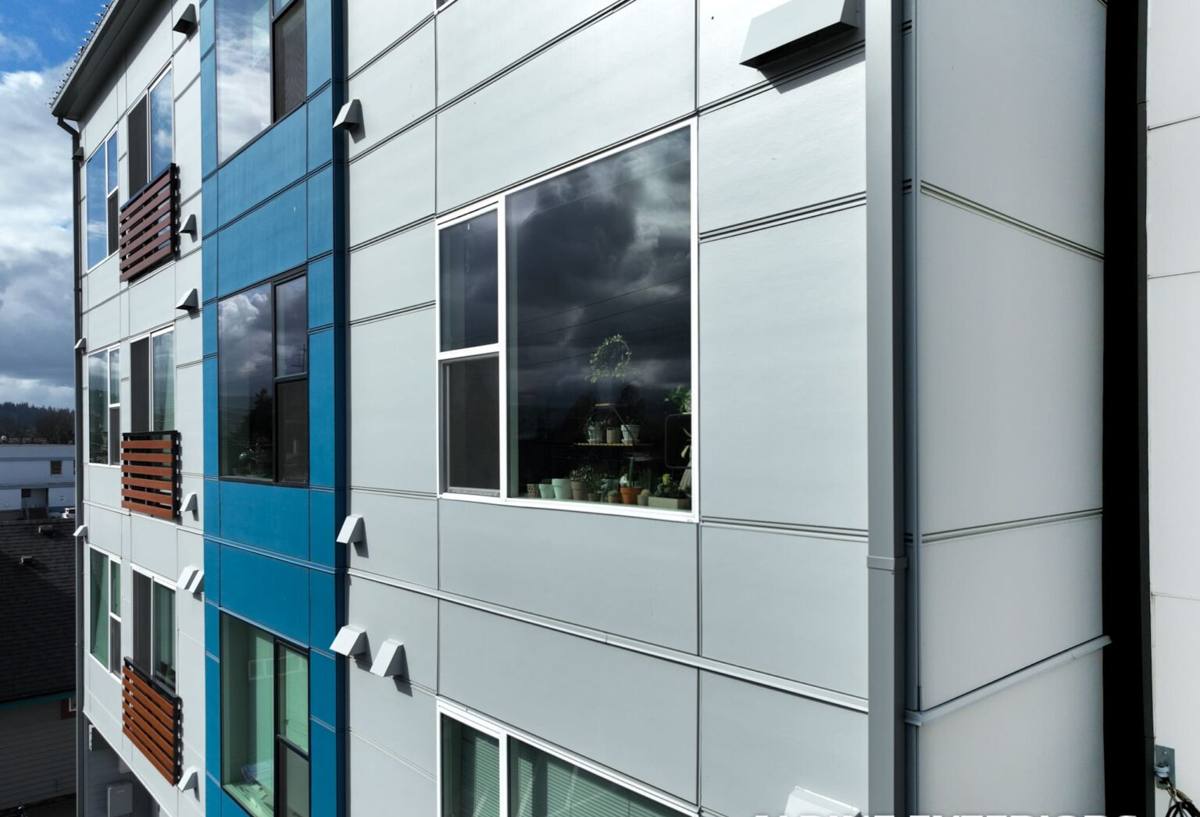
What "Correct" Siding Has to Handle in This Location
Salt Air and Corrosion
Airborne salt doesn't just affect metal roofing and railings — it settles on siding surfaces and works into fasteners, trim, and any exposed edge over time. Fiber cement itself doesn't rust or corrode, but the fasteners, flashing, and trim details around it absolutely can if the wrong materials are used. On a waterfront property like the ones throughout Island Estates, we spec corrosion-resistant fasteners and flashing as standard, not as an upgrade.
UV Exposure and Color Stability
Clearwater gets strong, near-constant UV exposure across the year. Field-painted siding — whether it's wood, LP SmartSide, or fiber cement painted after installation — is exposed to that UV from day one on a raw factory or job-site finish, and the paint film is the first thing to fade, chalk, or peel. That's a maintenance cycle every few years, on top of everything else a coastal home already demands.
Wind-Driven Rain and Water Intrusion
Wind off open water doesn't just blow — it drives rain horizontally into wall assemblies. If house wrap, flashing, and siding laps aren't installed to spec, water finds its way behind the cladding, and on a fiber cement job that usually shows up first as swelling, staining, or failure at the bottom edge of boards and around penetrations like hose bibs and light fixtures.
Hurricane-Force Wind Loads
Pinellas County sits in a high-wind coastal zone, and an island neighborhood like Island Estates has essentially no windbreak in any direction. Siding here has to be rated and fastened for real wind pressure, not just nailed up to look right on a calm day.
Why We Install Only James Hardie Fiber Cement
We don't install vinyl, LP SmartSide, Cemplank, Allura, or primed wood siding — not because those products can't be installed well somewhere, but because none of them match what a waterfront Clearwater home needs as consistently as James Hardie's fiber cement system does. Vinyl softens, warps, and becomes brittle under sustained heat and UV, and it isn't rated for the wind speeds coastal Pinellas County homes should be built for. Wood and wood-composite products need active moisture and finish maintenance to hold up in salt air and humidity — skip a cycle or two and problems compound fast. Other fiber cement brands may be reasonable products, but we've standardized our crews, our fastening schedules, and our warranty process around one system so every job gets done the same correct way, every time.
James Hardie fiber cement is non-combustible, dimensionally stable in heat and humidity, and available in HZ5 formulations engineered specifically for high-moisture, high-humidity climate zones like ours. Combined with a factory-applied ColorPlus finish, it gives Island Estates homeowners a siding system that's actually built for the environment it's going into, backed by a manufacturer warranty that's transferable if the home sells.
What a Correct Installation Actually Involves
Fiber cement siding is only as good as the installation behind it. On a coastal property, small shortcuts show up faster than they would inland. Every Island Estates job includes:
- A weather-resistant barrier installed and lapped correctly behind the siding, not just stapled up as an afterthought
- Flashing at every window, door, and penetration, integrated with the water-resistive barrier so water sheds outward, not into the wall
- Manufacturer-specified fastener type, length, and spacing — under-fastened siding is one of the first things to fail in sustained coastal wind
- Proper clearance between the bottom edge of siding and roof lines, decks, and grade, so water and debris don't sit against the material
- Correctly caulked and sealed joints using products rated for the flexibility and UV exposure of this climate
- Attention to inside and outside corners, which take the brunt of wind-driven rain on a waterfront lot
None of this is unusual or optional — it's simply what James Hardie's own installation instructions call for. Skipping any of it is how a good product ends up with a bad reputation on a specific house.
Our Process, Start to Finish
Assessment and Estimate
We walk the exterior, check the condition of the existing siding and the wall assembly underneath where it's exposed, and talk through what's driving the replacement — storm damage, age, moisture issues, or just wanting something that will actually hold up on the water. You get a written estimate that spells out the HardiePlank or HardiePanel product, profile, and color being used.
Preparation and Removal
Old siding comes off, and we inspect sheathing and framing underneath for rot or moisture damage before anything new goes up. On older Island Estates homes, this step sometimes turns up issues that were hidden behind the original siding for years — we flag those before covering them back up, not after.
Weather Barrier and Flashing
This is the layer that actually keeps water out, and it's the one homeowners never see once the job is done. We install it to manufacturer spec, every time.
Siding Installation
HardiePlank, HardiePanel, or trim goes up per James Hardie's fastening and clearance requirements, finished with corrosion-resistant hardware suited to a salt-air environment.
Final Walkthrough
We walk the finished exterior with you, check caulking and trim lines, and go over care going forward.
Comparing Siding Options for a Waterfront Clearwater Home
| Factor | James Hardie Fiber Cement | Vinyl | Wood / LP SmartSide |
|---|---|---|---|
| Wind performance | Rated for high coastal wind loads when installed to spec | Lower wind ratings; can crack or blow off in gusts | Structurally sound but fasteners and panels are wind-sensitive |
| Salt air / moisture | Doesn't rot, rust, or absorb water; HZ5 formulation for humid climates | Doesn't rot but can warp and discolor with heat/salt exposure | Vulnerable to moisture intrusion and rot without diligent upkeep |
| UV / color stability | Factory ColorPlus finish resists fading | Can fade and become brittle over time | Field-applied paint/stain fades and needs recoating |
| Fire resistance | Non-combustible | Combustible | Combustible |
| Typical maintenance | Periodic rinsing and caulk checks | Low, but limited repair options once damaged | Regular repainting/resealing on a set cycle |
Living With Fiber Cement Siding in a Salt-Air Environment
James Hardie siding is low-maintenance, not no-maintenance — that distinction matters more on the water than it does a few miles inland. Rinsing the exterior periodically helps clear salt residue before it builds up, especially on sides of the house that face open water or get less rain-washing from prevailing weather patterns. Caulked joints and trim seams are worth a visual check once or twice a year, since caulk is the one component that ages faster in constant UV and salt exposure than the siding itself. Keeping landscaping and irrigation from spraying directly onto the base of the siding also helps, since repeated wetting at the bottom edge is one of the more common issues we see on waterfront homes regardless of siding material.
Why Local Experience in Island Estates Actually Matters
A siding crew that mostly works inland neighborhoods isn't automatically going to get the flashing, fastening, and clearance details right on a canal-front or open-water lot the first time. Wind exposure, salt content in the air, and storm-driven rain angles are different out here, and the installation has to account for that rather than following a generic checklist. When you're vetting who does this work on your home, it's worth asking directly about their experience with waterfront and coastal-exposure properties specifically, not just siding jobs in general.
A few things worth confirming before hiring anyone for this kind of work:
- Are they a certified or experienced James Hardie installer, and can they explain the fastening schedule they'll use for a high-wind zone
- Do they inspect and address the wall assembly underneath, not just the visible siding
- What flashing and weather-barrier details do they use around windows, doors, and penetrations
- Do they have direct experience with waterfront or open-exposure properties in Pinellas County
- Is the manufacturer warranty transferable, and is it clearly explained in writing
Good answers to those questions tell you more about the quality of the job than any brochure will.
If your Island Estates home needs new siding — whether it's storm damage, age, or a home you're getting ready to sell — we're happy to walk the exterior with you and put together a free, no-pressure estimate using James Hardie fiber cement built for exactly this kind of coastal exposure.