 Clearwater Roofing
 Siding Repair Built for Harbor Oaks, Not a Generic Florida Street
Harbor Oaks is one of Clearwater's older, established neighborhoods, with a mature tree canopy and homes that have weathered decades of Gulf Coast summers. That combination — shade, humidity, older construction, and closeness to open water — puts a different kind of stress on exterior siding than you'd see on a brand-new subdivision a few miles inland. A repair approach that works fine somewhere else in Pinellas County isn't automatically the right approach here.
This page is about one job: repairing damaged or failing siding on a Harbor Oaks home, done correctly the first time. Not a sales pitch for a full re-side you don't need, and not a patch job that looks fine for a season and fails again next hurricane cycle.
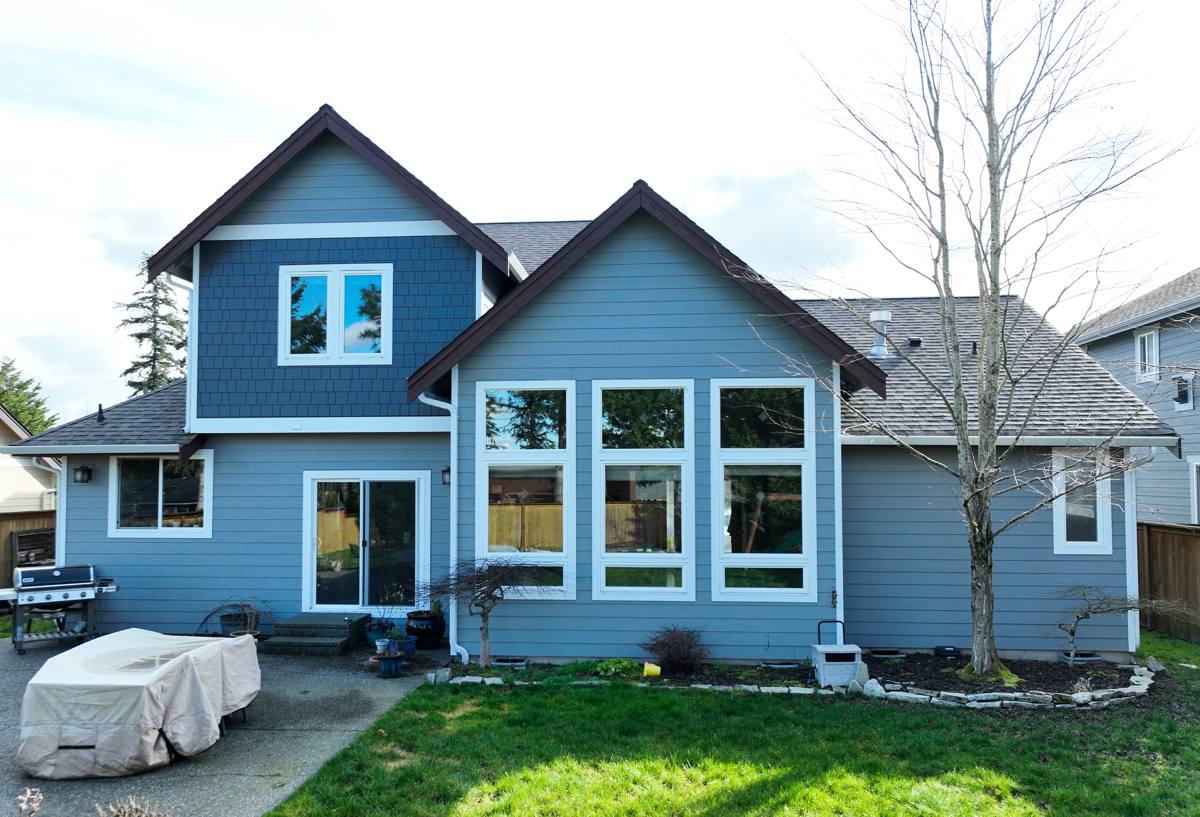
What Harbor Oaks Siding Is Actually Up Against
Wind and Storm Exposure
Clearwater sits directly in the path of Gulf-fed storm systems, and Harbor Oaks' older lots often have less setback from prevailing wind than newer construction. Wind-driven rain doesn't just soak the front of a house — it drives moisture up under lap joints, around trim, and into any gap that's opened up over the years. Repeated wind-loading over a hurricane season or two is often what turns a small crack into a section that needs full replacement.
Year-Round UV
Florida sun is relentless on painted and unfinished siding surfaces. UV breaks down caulk, dries out wood fiber, and fades factory finishes faster than most homeowners expect. On a shaded street like many in Harbor Oaks, sun exposure is uneven — the south and west-facing walls take the brunt of it while the shaded sides stay damp longer. That mismatch means damage rarely shows up evenly across a house.
Moisture and Humidity
Mature trees are one of the things that make Harbor Oaks pleasant to live in, but they also mean more shade, more leaf litter against the house, and slower drying after rain. Siding that stays damp longer is siding where rot, mold, and paint failure get a head start, especially at the bottom courses and anywhere gutters or downspouts dump water close to the wall.
Salt Air
Being close to Clearwater Harbor and the broader Tampa Bay coastline means salt-laden air is a constant, even on days without a drop of rain. Salt accelerates corrosion on fasteners, flashing, and any exposed metal trim, and it speeds up the breakdown of caulk and paint film. Homes here need materials and hardware that are actually rated to handle it, not just siding that looks good on day one.
Signs Your Harbor Oaks Home Needs Siding Repair
Most siding problems don't announce themselves as an emergency — they show up as small, easy-to-ignore details. On older Harbor Oaks homes, we look for:
- Soft or spongy spots when you press on the siding, especially near the bottom courses or under windows
- Visible cracking, buckling, or warping in one or two boards while the rest of the wall looks fine
- Paint that's peeling, bubbling, or flaking in a localized area rather than uniformly across the house
- Gaps opening up at seams, corners, or where siding meets trim, window frames, or the roofline
- Dark streaking, mold, or a persistent musty smell near an exterior wall
- Rusting or staining around nail heads and metal fasteners
- Increased pest activity — carpenter ants and other wood-seeking insects often move in before damage is visible from the street
Any one of these on its own might be minor. Two or three together, especially on a wall that gets heavy sun or sits in shade most of the day, usually means water has already gotten past the surface.
Repair or Replace? How We Actually Decide
Not every damaged section means a full re-side, and we're not going to tell you it does. The honest answer depends on how far the damage has spread and what's underneath it.
| Factor | Usually Points to Repair | Usually Points to Replacement |
|---|---|---|
| Extent of damage | Isolated to one or two boards or a single wall section | Spread across multiple walls or the whole house shows similar age-related wear |
| Sheathing/framing condition | Solid, dry wood behind the damaged siding | Rot has reached the sheathing or framing |
| Age of existing siding | Siding is relatively young and otherwise sound | Siding is past its realistic service life or was a lower-grade product to begin with |
| Cause of damage | A one-time event — storm impact, a failed piece of flashing | Ongoing moisture intrusion or a systemic installation flaw |
| Color/material match | Replacement boards can match existing siding closely | Product is discontinued or too faded to blend in |
We'll walk the exterior, check moisture readings where we suspect trouble, and give you a straight answer — including telling you when a repair is the right call and a full re-side would be overkill.
What a Correct Siding Repair Actually Involves
A repair that only addresses what's visible from the ground is a repair that fails again. On a Harbor Oaks home, that usually means:
- Removing more than the obviously damaged piece. Water travels behind siding, so we pull back enough surrounding material to find where the damage actually stops, not just where it's visible.
- Inspecting and repairing the water-resistive barrier. If the house wrap or building paper behind the siding is torn or degraded, patching over it just traps the same problem.
- Checking and correcting flashing. Around windows, doors, and roof intersections, bad or missing flashing is one of the most common root causes of localized siding failure — and the most commonly skipped step in a quick patch job.
- Replacing with matching, climate-appropriate material. Mismatched profiles, thicknesses, or finishes stand out and can create their own moisture traps at the seams.
- Sealing and fastening to spec. Correct fastener type, spacing, and caulk selection matter more here than in a drier climate — salt air and UV both attack cheap hardware and low-grade sealant fast.
- Final finish work. Painting or color-matching the repaired section so it blends with the rest of the wall, not a patch that's obvious from the street.
Why We Only Repair and Install James Hardie Fiber Cement
When a repair calls for replacement material — or when damage is extensive enough that patching isn't realistic — we use James Hardie fiber cement, and we don't install vinyl, LP SmartSide, or other engineered wood products. That's not a marketing preference, it's a standard we hold because of what this climate does to alternatives over time.
Vinyl can warp and become brittle under sustained UV and heat, and it isn't the product you want facing direct storm wind. Engineered wood products depend heavily on unbroken paint film and correct edge sealing to keep moisture out — exactly the vulnerability that Harbor Oaks' humidity and tree cover exploit. James Hardie's fiber cement is non-combustible, holds up to wind-driven rain and salt air far better than wood-based alternatives, and its ColorPlus factory finish is baked on to resist the fading that Florida sun causes to field-applied paint. For repair work specifically, that means a patched section is more likely to keep matching the rest of your siding for years, not just for the first summer.
Our Process for Harbor Oaks Homeowners
We keep the process straightforward because a siding repair shouldn't feel complicated:
- On-site assessment. We look at the damaged area and the surrounding siding, check for moisture intrusion, and identify the root cause — not just the symptom.
- Honest scope and estimate. You get a clear explanation of what needs to happen and why, including if a small repair is genuinely sufficient.
- Material match or upgrade. Where we can match your existing siding, we will. Where matching isn't realistic, we'll talk through options rather than surprise you.
- Correct repair, not a cosmetic patch. Barrier, flashing, and fastening get addressed, not just the visible board.
- Clean finish. The repaired section is painted or finished to blend with the rest of the home.
Why Local Experience in Harbor Oaks Matters
A crew that already works in Harbor Oaks knows the pattern of damage these homes tend to develop — where shade and slow-drying walls cause problems, how older construction here was typically built, and what flashing and trim details are common on homes of this vintage. That's the difference between a contractor who has to relearn the neighborhood on your dime and one who can walk up, recognize the likely cause in minutes, and repair it correctly the first time.
It also matters for something more practical: availability. After a storm rolls through the Clearwater area, siding repair demand spikes across Pinellas County all at once. A contractor with an established presence in your neighborhood is easier to reach and more likely to prioritize a return customer's street than one working from across the county for the first time.
Get a Straight Answer on Your Siding Repair
If you're seeing cracked, warped, or water-damaged siding on your Harbor Oaks home, don't wait for a small problem to become a bigger one — Florida humidity and the next storm season won't wait either. We'll come take a look, tell you honestly whether it's a repair or something more, and give you a free, no-pressure estimate using the form below.