 Clearwater Roofing
 Why Indian Rocks Beach Asks More of a Window Than Most Homes Ever Will
Indian Rocks Beach sits out on the barrier island chain west of Clearwater, with the Gulf on one side and the Intracoastal on the other. That location is the whole appeal of living there, and it's also why windows on this stretch of Pinellas County wear out faster than the same product would ten or fifteen miles inland. Salt-laden air is in constant contact with frames, hardware, and seals. Afternoon sun beats on west-facing glass nearly every day of the year. And when a tropical system or a strong summer squall line moves through, these homes take wind-driven rain and sustained wind pressure with nothing between them and open water to slow it down.
None of that means Indian Rocks Beach homeowners need to overspend on windows. It means the choices that don't matter much in a subdivision ten miles inland — frame alloy, hardware finish, glazing method, how the opening is flashed — matter quite a bit here. A window that's a fine, ordinary choice in a landlocked neighborhood can be the wrong choice a few blocks from the Gulf.
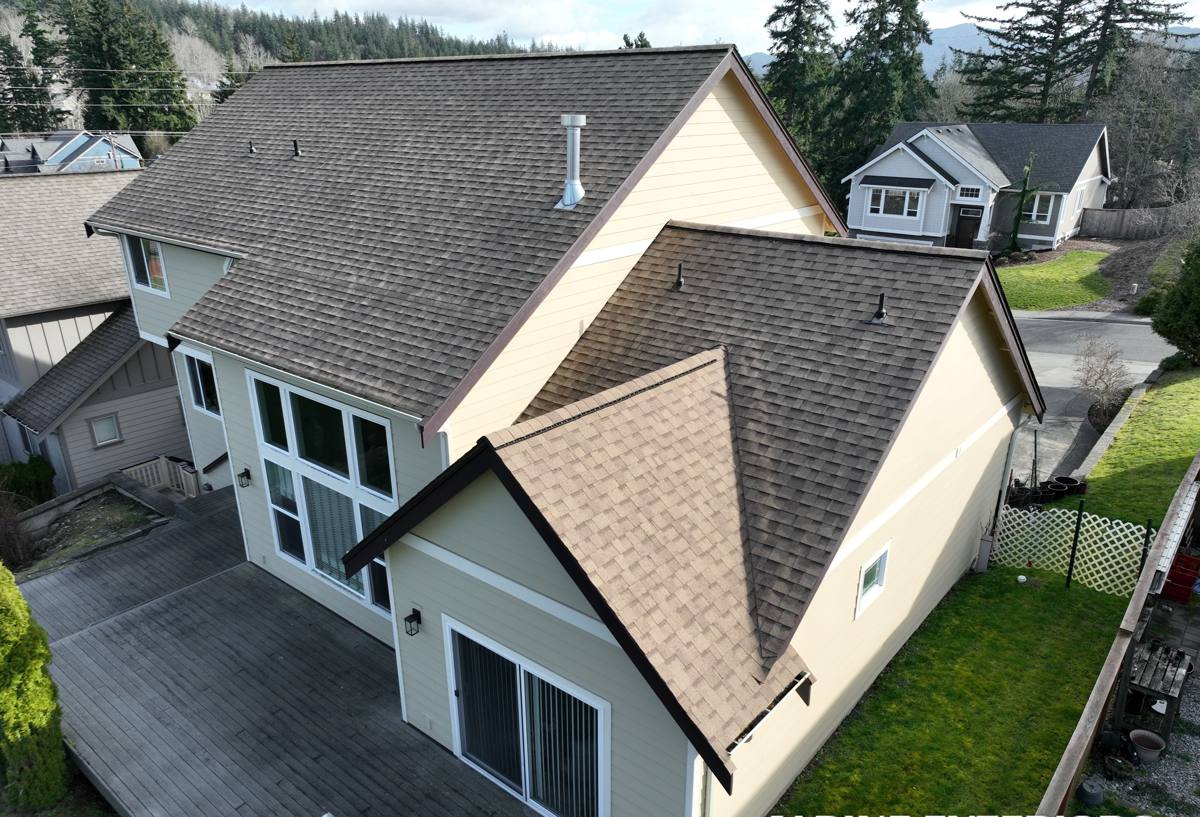
What a Correct Job Looks Like on a Barrier Island
Wind Pressure and Product Approval
Every replacement window installed in Pinellas County has to carry a current Florida Product Approval (or Miami-Dade NOA where that's used as the compliance path) that matches the wind pressure the opening will see. That pressure isn't the same number for every house — it depends on the home's exposure category, how close it sits to open water, roof height, and where on the building the opening is located. A corner window on a bayfront home can require a higher-rated unit than a similar-sized window on a more sheltered wall. This is engineering, not a sales feature, and it's worth asking any contractor to show you the approval documentation for the specific product they're proposing for your specific opening.
Flashing and Waterproofing
Wind-driven rain doesn't need a hurricane to find a gap. On exposed coastal walls, ordinary wind-driven storms push water sideways and upward against the building, so the window itself is only half the job — the flashing, sealant, and integration with the wall's water-resistive barrier are the other half. A correctly installed window sheds water even when the wall around it is briefly saturated. An incorrectly flashed one will eventually show its problems as staining, soft drywall, or mold around the interior trim, sometimes a year or more after installation, long after the crew that cut corners is gone.
Permitting
Window replacement is permitted work under the Florida Building Code, and that permit is what actually confirms the product approval, design pressure rating, and installation method are documented and inspected — not just promised verbally. Skipping the permit might save a few days, but it also removes the paper trail you'd want if you ever file an insurance claim or sell the home and a buyer's inspector asks for permit history.
Signs Your Current Windows Are Losing the Fight
Coastal wear shows up gradually, and homeowners often adjust to it without noticing how far it's progressed. Watch for:
- Cloudy or foggy glass between the panes — a sign the seal has failed and the insulating gas or air gap is compromised
- Corrosion, pitting, or white powdery buildup on aluminum frames or hardware
- Cranks, locks, or sliding tracks that have gotten stiff, gritty, or hard to latch fully
- Visible daylight, drafts, or whistling around the frame during windy conditions
- Water intrusion or staining on the interior wall or sill after wind-driven rain
- Single-pane glass or original aluminum-frame windows on a home that hasn't been updated since it was built
- Noticeably higher cooling bills in summer relative to similar-sized homes nearby
Any one of these on its own might just mean a repair. Several at once, especially on a home with older windows, usually means replacement is the more honest recommendation — repeated repairs on end-of-life coastal windows tend to cost more over a few years than doing the job once, correctly.
Frame Material: What Holds Up in Salt Air
There's no single "best" frame material for every home — budget, appearance, and how close the house sits to open salt water all factor in. Here's how the common options compare specifically for a barrier-island environment:
| Frame Material | Salt-Air Performance | Maintenance | Typical Trade-Off |
|---|---|---|---|
| Vinyl | Good — won't corrode or rust | Low; occasional cleaning | Can discolor or become brittle under years of intense UV if lower-grade |
| Aluminum | Fair to good with marine-grade coatings; ordinary mill-finish aluminum corrodes faster near the Gulf | Moderate; coatings need to be maintained | Thinner sightlines but more sensitive to salt exposure than vinyl or fiberglass |
| Fiberglass / composite | Very good — dimensionally stable, resists corrosion | Low | Higher upfront cost than vinyl |
| Wood or wood-clad | Poor unmaintained — moisture and salt accelerate rot at joints and sills | High; regular sealing/painting required | Best reserved for interior-facing openings, not exposed coastal walls |
Hardware matters as much as the frame. Look for stainless steel or otherwise corrosion-rated hinges, cranks, and locks — standard-grade hardware is often the first thing to fail on a coastal window, well before the frame or glass show any problems.
What Actually Drives the Cost
Two homes with the same number of windows can land at very different totals once the specifics are factored in. The broad ranges below are for orientation only — every home gets a firm number after an on-site assessment, not a phone estimate.
| Cost Factor | Why It Moves the Price |
|---|---|
| Impact rating and design pressure | Higher wind-pressure ratings and laminated impact glass cost more than standard non-impact units |
| Window size and type | Large fixed picture windows, sliders, and bay/bow configurations cost more than standard single or double-hung units |
| Frame material | Fiberglass and impact-rated aluminum generally run higher than standard vinyl |
| Number of openings | Per-window cost typically drops somewhat when a full-house replacement is done in one project |
| Existing condition of the opening | Rot, water damage, or out-of-square framing found once old windows come out adds repair work before the new unit goes in |
| Access and height | Second-story or hard-to-reach openings take more labor time |
How We Approach a Window Replacement Project
- On-site assessment. We look at each opening, note existing frame condition, check for water damage or rot around the sill and jambs, and measure for accurate sizing.
- Product selection. We recommend frame material and glass package based on the home's actual exposure — a Gulf-facing wall and a shaded interior courtyard opening don't need identical specs.
- Permitting. We pull the required permit and confirm the product approval documentation matches what's being installed before work starts.
- Removal and prep. Old units come out carefully so we can inspect and repair the framing and water-resistive barrier underneath — this is where problems hiding behind old windows usually surface.
- Installation and flashing. New windows are set, shimmed level and plumb, and integrated into the wall's flashing and sealant system so water sheds away from the opening.
- Final inspection and walkthrough. We confirm proper operation on every unit and close out the permit with the required inspection.
Why a Crew That Already Works Indian Rocks Beach Is Worth Something
A contractor based near Clearwater who regularly works barrier-island properties has already dealt with the practical realities that slow other crews down: getting materials and equipment across to the island efficiently, working around the tighter lots and setbacks common on beach properties, and knowing which product approval documentation the local permitting office expects to see without back-and-forth delays. That familiarity translates into fewer surprises mid-project.
It also means the recommendation you get reflects real experience with how materials actually perform a few hundred feet from the Gulf — not a generic spec sheet. A crew that has gone back to service or inspect its own past installations on the island knows which hardware finishes hold up and which frame details tend to need attention sooner near salt water. That's a different kind of knowledge than what any single product brochure can tell you.
Living With New Windows in a Salt-Air Environment
Even correctly chosen, correctly installed windows benefit from basic upkeep on the coast. Rinsing frames and tracks periodically with fresh water helps clear salt residue before it accelerates corrosion or gums up moving hardware. Keeping weep holes clear of sand and debris lets water drain the way it's designed to. And an annual look at exterior sealant around the frame — checking for cracking or gaps — catches small maintenance items before they become water intrusion problems. None of this is difficult, but it's easy to overlook until a window starts sticking or a seal starts to fail.
If you're weighing whether it's time to replace windows on an Indian Rocks Beach property, we're happy to take a look and give you a straight answer — including telling you if a repair is the more sensible move for now. Reach out for a free, no-pressure estimate using the form below.