 Clearwater Roofing
 Windows Built for a Waterfront Island Neighborhood
Island Estates sits differently than most Clearwater neighborhoods. It's surrounded by water on nearly every side, which means homes here take on more direct exposure to salt-laden air, open-water wind gusts, and reflected sun off the harbor than a comparable house a mile inland. Windows in this kind of environment don't fail the same way they do in a typical subdivision — hardware corrodes faster, seals break down sooner under constant humidity swings, and older single-pane or non-impact windows simply weren't built for the wind loads this location can see during a tropical system.
Energy-efficient windows done right in Island Estates aren't just about lower power bills, though that matters. They're about matching the window — frame material, glass package, and installation method — to a marine, high-wind environment so it actually performs for its full warranty life instead of degrading in five or six years.
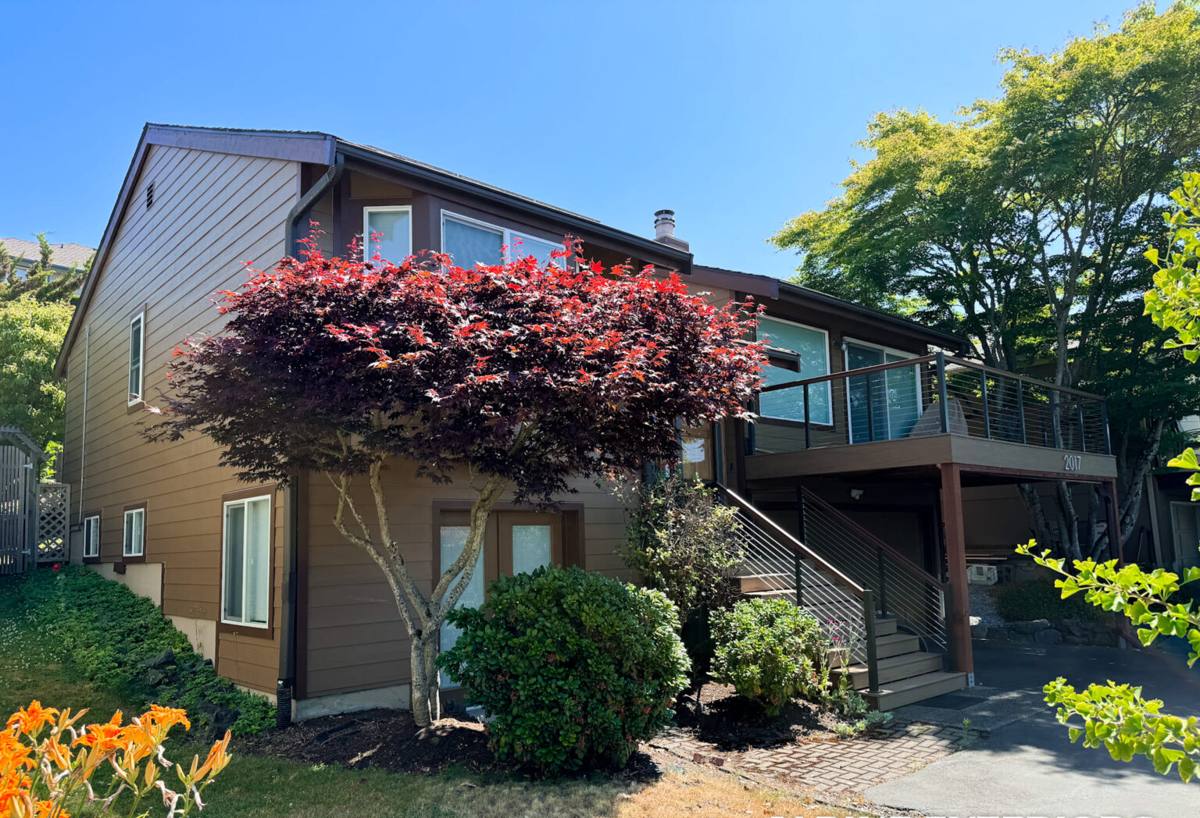
What "Energy-Efficient" Actually Means on This Part of the Gulf Coast
Inland or in a milder climate, an energy-efficient window mostly comes down to the glass package — low-E coatings, gas fills, a good U-factor. On the Pinellas County coast, that's only half the job. A window here has to do two things at once: block heat gain from intense, near year-round Florida sun, and hold up structurally against wind-driven rain and storm-force gusts without losing its seal.
Those two goals actually reinforce each other. A window with a tight, properly engineered frame and a well-sealed impact-rated glass unit resists air infiltration far better than a standard window, which means less conditioned air leaking out and less humid outside air leaking in. Homeowners who upgrade often notice the HVAC running less on hot afternoons and the indoor air feeling less muggy — that's the combined effect of solar control and a genuinely tight seal, not one feature working alone.
The Three Jobs a Window Has to Do Here
- Block solar heat gain during long, intense sun exposure without making rooms feel dark or tinted-looking
- Keep its seal and structural integrity through wind-driven rain and storm-force gusts
- Resist corrosion and UV breakdown from constant salt air exposure at the frame, hardware, and weatherstripping level
The Real Cost of the Wrong Window in This Environment
We see the same failure patterns repeatedly on waterfront and near-waterfront Clearwater homes. Aluminum hardware that wasn't properly rated for marine exposure pits and seizes within a few years. Weatherstripping that's fine in a drier inland climate compresses and cracks faster here from constant humidity and UV. Older single-pane or non-impact windows let in enough heat that the AC short-cycles, driving up both the power bill and wear on the system.
There's also a quieter cost: moisture intrusion. A window that isn't flashed and sealed correctly for wind-driven rain doesn't always show a problem on day one. It shows up months later as a soft spot in the drywall, a musty smell, or wood rot around the frame — and by then the fix is bigger than a window replacement. Getting the installation detail right the first time is cheaper than fixing water damage later.
What a Correct Installation Actually Involves
The window unit itself is maybe half of what determines performance. The other half is installation detail, and it's where a lot of corners get cut on jobs that look fine at first.
Steps We Don't Skip
- Opening inspection — checking the rough opening for existing water damage, wood rot, or settling before anything new goes in. Installing a new window into a compromised opening just hides the problem.
- Proper flashing — integrating the window with the wall's water management system so wind-driven rain sheds outward instead of finding its way behind the frame.
- Correct fastening for wind load — using the fastener type, spacing, and anchoring called for by the window's product approval, not a generic pattern.
- Sealant compatible with stucco or siding — the wrong sealant chemistry can fail against certain exterior finishes within a year or two.
- Interior and exterior seal check — confirming there's no air or water path around the perimeter before we call the job done.
Skipping or rushing any one of these steps is how a good window ends up performing like a bad one.
Frame and Glass Options: How They Compare
There's no single "best" window for every home — it depends on budget, the home's exposure, and what the homeowner is trying to solve (energy bills, storm protection, noise, or all three). Here's how the common options stack up for a coastal Clearwater property.
| Frame Material | Salt-Air Durability | Energy Performance | Typical Investment Level |
|---|---|---|---|
| Vinyl | Good — won't corrode, but can discolor over time in intense UV if lower-grade | Strong when paired with a quality low-E glass package | Budget to mid-range |
| Aluminum (marine-grade) | Fair to good depending on coating quality; standard aluminum corrodes faster near salt air | Moderate — more prone to heat transfer through the frame unless thermally broken | Mid-range |
| Fiberglass / composite | Excellent — highly resistant to corrosion and UV degradation | Strong — low expansion/contraction helps maintain a tight seal over time | Upper end |
For most Island Estates homes we're weighing impact-rated vinyl or fiberglass against upgraded marine-grade aluminum, depending on the home's architecture and the homeowner's priorities. We'll walk through the honest trade-offs for your specific house rather than pushing one product line.
Impact Glass vs. Standard Glass Plus Shutters
Impact-rated windows use laminated glass that stays intact even when the outer pane cracks, which keeps the window envelope closed during a storm and adds a meaningful layer of year-round security and noise reduction. Standard glass paired with removable or accordion shutters can also meet code and costs less upfront, but it means deploying shutters before every storm and living without that noise/security benefit the rest of the year. Neither choice is wrong — it's a genuine trade-off between upfront cost and everyday convenience.
Permitting and Wind Requirements in Pinellas County
Coastal and near-coastal properties in Pinellas County, including waterfront neighborhoods like Island Estates, fall within the Florida Building Code's wind-borne debris region. That means window replacements here typically require either impact-rated glass or code-compliant shutter protection, along with a permit and inspection — this isn't optional paperwork, it's what confirms the installation was actually done to the wind load the code requires for your location. We handle the permit application, coordinate the inspection, and make sure the product approval documentation for the specific windows installed matches what's required for your address. Skipping this step, or hiring someone who does, can create real problems later — from failed inspections to complications when you go to sell the home or file an insurance claim.
Our Process, Start to Finish
1. On-Site Assessment
We look at your existing windows, note any signs of water intrusion or frame damage, and talk through what's actually driving the upgrade — energy bills, storm protection, comfort, noise, or a combination.
2. Product Recommendation
Based on your home's exposure and the trade-offs above, we recommend frame and glass options that fit your goals and budget — with the reasoning explained, not just a product pushed on you.
3. Measurement and Ordering
Precise measurements matter more on impact-rated units than standard windows, since the assemblies are heavier and less forgiving of a sloppy opening.
4. Permitting
We pull the required Pinellas County permit before installation begins, so the job is inspected and documented correctly.
5. Installation
Old windows come out, the opening is inspected and prepped, and new units go in following the flashing, fastening, and sealing steps outlined above.
6. Final Walkthrough and Inspection
We confirm operation, seals, and finish work with you, and coordinate the county inspection to close out the permit.
Maintaining Energy-Efficient Windows in a Salt-Air Environment
Even a correctly installed, high-quality window benefits from basic upkeep in this climate. A little maintenance goes a long way toward protecting the investment.
- Rinse frames and hardware periodically with fresh water to remove salt buildup, especially after storms or high-wind days
- Check weatherstripping annually for cracking or compression and replace it before it fails completely
- Lubricate locks, hinges, and rollers with a marine-appropriate lubricant rather than a generic household product
- Inspect exterior sealant lines yearly for cracking or separation from the frame or wall surface
- Keep an eye on interior sills and drywall near windows for any signs of moisture after heavy wind-driven rain
- Have screens and tracks cleared of debris and salt film so drainage weep holes aren't blocked
Why It Matters to Hire a Crew That Already Works This Neighborhood
Island Estates isn't a typical inland Clearwater street, and windows here get treated differently by contractors who understand that versus those who don't. A crew that regularly works waterfront and near-waterfront properties in Pinellas County already knows which hardware finishes hold up, which sealant products actually bond well to local stucco and siding types, and what the permitting office expects for documentation on impact-rated products. That familiarity shows up in fewer callbacks, fewer failed inspections, and windows that still perform the way they should five and ten years down the road — not just on installation day.
If you're weighing a window upgrade for a home in Island Estates, we're happy to come take a look, walk you through honest options for your specific exposure and budget, and put together a free, no-pressure estimate using the form below.