 Clearwater Roofing
 Clearwater Beach Puts Siding Through a Different Test
A home a few miles inland in Pinellas County deals with heat and humidity. A home on Clearwater Beach deals with all of that plus a barrier island's constant salt air, near-continuous onshore wind, and direct exposure during tropical storms and hurricanes. Siding here isn't just cosmetic — it's a structural weather barrier that has to hold up to conditions that inland siding never sees in the same combination or intensity.
Salt-laden air corrodes fasteners, trim accessories, and lower-quality cladding faster than plain humidity does. Wind-driven rain doesn't just hit a wall — on an exposed barrier island it gets pushed sideways and upward, finding any gap in flashing, caulking, or lap joints. Year-round UV exposure fades paint and breaks down some siding materials from the outside in. And sustained high winds put real mechanical load on every fastener and panel edge. Any siding product or installation method that isn't built for that combination will show it early — chalking, streaking, soft spots, or fastener failure well before it should.
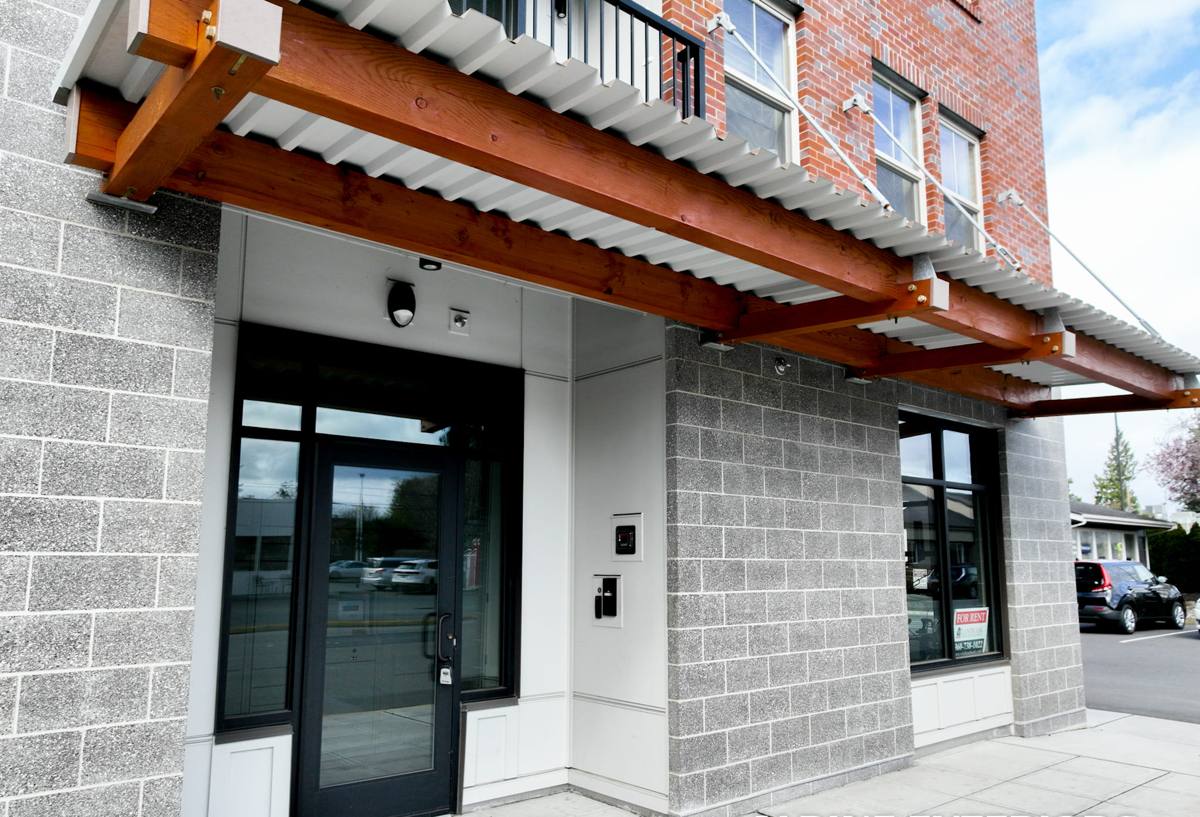
Why We Only Install James Hardie on Homes Like These
We install James Hardie fiber cement exclusively, and Clearwater Beach is exactly the kind of environment that decision was made for. Hardie's fiber cement board is non-combustible, dimensionally stable in heat and humidity swings, and available in HZ product lines engineered specifically for hot, humid, high-moisture climates like the Gulf Coast. That matters more here than almost anywhere else in the Tampa Bay area, because a barrier island home gets the full combination of salt exposure, wind, rain intrusion, and UV at once.
The factory-applied ColorPlus finish is also relevant here in a very practical way: it's baked on and warranted against fading, which matters when a home is getting more direct, reflected, and UV-intensified sunlight than an inland property. Field-painted materials and some lower-cost siding products don't hold color the same way under that kind of sun exposure, and repainting a home on the beach isn't a small expense to keep repeating every few years.
What "Climate-Engineered" Actually Means
James Hardie's HZ5 product line (the specification typically used in this region) is formulated and tested for high-humidity, high-moisture climates — it resists moisture-related expansion and the cracking or buckling that can come with it. That's a meaningful difference from generic fiber cement or from wood-based and foam-backed products that were never engineered with Gulf Coast humidity and salt exposure specifically in mind.
What a Correct Installation Involves on a Coastal Home
Fiber cement siding is only as good as the installation behind it, and that's especially true on an exposed barrier island property. A correct job isn't just nailing boards to a wall — it's a system of details that work together to keep wind-driven water out and keep the siding fastened securely through sustained wind events. The manufacturer's installation instructions exist for a reason, and skipping steps is exactly where coastal siding jobs fail early.
- Substrate and moisture check: Sheathing is inspected for existing moisture damage or rot before anything new goes up. Covering a wet or compromised substrate with new siding just hides a problem.
- Weather-resistive barrier: A correctly lapped and sealed water-resistive barrier goes over the sheathing, with all penetrations and seams properly taped or flashed.
- Flashing at every transition: Windows, doors, roof-to-wall intersections, and any other penetration get proper flashing so wind-driven rain has nowhere to track behind the cladding.
- Correct clearances: Hardie specifies minimum clearances from roofing, decking, and grade to prevent standing water and splash-back from sitting against the bottom of the siding.
- Fastening to spec: Fastener type, spacing, and embedment matter more in high-wind zones — under-fastened siding is one of the most common causes of panels failing in a storm.
- Joint treatment and caulking: Butt joints, corners, and trim need the right sealant, applied correctly, to stay watertight through repeated wet-dry and hot-cold cycles.
- Finish inspection: A final walk of every seam, corner, and penetration before the job is called done.
Skipping or rushing any one of these steps doesn't usually show up immediately — it shows up 2 to 5 years later as water intrusion, soft trim, or panels that have come loose in a wind event. On a beachfront home, the cost of redoing a poorly installed job is higher, and the consequences of a failure are worse, than almost anywhere else in the county.
How Our Process Works
We approach every Clearwater Beach siding project the same structured way:
- On-site assessment: We look at the current siding, trim, sheathing condition where accessible, and any signs of past water intrusion before quoting anything.
- Scope and product selection: We walk through the right James Hardie panel style, texture, and HZ specification for the home and its exposure.
- Removal and substrate check: Old siding comes off and the sheathing underneath gets a real look before we cover it back up.
- Barrier and flashing installation: This is the step that determines whether the home stays dry — it doesn't get shortcuts.
- Hardie installation to manufacturer spec: Fastening, clearances, and joint treatment done to the product's published requirements, not a generic approach carried over from other siding materials.
- Final walkthrough: We review the finished work with the homeowner and address anything before we consider the job complete.
Coastal Siding Materials, Compared
Homeowners on Clearwater Beach often ask how James Hardie stacks up against the other materials they've seen used nearby. Here's an honest look at the practical trade-offs in this specific environment:
| Factor | James Hardie Fiber Cement | Vinyl Siding | Wood or LP-Style Composite |
|---|---|---|---|
| Salt air / corrosion resistance | Strong — non-combustible, stable material with corrosion-resistant fastening when installed to spec | Can become brittle and discolored faster under salt and intense UV | More vulnerable to moisture-driven rot and coating breakdown |
| Wind performance | Engineered and rated for high-wind installation when fastened to spec | Lighter panels more prone to wind uplift and cracking in gusts | Performance varies widely by product and installation quality |
| UV / color retention | Factory-baked ColorPlus finish resists fading | Color is molded through the material but can chalk and fade over time | Field-applied paint or coatings typically need more frequent recoating |
| Moisture behavior | Formulated for high-humidity climates (HZ5 line) | Doesn't absorb water but can trap moisture behind panels if not vented properly | More susceptible to swelling, rot, or delamination if moisture gets in |
| Fire resistance | Non-combustible material | Combustible | Combustible |
None of this means every home that ever had vinyl or a composite product installed made the wrong call for its situation — it means that for the specific combination of salt exposure, wind, and UV a Clearwater Beach home deals with year-round, we've standardized on the material that's engineered to hold up best.
Why Local Experience on Clearwater Beach Actually Matters
A siding crew that hasn't worked barrier island homes before is learning on your project. Access can be tighter, staging materials takes more planning around narrow lots and neighboring properties, and many properties here are governed by condo association or HOA exterior guidelines that affect approved colors, materials, or work hours. A crew that already works this area knows how to plan around those realities instead of discovering them mid-job.
There's also a maintenance-and-inspection rhythm that's different on the beach. Salt residue builds up on exterior surfaces faster here than inland, and a contractor familiar with the area understands what normal wear looks like on a 2-year-old install versus what's actually a flashing or caulking issue that needs attention. That familiarity shortens the time between "something looks off" and "here's what's actually going on."
Questions Worth Asking Before You Hire
- Have they installed siding on other barrier island or immediate-coastal properties in Pinellas County?
- Do they install to James Hardie's published fastening and clearance specifications, or a generic approach?
- Will they check the sheathing condition before covering it, not just quote off a visual exterior look?
- Do they carry proper licensing and insurance for exterior work in Florida?
- Can they explain their flashing and moisture-barrier approach in plain terms, not just "we'll seal it up"?
Warranty and Long-Term Value
James Hardie backs its fiber cement products with a strong, transferable non-prorated limited warranty, and the ColorPlus factory finish carries its own finish warranty separate from the substrate warranty. On a coastal property, that transferability matters if the home changes hands — new owners inherit real, manufacturer-backed protection rather than starting from zero. Warranty coverage is also tied to correct installation, which is another reason the details in the process above aren't optional extras — they're what keeps the manufacturer's warranty intact if something ever needs to be addressed down the line.
Getting Started
If you're weighing a siding replacement or repair for a home on Clearwater Beach, we're glad to take a look and walk you through what we're seeing and what it would take to do the job right for this specific environment. Reach out for a free, no-pressure estimate using the form below.