 Clearwater Roofing
 Why Largo Decks Wear Out Faster Than Decks Up North
A deck in Largo doesn't get a break. It sits in direct Florida sun most of the year, takes on wind-driven rain during summer storms, and — if the home is anywhere near a canal, lake, or the Intracoastal — picks up a steady dose of salt air that speeds up corrosion on fasteners, hardware, and metal railings. Add in the occasional hurricane-force gust, and you've got a structure that's under more stress in five Florida years than a deck up north sees in fifteen.
That combination is why so many Largo decks that look "fine" from a distance are actually failing where it matters most: at the ledger board connection to the house, in the support posts near grade, and in fasteners that have quietly corroded under the decking boards. A deck replacement done right in this climate isn't just about new boards on top — it's about rebuilding the parts you can't see to standards that hold up here, not standards written for a drier, milder climate.
The Four Forces Working Against Your Deck
- UV exposure — breaks down wood fibers and degrades composite surface finishes over time, leading to graying, splintering, or fading
- Wind-driven rain — pushes moisture into joints, fastener holes, and end grain that a vertical rain would never reach
- Salt air — accelerates corrosion on standard fasteners, brackets, and hardware, especially on canal-adjacent and lakefront lots
- Wind load — hurricane-force gusts put real lateral and uplift stress on railings, ledger connections, and post bases
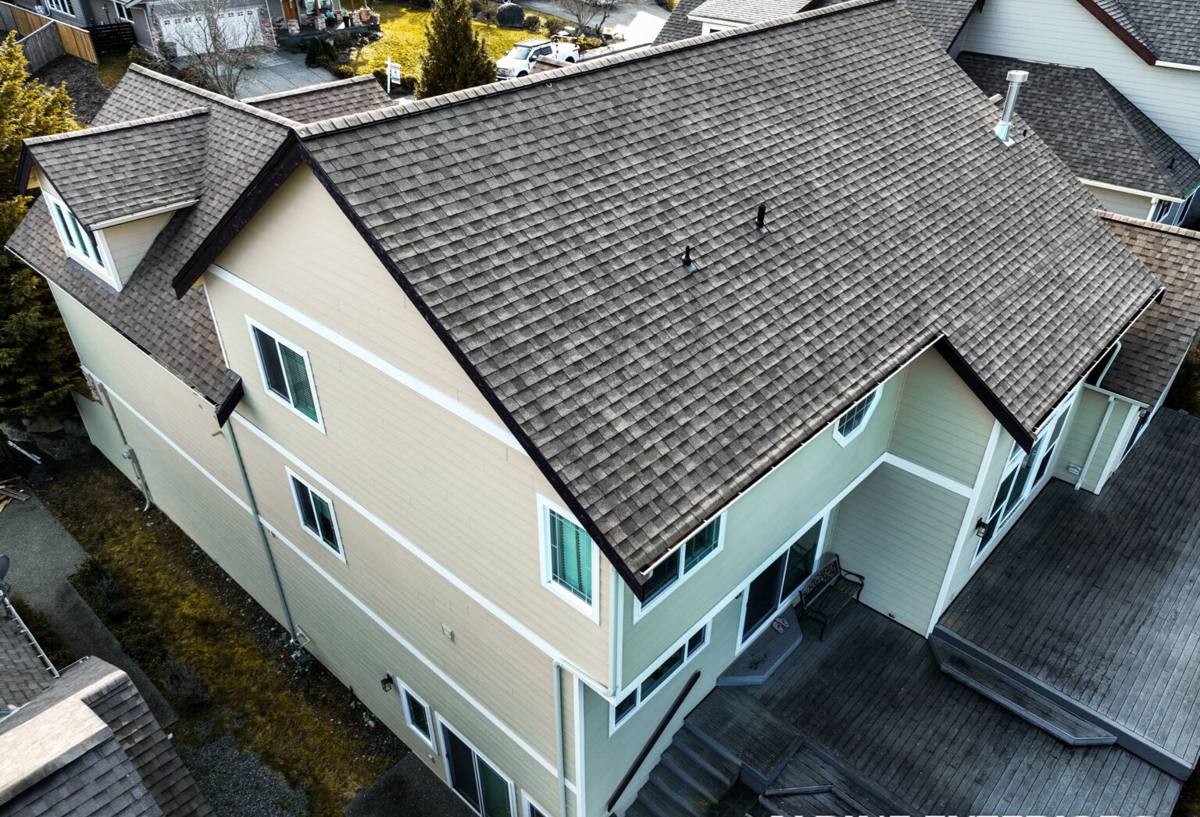
Signs Your Largo Deck Needs Replacement, Not Repair
Not every tired-looking deck needs a full tear-out. But there's a point where patching individual boards is just delaying a bigger problem — and in some cases, masking a safety issue. Here's how we tell the difference on an inspection.
Repair Territory
A handful of cupped or splintered boards, a loose railing baluster, or surface graying on an otherwise sound structure usually means the framing underneath is still good. Spot repairs and refinishing can buy real years.
Replacement Territory
If the ledger board shows soft spots or rust streaking where it meets the house, if support posts feel spongy or show rot near the base, if more than a third of the decking is cupping or checking, or if the whole structure has visible sway when you walk on it, you're past the point where repair makes sense. At that stage, we're honest with homeowners about it — patching a compromised frame just moves the failure point somewhere else and costs more in the long run.
What a Correct Deck Replacement Actually Involves
A deck replacement is a structural project, not a cosmetic one, even though the decking boards are what everyone notices. Doing it right in Pinellas County's climate means paying close attention to a few areas that are easy to shortcut.
The Ledger Connection
This is where the deck attaches to the house, and it's the single most important structural point on the whole project. It needs proper flashing to keep water from tracking behind the siding and into the wall framing, and it needs to be through-bolted or lag-screwed per code — not just nailed. A poorly flashed ledger is one of the most common causes of hidden rot on Florida decks, because the leak isn't visible until it's already done damage.
Footings and Posts
Post bases should sit above grade on proper footings, not buried in dirt where they'll wick moisture. In areas with poor drainage or a high water table — not uncommon in parts of Largo — footing depth and placement matter even more.
Fasteners and Hardware
Given the salt air across much of the Clearwater area, we don't cut corners on hardware. Stainless steel or high-grade coated fasteners cost more up front than standard galvanized, but standard hardware corrodes noticeably faster within a few miles of the water — and replacing rusted fasteners later means pulling up boards you just paid to install.
Railings and Guards
Beyond looks, railings are a code-required safety system. They need to meet current load requirements, which matters both for inspection sign-off and for actual wind performance during storms.
Decking Material Options: What Actually Holds Up Here
There's no single "best" decking material — it depends on budget, maintenance tolerance, and how exposed the deck is to sun and moisture. Here's how the common options actually perform in a Largo/Pinellas climate, based on how they're built and maintained, not marketing claims.
| Material | Upfront Cost | Maintenance | Climate Notes |
|---|---|---|---|
| Pressure-treated wood | Lowest | Annual sealing/staining recommended | Needs consistent upkeep to resist UV graying and moisture cycling; skipping maintenance shortens lifespan noticeably |
| Composite decking | Mid to high | Occasional cleaning, no sealing | Resists moisture and insects well; quality varies a lot between product lines, so we're selective about which we install |
| PVC/capped decking | Highest | Minimal | Best moisture and UV resistance of the synthetic options; higher material cost offset by lower long-term upkeep |
| Tropical hardwoods | High | Periodic oiling to maintain color | Naturally dense and durable, but installation sensitivity and cost make this a smaller share of our projects |
We install a mix of these depending on the homeowner's priorities. If a client wants the lowest-maintenance option and plans to stay in the home long-term, we generally steer the conversation toward composite or PVC — not because wood is a bad product, but because the annual sealing routine is honestly a bigger commitment than most people expect once the Florida sun starts working on it every year.
Permitting and Local Considerations
Deck replacement in Largo and unincorporated Pinellas County typically requires a permit, especially when the structure is being rebuilt rather than just re-decked with the same footprint and framing. Permitted work gets inspected at key stages — footings, framing, and final — which is a good thing for a homeowner, even though it adds steps to the timeline. It also matters for insurance and resale: an unpermitted deck rebuild can become a problem when you go to sell the home or file a wind claim down the road.
We handle the permitting process as part of the job rather than leaving it to the homeowner, and we build to the wind and load requirements that apply in this part of Florida, not a generic national baseline.
Our Deck Replacement Process
- On-site assessment — we inspect the existing structure, including framing and ledger condition, not just the visible decking
- Honest recommendation — repair vs. replace, with the reasoning explained, not just an upsell
- Material walkthrough — we go over the realistic tradeoffs between wood, composite, and PVC for the specific deck and budget
- Permitting — we pull the required permits and schedule inspections
- Tear-out and structural rebuild — old decking, framing, and ledger removed and rebuilt to current code, with proper flashing and corrosion-resistant hardware
- Decking installation and railings — final surface and code-compliant railing system installed
- Final walkthrough — we go over care and maintenance expectations for the material installed
Why a Crew That Already Works Largo Matters
Deck construction that works fine in a drier, cooler climate can fail early here — that's not a knock on any particular product, it's just a mismatch between design and environment. A crew that regularly works Largo, Clearwater, and the surrounding Pinellas County area already knows which fastener grades hold up near the water, which footing approaches work with the local soil and drainage, and what the permitting office actually expects to see. That local pattern recognition is the difference between a deck that needs attention again in five years and one that's still solid in twenty.
There's also a practical side: a local crew is accountable locally. If something needs a follow-up look after the first big storm season, we're not far away.
Maintaining Your New Deck
Whatever material you choose, a little regular attention goes a long way in this climate. Here's what we recommend after installation:
- Sweep debris off the deck surface regularly — trapped leaves and pollen hold moisture against the boards
- Check and clean gaps between boards each season so water and debris can drain properly
- For wood decking, plan on resealing or staining roughly once a year to manage UV and moisture exposure
- Rinse salt residue off railings and hardware periodically if the home is near the water
- Inspect railings and fasteners after major storms for looseness or corrosion
- Trim back nearby vegetation so it isn't holding moisture against the framing or decking
If you're weighing a repair against a full replacement, or just want an honest read on where your current deck stands, we're happy to take a look. The estimate is free, there's no pressure, and you'll get a straight answer about what your deck actually needs — use the form below to get started.