 Clearwater Roofing
 The Largo Climate Challenge for Windows
Largo sits in Pinellas County between Tampa Bay and the Gulf of Mexico, which means homes here deal with a climate that's harder on windows than almost anywhere else in the country. The sun is intense and nearly constant, humidity rarely drops, salt-laden air drifts in off the water year-round, and every summer brings the risk of tropical storms and hurricane-force winds along with wind-driven rain. Windows are one of the biggest weak points in a home's building envelope, and in Largo they take that punishment from every direction at once.
Older aluminum-framed, single-pane windows — still common in many of Largo's established neighborhoods — were never built for this. They conduct heat straight into the house, they don't stand up well to salt air, and they don't offer much resistance in a wind event. Upgrading to genuinely energy-efficient windows isn't a cosmetic decision here; it's a practical one that affects comfort, utility bills, and how well a home holds up over the next storm season.
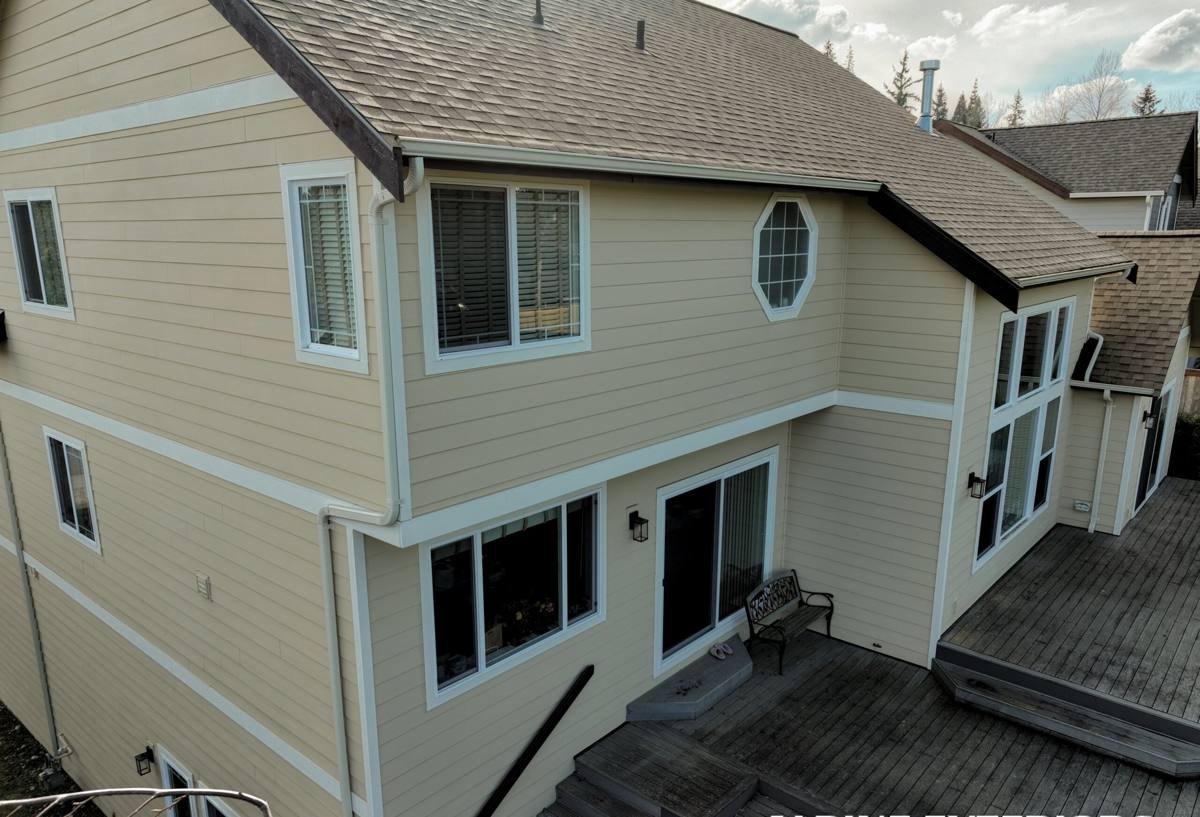
What Makes a Window Energy-Efficient in Florida
"Energy-efficient" gets used loosely in advertising, but for a Florida home it has a specific meaning, and it's different from what matters in a colder climate. Up north, the priority is keeping heat in. Here, the priority is keeping solar heat and humidity out while still letting in natural light.
Glass and Coatings
The glass package matters more than almost anything else in the window. Look for dual-pane (or in some cases triple-pane) insulated glass units with a low-emissivity (low-E) coating, which reflects infrared heat back outside without darkening the room. Many Florida-appropriate packages also use an inert gas fill, usually argon, between the panes to slow heat transfer further. The number that matters most for our climate is Solar Heat Gain Coefficient (SHGC) — the lower it is, the less solar heat makes it through the glass into your living space. U-factor still matters, but SHGC is the number that does the most work here.
Frame Materials
Frame material affects both energy performance and how well the window survives salt air and humidity. Vinyl frames resist corrosion and don't conduct heat the way metal does, which makes them a common, cost-effective choice. Fiberglass frames cost more but hold their shape better over time and can handle more extreme temperature swings without warping. Aluminum frames are strong and slim, but unless they're thermally broken (meaning the interior and exterior metal are separated by an insulating barrier), they conduct heat efficiently — which is the opposite of what you want. Wood frames, while attractive, aren't a good fit for our humidity and salt exposure without constant upkeep, which is why we don't recommend them for exterior applications on Pinellas County homes.
Energy Efficiency and Storm Protection Work Together
In Largo, an energy-efficient window and a storm-ready window are often the same product, not two separate purchases. Impact-rated windows use a laminated interlayer sandwiched between two panes of glass, similar in concept to a windshield. That interlayer does double duty: it holds the glass together under wind-borne debris impact, and it also blocks a significant amount of UV and adds another layer of insulation. Homeowners who upgrade to impact glass often notice both quieter interiors and lower cooling loads, alongside the storm protection.
Wind-Borne Debris Considerations
Depending on where a property sits in Pinellas County, it may fall inside a wind-borne debris region, which affects whether impact-rated glazing or code-compliant shutters are required for new window installations. This isn't something to guess at — it's confirmed through the local building department at the time of permitting, and it's one of the first things we check before recommending a product.
Impact vs. Non-Impact Trade-offs
Impact windows cost more upfront and are heavier, which makes installation more demanding and less forgiving of shortcuts. Non-impact energy-efficient windows paired with code-approved shutters can be a reasonable, less expensive path to compliance, but they require you to actually deploy the shutters before a storm, and they don't offer the same day-to-day UV and noise reduction. Neither option is wrong — it depends on your budget, how the home is used, and what protection you want in place without having to do anything the day before a storm arrives.
Signs It's Time to Replace Your Windows
Windows fail gradually, and a lot of homeowners live with the symptoms for years before connecting them to the windows themselves. In Largo's climate, watch for:
- Fog or moisture trapped between the panes of a dual-pane window — a sign the seal has failed
- Noticeable drafts or a warm feeling near the window even with the AC running
- Windows that are difficult to open, close, or lock, often from frame warping
- Visible pitting, chalking, or discoloration on aluminum frames from salt air exposure
- Rattling or whistling during windy conditions
- Fading furniture, flooring, or curtains from unfiltered UV exposure
- A noticeable jump in cooling costs without a change in usage habits
Any one of these on its own isn't necessarily an emergency, but a home with several of these signs is losing money and comfort every month the windows stay in place.
What a Correct Installation Involves
Energy-efficient windows only perform as advertised if they're installed correctly — the product on the label and the product actually protecting your home can be two very different things depending on the install. A proper job includes:
- Removing the old window down to the rough opening and inspecting the surrounding framing for wood rot or moisture damage, which is common in Florida's humidity even when the exterior looks fine
- Repairing any damaged framing before the new window goes in — installing a good window into a compromised opening defeats the purpose
- Installing flashing and weather-resistant barriers designed to handle wind-driven rain, not just vertical rainfall
- Shimming the unit plumb, level, and square, since even a slightly out-of-square frame stresses the seals and hardware over time
- Fastening according to the manufacturer's wind-load specifications, which is what actually gives an impact-rated window its rated performance
- Sealing gaps with the correct low-expansion foam and sealants rated for high-UV, high-humidity exposure
- Finishing interior and exterior trim so the opening is fully weathertight, not just visually complete
Skipping or rushing any of these steps is how a homeowner ends up with a good window that still leaks, still drafts, or still fails during a storm.
Our Process, Start to Finish
We keep the process straightforward and specific to your home rather than a one-size-fits-all script:
- In-home assessment: we look at your current windows, note frame condition, sun exposure on each side of the house, and any existing moisture or ventilation issues.
- Product selection: we walk through frame and glass options based on your budget, whether your location requires impact-rated glazing, and how the windows will be used day to day.
- Permitting: we handle the permit application through the applicable local building department, which is required for window replacement and confirms the product meets current wind and energy code for your address.
- Installation: our crew removes the old units, checks the framing, and installs and seals the new windows following manufacturer specifications.
- Final inspection and walkthrough: once the local inspector signs off, we walk the job with you so you know how to operate and maintain the new windows.
Comparing Frame and Glass Options
There's no single "best" window for every Largo home — the right choice depends on budget, sun exposure, and how close the property sits to the water. This is a general comparison to help frame the conversation:
| Frame Type | Salt Air Resistance | Energy Performance | Maintenance |
|---|---|---|---|
| Vinyl | Good — won't corrode | Good; low thermal conductivity | Low |
| Fiberglass | Very good | Very good; stable in heat swings | Low |
| Aluminum (thermally broken) | Fair; needs quality finish | Fair to good depending on break design | Moderate |
| Wood (not recommended near coast) | Poor without heavy upkeep | Good when new | High |
Glass packages layer on top of frame choice: standard dual-pane low-E for interior or less exposed elevations, impact-rated laminated glass for street-facing or wind-borne debris zones, and upgraded low-SHGC coatings for west- and south-facing rooms that take the brunt of Florida afternoon sun.
What Affects the Cost of Your Project
Every home is different, so we avoid quoting numbers before we've actually looked at the job — but these are the main factors that move the price up or down:
| Factor | Why It Matters |
|---|---|
| Impact-rated vs. standard glass | Laminated impact glass costs more per unit but may remove the need for separate shutters |
| Frame material | Vinyl is typically the most budget-friendly; fiberglass and specialty finishes cost more |
| Number and size of openings | Larger or custom-sized windows require more material and labor |
| Condition of existing framing | Rot or moisture damage found during removal adds repair time before installation |
| Access and story height | Second-story or hard-to-reach windows take longer and may require additional equipment |
| Permitting and HOA requirements | Some Largo communities have architectural review steps that add lead time, though not usually direct cost |
Why Local Experience in Largo Matters
Window replacement is regulated differently block by block in Pinellas County — whether a property falls inside a wind-borne debris zone, what the local building department expects on a permit application, and how HOA architectural guidelines in some of Largo's established and canal-front neighborhoods handle exterior changes. A crew that already works in this area knows these details going in, instead of learning them on your project. That familiarity shows up in fewer permit delays, fewer surprises during inspection, and a straighter path from estimate to a finished, sealed window. It also means warranty support and service calls come from a crew that's a short drive away, not one that has to schedule a trip back into the area.
If your windows are original to the home, showing signs of wear, or you're simply tired of high cooling bills and street noise, we're happy to take a look and talk through honest options — no pressure, no obligation. Fill out the form below and we'll set up a free, no-pressure estimate for your Largo home.