 Clearwater Roofing
 Roof Repair in Largo: What the Climate Puts Your Roof Through
Largo sits inland from the coast but still takes a beating from the same weather that hits the rest of Pinellas County. Hurricane-force wind gusts test every nail, seam, and flashing point on a roof, and they don't need a direct hit to do damage — a tropical storm passing well offshore can still send gusts strong enough to lift shingles or shift tiles. Between storms, the sun does its own slow work. Florida's year-round UV exposure dries out asphalt shingles, breaks down sealants, and makes underlayment brittle years before a roof in a milder climate would show the same wear.
Then there's the rain. Afternoon storms here don't fall straight down — wind-driven rain gets pushed sideways and upward under shingle edges, around vent boots, and into any flashing that isn't sealed the way it should be. Add in the salt air that drifts across the county from both coasts, which speeds up corrosion on nails, drip edge, and metal flashing, and you've got a roof that's working harder than most. None of this means Largo roofs are doomed to constant problems. It means small issues need to get caught and fixed correctly before the next round of weather turns them into bigger ones.
Common Roof Repair Calls We Get in the Largo Area
Shingle Roofs
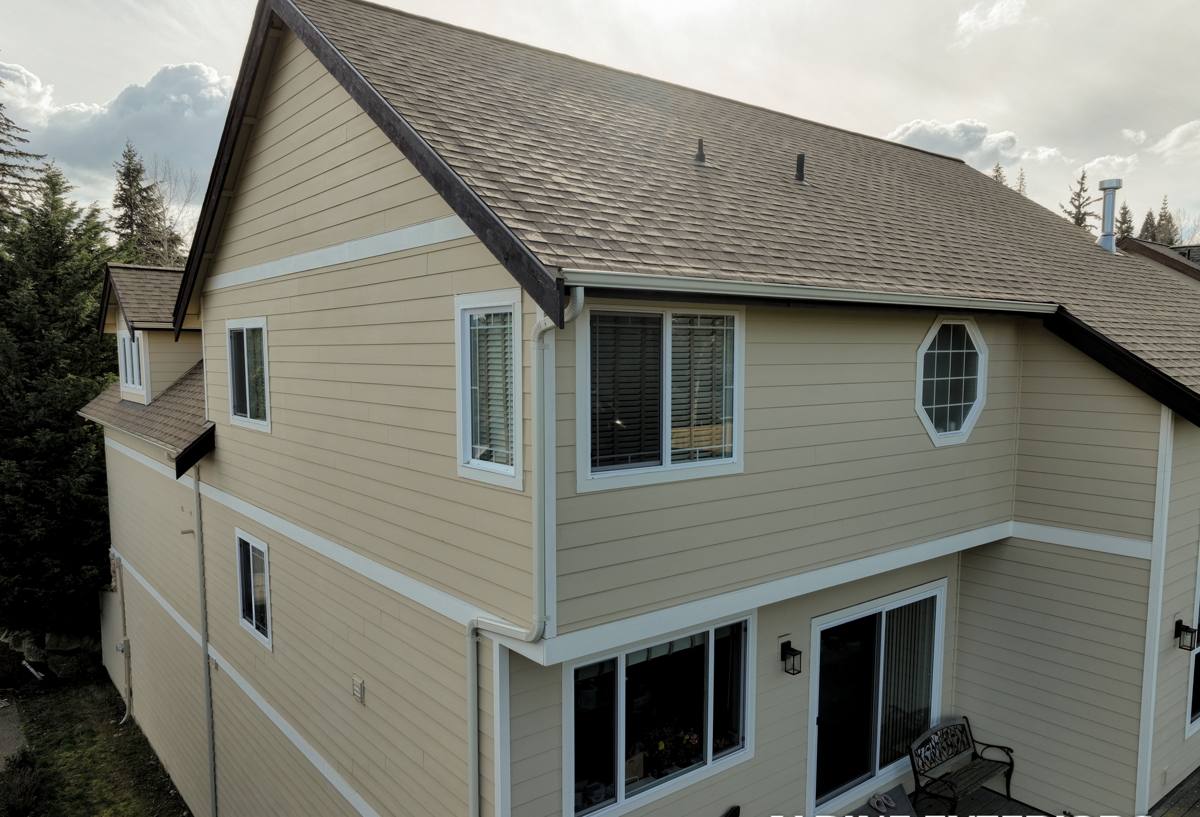
Asphalt shingle roofs are common throughout Largo, and the repairs we see most often involve wind-lifted or missing shingles, cracked or curling shingles from UV exposure, and granule loss that leaves the underlying mat exposed to the sun. We also find a fair number of leaks that trace back to nail pops or shingles that were never properly sealed down in the first place.
Tile Roofs
Tile is durable against sun and salt air, but individual tiles crack from foot traffic, falling debris, or age, and a strong gust can slip or lift a tile out of place. The tile itself usually isn't the real problem — it's the underlayment beneath it. Once that underlayment ages or gets compromised, water can travel a long way before it shows up as a stain inside the house, which is why tile repairs need to address what's under the tile, not just the tile you can see.
Flat and Low-Slope Sections
Plenty of homes in the area have a flat or low-slope section over a porch, addition, or garage. These are prone to ponding water, seam separation, and membrane wear at the edges. Because there's no slope to help water run off, even a small failure point can lead to a leak that lingers and spreads before anyone notices it.
Signs Your Largo Roof Needs Repair Now, Not Later
Roof damage rarely announces itself all at once. Here's what we tell homeowners to watch for between inspections:
- Water stains on ceilings or upper walls, even faint ones that seem to come and go
- Shingles that are missing, curling, cracked, or visibly bald (losing their granules)
- Cracked, slipped, or missing tiles, especially after a windy afternoon
- Soft or spongy spots when walking a flat roof section
- Rust streaks or gaps around vent boots, pipe flashing, or chimney flashing
- Daylight visible through the roof deck from inside the attic
- Granules collecting in gutters or at the base of downspouts
- Higher-than-normal humidity or a musty smell in the attic
Any one of these can be minor on its own. Two or three at once usually means water has been getting in longer than you'd guess.
What a Correct Roof Repair Actually Involves
A repair that just covers the visible symptom tends to come back. Fixing it right means understanding why the damage happened and addressing that cause, not just patching the spot where the leak showed up inside the house. That often means pulling back more roofing material than a homeowner expects, checking the condition of the underlayment and decking underneath, and confirming that flashing, fasteners, and sealant are all doing their job before anything gets closed back up.
| Roof Type | Typical Largo-Area Issue | What a Proper Repair Includes |
|---|---|---|
| Asphalt Shingle | Wind-lifted or missing shingles, nail pops, granule loss | Matching shingle replacement, correct nailing pattern, resealing tabs, checking underlayment condition beneath the damaged area |
| Tile | Cracked or slipped tiles, underlayment failure | Careful tile removal and reset without breaking neighboring tiles, underlayment repair or replacement, verifying batten and fastener condition |
| Flat / Low-Slope | Ponding water, seam separation, membrane wear | Seam resealing or membrane patching sized to the damage, checking drainage slope, flashing repair at walls and edges |
| Flashing (any roof type) | Rust, gaps, cracked sealant around vents and chimneys | Removal and replacement of failed flashing, not just resealing over it, with correct step and counter-flashing where walls meet roof |
We also pay attention to how a repair will hold up under the next round of Pinellas County weather — a patch that survives a calm week but fails under wind-driven rain or the next round of gusts isn't a repair, it's a delay.
Our Repair Process, Start to Finish
- Inspection. We get on the roof (or use a close visual and interior attic check when access is limited) to find the actual source of the problem, not just where the water showed up.
- Diagnosis and explanation. We walk you through what we found, in plain terms — what's damaged, why it likely happened, and what's involved in fixing it correctly.
- Written estimate. You get a clear scope of work and price before anything starts. No surprise add-ons once we're up there.
- The repair itself. We remove and replace the compromised materials rather than layering a patch over a hidden problem, matching shingle, tile, or membrane as closely as reasonably available.
- Final check and cleanup. We confirm the repair area is sealed and sound, check nearby sections for related wear, and clear debris and old materials from your property.
Repair or Replace? How We Help You Decide
Not every roof problem calls for a full replacement, and not every roof is a good candidate for another round of patching. We look at a few honest factors before recommending either direction, and we'll tell you plainly if repair is the right call even when replacement would be the bigger job for us.
| Factor | Leans Toward Repair | Leans Toward Replacement |
|---|---|---|
| Roof age | Well within its expected service life | At or near the end of its expected lifespan |
| Damage extent | Isolated to one area or a few points | Spread across multiple sections of the roof |
| Repair history | First or second repair in this area | Same section has needed repeated repairs |
| Underlying materials | Decking and underlayment are still sound | Decking is soft, or underlayment is failing broadly |
If your roof is a borderline case, we'll say so and lay out the trade-offs rather than pushing you toward the bigger project by default.
Why Hiring a Crew That Already Works in Largo Matters
A roof repair isn't just about the labor on the day of the job. It's shaped by things a crew either already knows about the area or has to learn on your dime. A local crew already understands the wind and building code requirements that apply to Pinellas County roofing work, knows what permitting looks like for repair work here, and has working relationships with local material suppliers, which matters when you're trying to match existing shingle or tile rather than leaving an obvious patch. After a storm rolls through, a crew that's already established in the Clearwater and Largo area can typically get to you faster than one that has to drive in from farther out, and that response time is often what separates a contained repair from a much larger water damage problem.
Materials and Workmanship We Stand Behind
We don't consider a repair finished just because the leak stopped. Our standard is that flashing gets replaced when it's failed, not just resealed over; fasteners go in at the correct pattern and spacing for the wind exposure in this area, not the minimum that happens to hold; and underlayment gets addressed when it's compromised, even if that means opening up a larger section than the original complaint suggested. Sealant-only patch jobs might buy a few dry weeks, but they tend to fail again at the same spot once the next wind-driven rain finds the same weak point — so we don't rely on sealant to do a flashing repair's job. It sometimes means a slightly larger scope than a quick cosmetic fix, but it's the difference between a repair that holds through hurricane season and one you'll be calling someone about again next year.
If you're dealing with a leak, storm damage, or a roof that's just showing its age in the Largo area, we're glad to take a look and give you a straight, no-pressure assessment. The estimate is free, and there's no obligation — fill out the form below and we'll get back to you to schedule a time to come out.