 Clearwater Roofing
 New-Construction Windows in Coachman Ridge: What the Term Actually Means
"New-construction window" gets used loosely, so it's worth being precise about it before anything else. A new-construction window has a nailing fin (also called a flange) built into the frame. It's designed to be installed into a bare, framed rough opening before siding, stucco, or brick veneer goes on — not into an existing finished wall. That's different from a replacement or retrofit window, which is built to slide into an opening that already has a frame and finished exterior around it.
In Coachman Ridge, this comes up most often in a handful of situations: a new home going up on an infill lot, a room addition or second-story build-out, a garage or lanai conversion where a wall opening is being created for the first time, or a full re-frame after storm or water damage that takes a wall back to the studs. If you're working with a builder or general contractor on any of these, the window install has to be sequenced correctly with the rough framing, the weather-resistive barrier, and the exterior finish — get that sequence wrong and you're setting up a leak path that won't show up until the first hard-driving rain finds it.
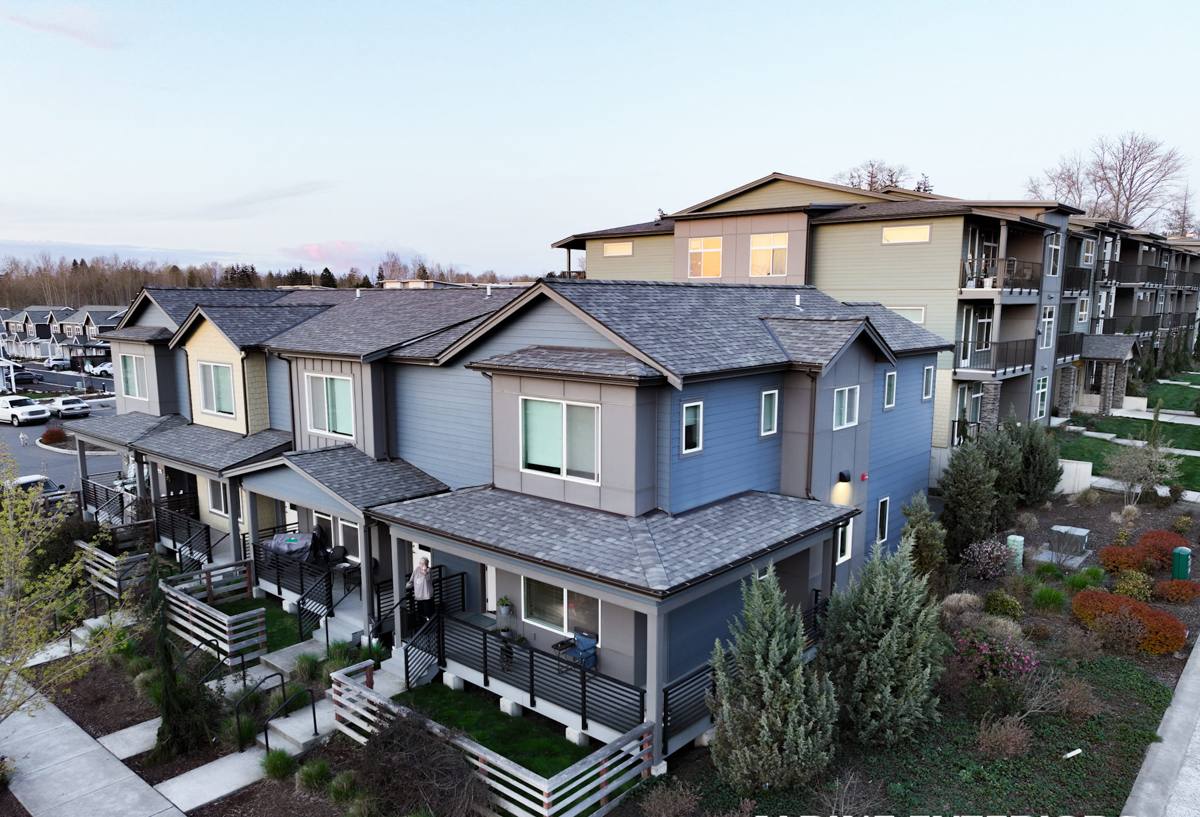
What Clearwater's Climate Demands From a New Window System
Pinellas County sits on a peninsula, and Coachman Ridge homes deal with the same coastal exposure as the rest of Clearwater even if they're not sitting on the water. Four things drive how we spec and install a new-construction window here:
- Hurricane-force wind: The window and its rough-opening attachment have to hold a design pressure rating that matches the structure's wind load, not just resist a stiff breeze.
- Wind-driven rain: Storms here don't just drop rain, they push it sideways into the wall assembly. Flashing detail matters more than glass quality when it comes to keeping water out.
- Year-round UV exposure: Florida sun degrades cheap vinyl, weakens sealants, and fades interior finishes faster than most of the country. Frame material and glass coatings both need to account for it.
- Salt air: Even a few miles inland, airborne salt accelerates corrosion on hardware, fasteners, and metal components that weren't built for a marine environment.
A window that's technically "hurricane rated" but installed with a sloppy flashing job, or one with hardware that wasn't rated for coastal exposure, will fail in one of these four ways well before the glass itself becomes the problem.
Florida Building Code and Wind Load Basics for Pinellas County
Every new-construction window in Coachman Ridge has to satisfy the Florida Building Code's wind load and windborne-debris requirements for its location. Pinellas County is in the windborne debris region, which means new openings generally need either impact-rated glazing or code-compliant shutter/panel protection sized to the opening. The window also needs a design pressure (DP) rating that matches or exceeds what the structure's engineering calls for at that specific wall location — corner openings and taller walls often carry higher pressure requirements than a small opening in the middle of a wall.
Every window installed has to carry a Florida Product Approval number, and the installation itself gets permitted and inspected by the local building department before it's covered up. This isn't paperwork for its own sake — it's the mechanism that catches an under-rated window or a bad flashing detail before it's hidden behind trim and drywall.
| Code Element | What It Controls | Why It Matters Locally |
|---|---|---|
| Design Pressure (DP) Rating | How much wind load the window and frame can resist | Coastal and corner locations often need a higher rating than interior wall sections |
| Windborne Debris Protection | Impact glass or code-approved shutters/panels | Pinellas County falls in the windborne debris region |
| Florida Product Approval | Verifies the specific window model is tested and approved for use | Required documentation for permit and inspection |
| Energy Code (SHGC / U-Factor) | How much heat and UV the glass transmits | Keeps cooling loads reasonable in year-round Florida heat |
The Anatomy of a Correct New-Construction Install
This is the part that separates a window that lasts twenty-plus years from one that starts leaking within a couple of storm seasons. A correct install follows a specific sequence, and skipping or reordering any step compromises the whole assembly.
Sill Pan First
Before the window ever goes in, the rough opening's sill gets a sloped, sealed pan flashing so any water that does get past the window has somewhere to drain — out, not into the wall cavity.
Weather-Resistive Barrier Integration
The house wrap or building paper has to be shingle-lapped correctly around the opening so water sheds down and over each layer, never behind it. The window's nailing fin gets integrated into that sequence at the right point, not just stapled over the top of it.
Set Plumb, Level, and Square
Shimming the frame correctly matters as much for wind performance as for appearance. A window that's racked even slightly out of square won't distribute wind load the way it was engineered to.
Fastening to the Rough Opening
Fastener type, spacing, and embedment into the framing all have to match the window's tested installation instructions and the project's DP rating — this isn't a spot where "close enough" holds up in a storm.
Flashing Tape, Head Flashing, and Sealant
The nailing fin gets taped, a head flashing or drip cap sheds water over the top of the opening, and sealant goes at the joints the manufacturer specifies — not everywhere, since over-sealing can trap moisture instead of letting an assembly dry.
Insulating the Gap
The perimeter gap between the frame and rough opening gets filled with a low-expansion foam or backer rod and sealant. Full-expansion foam can bow a vinyl or fiberglass frame out of square after it cures, which quietly ruins the window's performance.
Choosing Frame Material and Glass for a Coachman Ridge Build
There's no single "best" window for every project — the right call depends on the wall's exposure, the home's design, and budget. Here's how the common options stack up for a coastal Pinellas County installation:
| Frame Material | Coastal / UV Performance | Maintenance | Typical Use |
|---|---|---|---|
| Vinyl | Good with UV-stabilized formulations; avoid dark colors in full sun exposure | Low — no painting, won't rust | Most residential new construction |
| Aluminum | Strong under wind load; needs corrosion-resistant coating near salt air | Moderate — coating can wear over time | Larger openings, sliders, impact frames |
| Fiberglass | Very stable under heat and UV, minimal expansion/contraction | Low | Higher-end custom builds |
On glass, the real decision is impact-rated laminated glazing versus standard glass paired with code-approved shutters or panels. Impact glass costs more up front but stays in place permanently, which matters if you're not going to be home every time a storm forms in the Gulf. Shutters or panels cost less initially but require someone to deploy them before every storm. Either approach can satisfy code — it's a question of what fits your build and how you want to manage storm prep long-term.
Our Process for Coachman Ridge Projects
- Site visit and rough opening verification: We confirm opening sizes against the plans and check the framing before ordering anything.
- Coordination with your builder or GC: New-construction window install has to slot into the framing and dry-in schedule at the right point — too early or too late and it disrupts the whole sequence.
- Product selection: We walk through DP ratings, impact vs. non-impact options, and frame materials based on the specific wall's exposure and your budget.
- Permitting: We handle the permit submittal and product approval documentation with the local building department.
- Installation: Sill pan, flashing, fastening, and sealant done in the correct sequence, by a crew that installs to that sequence every time, not just when someone's watching.
- Inspection and walkthrough: We're present for the building department's inspection and walk the finished openings with you before we call the job done.
Common Mistakes We Catch on New-Construction Jobs
Some of these come from rushed schedules, some from installers who don't work in coastal Florida regularly. Either way, they're the issues we check for on every job:
- Nailing fin stapled or nailed over the WRB instead of properly shingle-lapped into it
- Missing or flat (non-sloped) sill pan flashing that leaves nowhere for incidental water to drain
- Full-expansion spray foam used in the perimeter gap, bowing the frame out of square
- Fasteners spaced wider than the tested installation instructions allow
- Window ordered with a DP rating that doesn't match the wall's actual wind load location
- Sealant applied over dirty, wet, or incompatible surfaces, leading to early adhesion failure
- No head flashing or drip cap, leaving the top of the opening exposed to direct wind-driven rain
Why a Crew That Already Works Coachman Ridge Matters
New-construction window installation isn't a one-size-fits-all trade skill — it depends heavily on local code interpretation, permitting habits, and the realities of the wall assemblies typical to a given area. A crew that regularly works in Coachman Ridge and the surrounding Clearwater area already knows the local building department's inspection expectations, has working relationships with area builders and suppliers, and isn't learning Pinellas County's wind load and windborne-debris requirements for the first time on your project. If your section of the neighborhood has an HOA with architectural review, we're used to submitting for that kind of approval as part of the process rather than treating it as an afterthought. That local familiarity translates into fewer surprises, fewer callbacks, and a permit and inspection process that moves without unnecessary delays.
Caring for New Windows After Install
A correctly installed window in this climate still needs basic upkeep to hit its full service life. Rinse frames and hardware periodically to clear salt residue, especially after storms. Check exterior sealant joints once a year for cracking or separation, since UV and heat cycling will eventually break down even a good sealant job. Keep an eye on weep holes in aluminum or vinyl frames to make sure they stay clear of debris, since that's how the window sheds any water that does get past the outer seal.
If you're planning new construction, an addition, or a conversion project in Coachman Ridge, we're glad to walk the site, review your plans, and put together a straightforward, no-pressure estimate. Use the form below to get started.