 Clearwater Roofing
 New Roof Installation Built for Del Oro's Climate
Del Oro sits inland enough from the immediate coastline to avoid direct storm surge risk, but it still takes the full brunt of what Pinellas County throws at a roof every year: hurricane-force wind gusts, months of intense subtropical UV, wind-driven rain that finds every weak seam, and a steady dose of salt-laden air that speeds up corrosion on metal fasteners and flashing. A roof that's installed correctly for this environment looks the same as one installed poorly on the day it goes on. The difference shows up three, five, ten years later — in whether the shingles are still flat and sealed, whether the flashing is still tight, and whether the deck underneath is dry.
This page is about one job: putting a new roof on a Del Oro home the right way, using materials and methods that hold up to Clearwater's climate rather than just meeting the minimum to pass inspection.
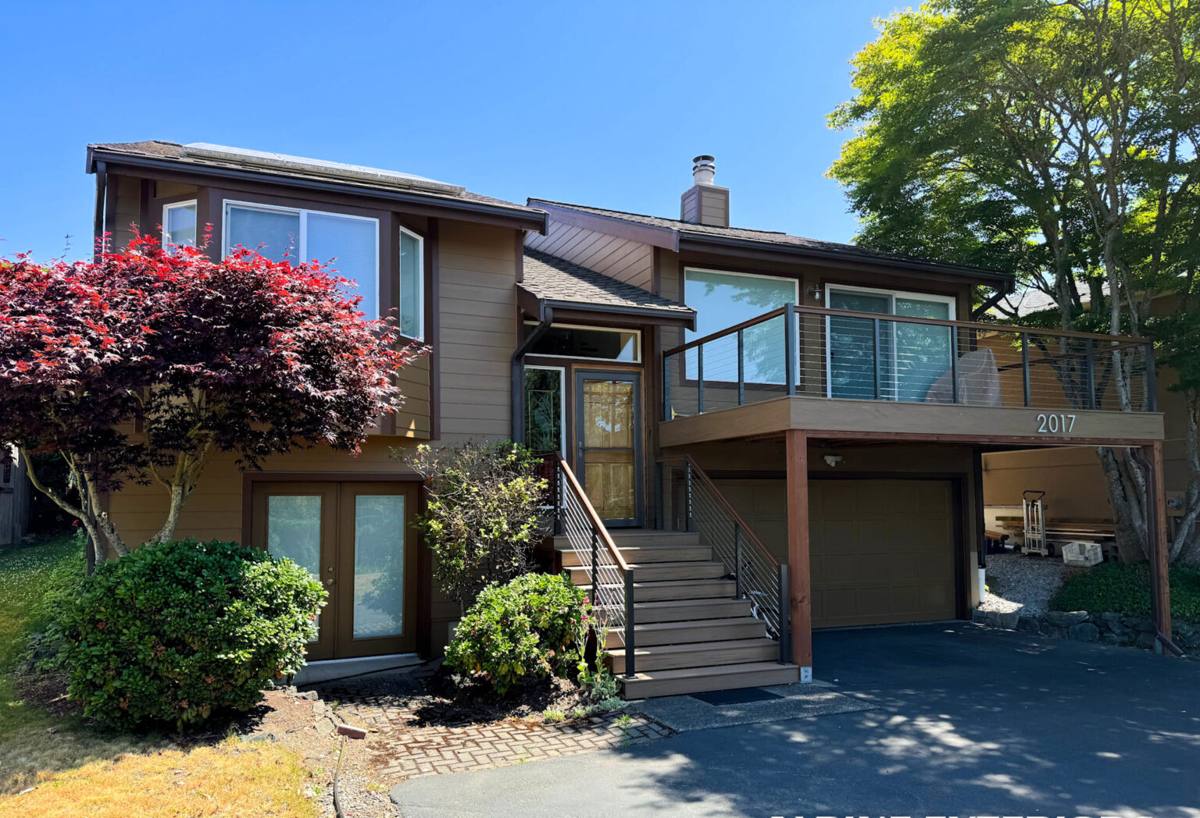
What Del Oro Homes Need From a New Roof
Most homes in this part of Clearwater were built during periods with very different code requirements than what's in effect today. A new roof installation is your chance to bring the whole system up to current Florida Building Code wind and moisture standards, not just swap old shingles for new ones. That means:
- A roof deck that's actually inspected and repaired, not covered up
- An underlayment system rated for wind-driven rain, not just a basic felt layer
- Flashing at every wall, vent, and valley — the parts that fail first, not the field of shingles
- Fastening that meets Pinellas County's wind zone requirements, not a builder-grade nailing pattern
- Attic ventilation that actually moves heat and moisture out, extending the life of the roof from underneath
Skipping any one of these doesn't show up on installation day. It shows up the first time a named storm rolls through the Tampa Bay area, or a few summers in when heat and humidity have had time to work on a poorly ventilated attic.
Sun and Salt Are Doing Damage You Can't See Yet
UV exposure in this part of Florida is relentless almost year-round, and it breaks down the asphalt oils in shingles faster than in most of the country. Salt air, even well away from the immediate coast, accelerates corrosion on exposed nail heads, drip edge, and any lower-grade metal flashing. Materials that aren't rated for coastal-adjacent exposure age faster here than the manufacturer's general warranty language implies.
Choosing the Right Roofing System
There's no single "best" roof for every Del Oro home — it depends on the home's structure, your budget, and how long you plan to stay in it. Here's an honest comparison of the systems we install most often on homes like these:
| Roofing System | Typical Lifespan (SW Florida) | Wind Performance | Maintenance |
|---|---|---|---|
| Architectural asphalt shingle | 18–25 years | Good, when installed with enhanced nailing and sealed properly | Low; periodic inspection |
| Standing seam metal | 30–50 years | Excellent; among the best for high-wind uplift resistance | Very low; check fasteners over time |
| Concrete or clay tile | 30–50 years | Good, but individual tiles can crack or dislodge in severe wind | Moderate; broken tiles need prompt repair |
| 3-tab asphalt shingle | 12–18 years | Fair; lower wind rating than architectural shingles | Low, but shorter service life |
For most Del Oro homes, we recommend architectural shingles or standing seam metal as the practical middle ground between upfront cost and long-term performance in this climate. Tile has its place, particularly on homes designed for the load and look of it, but we're upfront that cracked or displaced tiles after a wind event are a real maintenance item, not a hypothetical.
What a Correct Installation Actually Involves
A new roof is more than shingles. The parts most homeowners never see are what determine whether the roof performs for its full expected life or starts leaking early.
Deck Inspection and Repair
Once the old roofing is stripped, we inspect the plywood or OSB deck for soft spots, delamination, or water staining — all common in Florida homes where a roof has been leaking slowly for a while without an obvious sign inside. Any compromised sections get replaced before anything new goes down. Roofing over a bad deck just hides the problem for a few more years.
Underlayment
We use a synthetic or self-adhering underlayment system rated for wind-driven rain, applied per Florida Building Code requirements for this wind zone. This layer is the actual waterproofing backstop if wind ever lifts or damages the outer roofing material — it matters more than most homeowners realize.
Flashing
Step flashing at walls, counterflashing at chimneys, and properly formed valley flashing are where most roof leaks in this area actually originate — not in the open field of the roof. We replace flashing as part of a new roof rather than reusing old pieces, since corroded or improperly formed flashing is one of the most common causes of early leaks we get called out to fix on other contractors' work.
Fastening and Wind Uplift
Pinellas County's wind zone requirements call for specific nailing patterns and fastener counts depending on roof shape and material. We follow the code minimum as a floor, not a ceiling — where a slightly enhanced fastening schedule makes sense for a home's exposure, we'll explain the tradeoff and let you decide.
Ventilation
Proper intake and exhaust ventilation keeps attic temperatures and moisture in check, which protects the roof deck from below and can meaningfully extend the life of asphalt shingles baking in Florida sun. We evaluate existing ridge and soffit vents and correct undersized or blocked ventilation as part of the job.
Our Process From Estimate to Final Walkthrough
- On-site inspection — we walk the roof and attic, check the deck where accessible, and document the current condition.
- Written estimate — a clear scope covering materials, tear-off, deck repair allowance, flashing, and ventilation, with no vague line items.
- Permitting — we pull the required City of Clearwater or Pinellas County permit before work starts; new roof installations require one.
- Tear-off and deck inspection — old roofing removed, deck inspected and repaired as needed.
- Underlayment, flashing, and roofing installation — installed per code and manufacturer specification for the wind zone.
- Cleanup — magnetic sweep for nails and full debris removal from the property.
- Final inspection and walkthrough — county inspection passed, then we walk the finished roof with you.
Cost Factors for a New Roof in Del Oro
Every home is different, so we don't publish flat pricing — but these are the factors that actually move the number on your estimate:
| Factor | Why It Matters |
|---|---|
| Roof size and pitch | More square footage and steeper pitches mean more material and labor time |
| Material choice | Metal and tile cost more upfront than asphalt but last longer and need less maintenance |
| Deck condition | Rotted or delaminated decking found during tear-off adds repair cost that can't be known until the old roof is off |
| Roof complexity | Valleys, dormers, and multiple roof planes add flashing work and labor time |
| Ventilation upgrades | Adding or correcting ridge/soffit ventilation is a smaller add-on cost with real long-term payoff |
We give a firm, written estimate before work starts and flag any deck repair allowance clearly, so there's no surprise change order unless we actually find something once the old roof comes off.
Permits, Inspections, and Wind Mitigation
New roof installations in Clearwater and unincorporated Pinellas County require a building permit and a final inspection — this isn't optional paperwork, it's what confirms the work meets current wind and moisture code. We handle the permit application and schedule inspections as part of every new roof job.
Once the new roof is complete, it's worth having a wind mitigation inspection done. Many Florida insurers offer meaningful premium discounts for roofs that meet current code-compliant fastening, roof shape, and secondary water resistance standards — a new roof installed correctly is often the single biggest lever homeowners have to lower their windstorm insurance costs.
Why a Crew That Already Works Del Oro Matters
Roofing code, permitting, and wind zone requirements are countywide, but the practical knowledge of how homes in a specific area were built — the common roof shapes, the typical deck materials from a given construction era, the flashing details that tend to fail first on nearby homes — comes from working the area repeatedly, not from a single job. A crew already familiar with Del Oro isn't guessing at what's under the shingles before tear-off starts, and can flag likely deck or ventilation issues at the estimate stage instead of surprising you mid-job.
Local presence also means faster response if something needs attention after a storm — no waiting on a crew dispatched from across the county.
Signs You Need a New Roof, Not a Repair
Repairs make sense for isolated issues. A full replacement is the honest recommendation when you see a pattern like this:
- Shingles that are cupping, curling, or losing granules across large sections of the roof, not just one spot
- Multiple past repairs in different areas within a short span of time
- Soft spots or visible sagging in the roof deck
- Daylight visible through the roof boards from inside the attic
- The roof is at or past its material's expected service life for this climate
- Recurring leaks after storms despite prior flashing or patch repairs
If you're only seeing one or two of these, a repair may still be the right call, and we'll tell you that honestly rather than push a replacement you don't need yet.
If you're in Del Oro and thinking about a new roof, we're happy to come take a look and give you a straightforward, no-pressure estimate — no obligation, just an honest read on your roof's condition and what it would take to do the job right. Use the form below to get started.