 Clearwater Roofing
 Why Oldsmar Decks Wear Out Faster Than the Owner's Manual Says
Most decking materials are rated and tested somewhere far from a Gulf Coast summer. In Oldsmar, a deck lives outside year-round in conditions that push every material past its comfort zone: intense UV exposure nearly every day of the year, humidity that keeps wood damp long after a storm has passed, wind-driven rain that finds its way into every seam and fastener hole, and salt-laden air drifting in off Tampa Bay and the Gulf. Add in the occasional hurricane-force wind event, and it's no surprise that decks here need real repair work years before a homeowner in a drier, cooler climate would think twice about theirs.
None of this means a deck in Oldsmar is doomed to fail — it means it needs to be built and repaired with this climate in mind, not with generic national standards as the ceiling. That's the difference between a repair that lasts a season and one that lasts a decade.
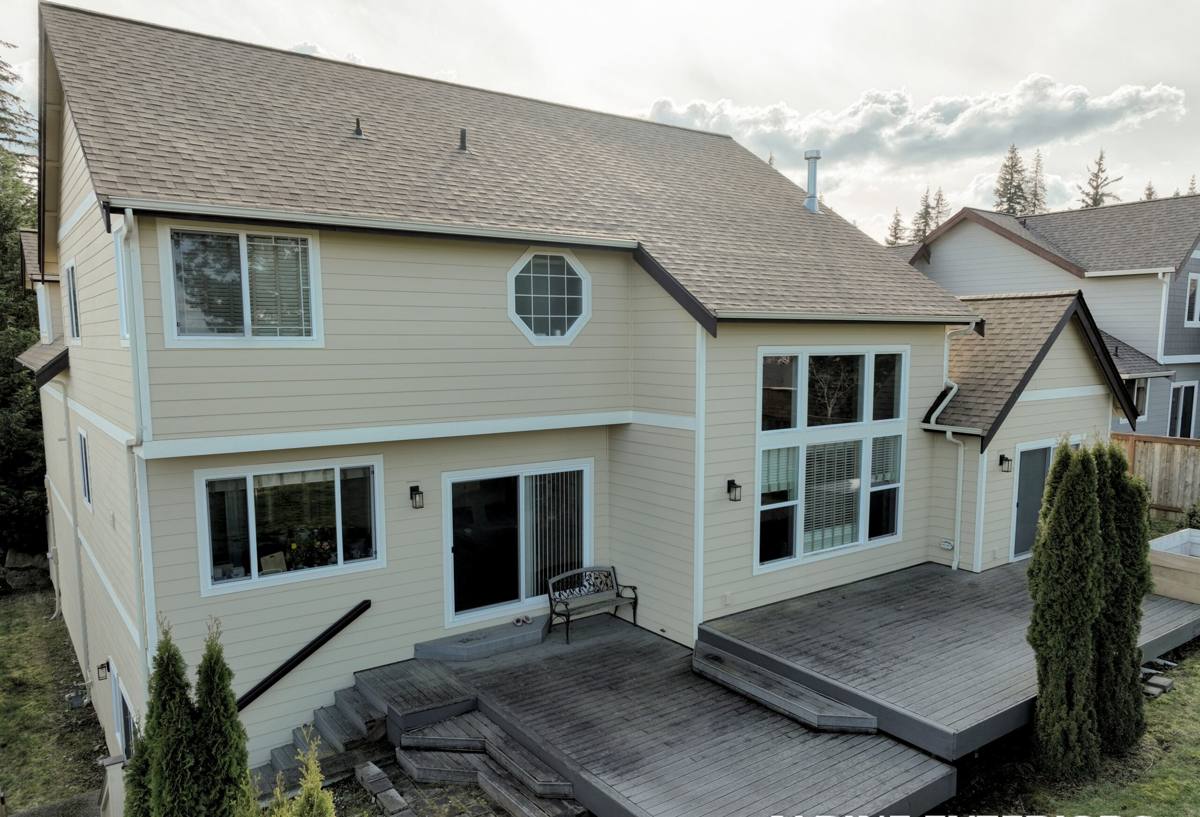
What the Climate Actually Does to a Deck
Heat and UV
Constant sun exposure dries out wood fibers, breaks down the UV inhibitors in sealers and stains, and fades or chalks composite decking surfaces. Boards cup, crack, and splinter as the wood expands and contracts through daily heat cycles.
Humidity and Wind-Driven Rain
Pinellas County's humidity means wood rarely gets to fully dry out, especially in shaded areas, under railings, or around ledger boards attached to the house. Wind-driven rain during storms pushes moisture sideways into joints, screw holes, and end grain that a vertical rain would never reach — this is where rot usually starts, quietly, underneath a deck that still looks fine on the surface.
Salt Air
Even a few miles inland from the coast, salt in the air accelerates corrosion on metal fasteners, brackets, and structural hardware. Once a fastener starts rusting, it loses holding strength long before it looks obviously bad — which is why so many "surprise" deck failures start with hardware, not the wood itself.
Hurricane-Force Wind
Wind doesn't just threaten decks during the storm itself. Repeated wind loading over years works ledger board connections, post bases, and railing posts loose, even when nothing catastrophic ever happens. A deck that's been through several storm seasons without inspection is often carrying hidden structural fatigue.
Signs Your Oldsmar Deck Needs Repair
Some damage is obvious. Some isn't — and the hidden kind is usually the kind that matters most for safety. Walk your deck and check for these:
- Boards that feel spongy, soft, or flex noticeably underfoot
- Visible cracking, splintering, or splitting along board edges
- Gaps, wobble, or movement where railings meet posts
- Rust streaks around screws, nails, or metal brackets
- A ledger board pulling away from the house, or a visible gap behind it
- Discoloration, dark staining, or a musty smell near ground-level framing
- Loose or wobbly stairs, especially at the stringer connections
- Fasteners that spin freely or have backed out of the wood
- Standing water that doesn't drain off the surface after rain
If you're seeing two or more of these, it's worth a professional look before the next tenant is a family barbecue or a storm.
What a Correct Deck Repair Actually Involves
A lot of deck "repairs" amount to swapping out a bad board and calling it done. That fixes what you can see, but it doesn't address why that board failed in the first place — and in this climate, the cause is usually still there waiting to cause the next failure. A repair done right separates cosmetic issues from structural ones and treats them differently.
Cosmetic Repairs
Surface graying, minor splintering, worn finish, and small cracks that don't compromise strength. These matter for appearance and for slowing further weather damage, but they're not urgent safety items.
Structural Repairs
Rotted or compromised framing, failing ledger board connections, undersized or corroded fasteners, unstable posts or footings, and railing systems that no longer meet code load requirements. These are the repairs that protect people, not just looks — and they're the ones that get shortcut when a job is priced too low or rushed.
Part of doing this correctly is probing beneath the surface — checking framing members with an awl or moisture meter where rot is suspected, not just visually inspecting the top of the board. A deck can look presentable from five feet away and still have a compromised joist underneath.
Repair Materials: What Holds Up Here vs. What Doesn't
| Material | How It Handles Oldsmar's Climate | Repair Considerations |
|---|---|---|
| Pressure-treated pine | Affordable, widely used; needs proper sealing to resist humidity and UV cycling | Requires re-sealing every 1-2 years in this climate; check for ground-contact rated lumber near soil |
| Composite decking | Resists rot and doesn't need staining; can still fade or chalk under constant UV | Repairs must match board profile; framing underneath still needs inspection since composite doesn't show hidden rot |
| Cedar or tropical hardwoods | Naturally rot-resistant but still needs sealing against salt air and UV | More expensive to source replacement boards; finish maintenance is non-negotiable here |
| Standard steel fasteners | Prone to rust in salt air, especially near the coast | We prioritize hot-dip galvanized or stainless fasteners for structural connections in repairs |
We don't push one decking material as a cure-all. Every option involves trade-offs between upfront cost, maintenance commitment, and how it behaves specifically in humid, salty, UV-heavy conditions — and we'll walk you through those trade-offs honestly rather than upselling the most expensive option by default.
How Our Deck Repair Process Works
- On-site inspection. We check the full structure — surface boards, framing, ledger connection, posts, footings, and railings — not just the spot you called about.
- Honest diagnosis. We tell you what's cosmetic, what's structural, and what can reasonably wait versus what shouldn't.
- Written scope and estimate. You'll know what's being repaired, with what materials, and why, before any work starts.
- Repair execution. Rotted or compromised material is removed and replaced — not just capped over — and structural connections are rebuilt to current code, using corrosion-resistant fasteners suited to our air quality.
- Final check. We test railings, stairs, and structural connections for movement before we call it finished.
What Deck Repair Typically Costs
Every deck is different, so treat these as general ranges to help you budget, not a quote. Actual pricing depends on the extent of damage, decking material, and structural access.
| Repair Type | Typical Scope | What Drives the Price |
|---|---|---|
| Board replacement | A few damaged deck boards | Material match, number of boards, ease of access |
| Railing repair or rebuild | Loose, damaged, or non-compliant railings | Length of railing, post condition, code requirements |
| Ledger board repair | Reattaching or rebuilding the house connection | Extent of rot, flashing work needed, access |
| Structural framing repair | Joists, beams, or posts affected by rot or storm stress | How much framing is compromised, footing condition |
| Full resurfacing | Replacing all surface decking, framing intact | Square footage, material choice (wood vs. composite) |
Permits and Code: Don't Skip This Part
Structural deck repairs in Pinellas County — particularly anything touching framing, ledger connections, or railings — often require a permit and inspection under Florida's building code, which accounts for wind load in a hurricane-prone region. A contractor who skips this step to save time isn't doing you a favor; an unpermitted structural repair can become a real problem at resale, or worse, during the next storm. We handle permitting as part of the job when it's required, so you're not left sorting it out after the fact.
Why It Matters That We Already Work in Oldsmar
A crew that regularly works in Oldsmar and the surrounding Pinellas County area isn't guessing at how your deck will hold up — we've seen how pressure-treated pine behaves after a few Gulf Coast summers, which fastener types actually resist our salt air, and where rot tends to start on a house-attached ledger board in this humidity. That local pattern recognition is the difference between a repair that addresses the real cause and one that just patches the symptom. We're also not disappearing after the invoice clears — we're local, and we stand behind the work because we're the ones you'll call if something isn't right.
Ready for an Honest Look at Your Deck?
If your Oldsmar deck has visible damage, feels less solid than it used to, or just hasn't been inspected in a few years, we're happy to take a look. We'll give you a straightforward assessment of what's cosmetic, what's structural, and what it will actually cost to fix — no pressure, no upsell. Request your free estimate using the form below.