 Clearwater Roofing
 Storm Damage Roof Repair for Oldsmar Homes
Oldsmar sits inland from the Gulf but still takes a beating every storm season. Homes here deal with the same wind-driven rain and tropical system exposure as the rest of Pinellas County, plus the year-round UV load that comes with living in Florida regardless of how close you are to the water. When a storm passes through, the damage isn't always obvious from the ground, and roofs that look fine in July can be leaking by September if nobody checked them after the last system rolled through.
We work on roofs across Clearwater and the surrounding Pinellas County communities, including Oldsmar, and storm damage repair is one of the calls we get most after any named storm, strong thunderstorm line, or hail event. This page covers what that repair actually involves, what we look for, and why the timing and quality of the repair matters as much as the storm itself.
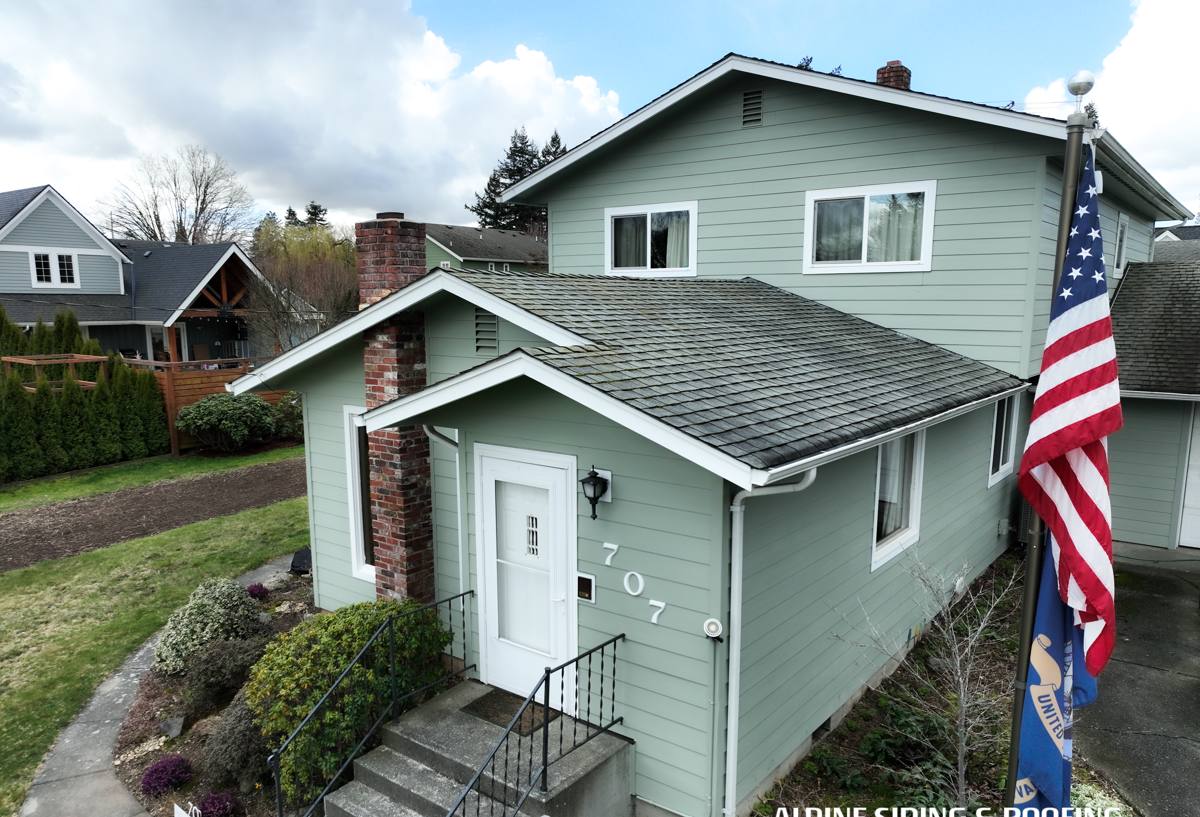
What Storms Actually Do to an Oldsmar Roof
Wind and rain don't damage a roof the same way. Understanding the difference matters because it changes what a proper inspection and repair look like.
Wind Damage
Hurricane-force gusts and even strong straight-line winds from summer storms lift shingles or tiles at the edges and ridges first, where uplift pressure is highest. Fasteners work loose, sealant strips break their bond, and once one shingle or tile lifts, the ones around it are exposed to the next gust. Wind damage is often patchy rather than uniform — a few courses along a ridge or rake edge, not the whole field of the roof.
Wind-Driven Rain
Rain that comes in sideways during a storm finds every gap a normal rain shower would never reach. It gets up under lifted shingles, through nail holes that have worked loose, and around flashing that's slightly out of position. This is why a roof can pass a casual look after a storm and still leak from the inside a week later — the water intrusion point and the visible ceiling stain are rarely in the same spot.
Impact and Debris
Branches, loose gutters, and airborne debris can bruise or puncture shingles, crack tile, and dent metal flashing and vents. Granule loss from impact accelerates UV breakdown in that spot long after the storm is gone.
Cumulative UV and Heat Stress
None of the above happens in isolation. A roof that's already brittle from years of Florida sun takes storm damage harder than a newer one — dried-out shingles crack instead of flexing, and aged sealant fails instead of stretching. Storm damage repair in this climate is really about addressing both the acute event and the underlying condition the roof was in before the storm hit.
Why This Matters More for Oldsmar Specifically
Oldsmar homes see the same storm tracks as the rest of the Tampa Bay area, and being a bit inland doesn't mean less wind exposure — it just changes the debris profile, with more tree cover in some neighborhoods meaning more limb and branch impact risk compared to open coastal lots. Salt-laden air still reaches this far inland during onshore wind events, which contributes to corrosion on exposed metal fasteners, flashing, and vents over time, even without direct salt spray. Combine that with the daily UV exposure every roof in Pinellas County gets, and the practical result is that storm damage tends to show up on roofs that were already partway through their service life — which is most roofs over 10-12 years old in this area.
What a Correct Storm Damage Inspection Covers
A rushed inspection misses the damage that actually causes leaks. Here's what we check, in order:
- Ridge caps and hip lines — the first place wind uplift shows up
- Rake and eave edges for lifted or missing shingles/tiles
- Flashing around chimneys, skylights, and wall intersections for movement or separation
- Pipe boot seals and vent covers for cracking or dislodgement
- Valleys for granule loss, debris buildup, or metal exposure
- Gutters and downspouts for impact damage or pull-away from the fascia
- Attic decking and insulation for water staining, which often reveals leaks the exterior didn't show
- Soft spots underfoot, which indicate saturated decking beneath the surface layer
We document what we find with photos before touching anything, which matters both for your own records and if you're filing an insurance claim.
Our Repair Process
1. Assessment and Documentation
We inspect the full roof, not just the area you noticed damage in — storms rarely damage only one spot, and a partial repair on a roof with unaddressed wind lift elsewhere just means another service call after the next system.
2. Temporary Protection (If Needed)
If there's active leaking or exposed decking, we get it covered and dry before we do anything permanent. Water sitting on exposed decking for days causes more damage than the original storm did.
3. Repair Scope and Options
We give you a clear picture of what's actually needed: spot repair, section replacement, or — if the damage is widespread or the roof was already near the end of its service life — a conversation about full replacement instead of chasing repairs on a roof that's not going to hold up through the next storm season anyway. We'd rather tell you that honestly upfront than have you pay for repairs that don't last.
4. The Repair Itself
Matching materials, re-securing or replacing damaged shingles/tiles, resealing and re-flashing where needed, and confirming fastener patterns meet wind-resistance standards for this area — not just whatever the minimum code allowed when the roof was first built.
5. Final Check
We walk the repair with you, confirm the attic is dry, and make sure gutters and drainage are functioning so the next heavy rain doesn't just find a new path in.
Repair vs. Replacement: What Actually Drives the Decision
| Factor | Leans Repair | Leans Replacement |
|---|---|---|
| Roof age | Under 10-12 years | Past 15-20 years, or already near end of expected service life |
| Extent of damage | Isolated to one section or slope | Spread across multiple slopes or ridgelines |
| Decking condition | Dry, solid underneath | Soft spots or water staining found on inspection |
| Prior repair history | First storm event on this roof | Multiple past repairs already patched into the same areas |
| Material condition overall | Granules intact, shingles/tile still flexible | Widespread granule loss, brittleness, or fading from UV |
None of these factors alone makes the call — it's the combination. That's why an honest, itemized inspection matters more than a quick estimate over the phone.
Insurance Claims: What to Know
Storm damage repair often involves an insurance claim, and the documentation from your inspection is part of that process. We're not your insurance adjuster and won't promise a claim outcome, but we can give you a factual, photographed record of the damage and the scope of repair needed, which is what most insurers ask for. Get the roof looked at soon after a storm — some policies have windows for filing, and unaddressed damage can worsen in ways that complicate a later claim.
What to Do Right After a Storm
- Check your attic for fresh water stains or damp insulation, if you can safely access it
- Look at your yard and gutters for granules, shingle pieces, or tile fragments — a sign of active roof material loss
- Note any ceiling stains, even small ones, and when they first appeared
- Avoid climbing on the roof yourself, especially with wet or debris-covered surfaces
- Get an inspection scheduled before the next rain event, not after
- Take your own photos of visible damage as a baseline record
Why Hiring a Crew That Knows Oldsmar and Pinellas County Matters
Storm damage repair isn't generic work. A crew that's used to Pinellas County roofs knows what wind uplift patterns actually look like on the tile and shingle profiles common here, understands how salt air and humidity affect fastener and sealant choices even for homes not directly on the water, and isn't guessing at what "up to code" means for wind resistance in this region. That familiarity is the difference between a repair that holds through the next storm season and one that becomes a callback.
We also know that after a bad storm, every roofing company in the area gets busy at once, and that's exactly when rushed, corner-cutting repairs happen. We'd rather take the time to do the inspection right than be first in line with an incomplete fix.
Get an Honest Look at Your Roof
If your Oldsmar home has been through a recent storm, or you're not sure whether older wind or rain damage was ever properly addressed, we're glad to come take a look. The estimate is free, there's no pressure to act on it immediately, and you'll get a straight answer about what your roof actually needs — nothing more, nothing less. Use the form below to get started.