 Clearwater Roofing
 Largo's Climate Doesn't Give a Roof an Easy Life
Largo sits inland just enough from the Gulf to avoid direct beachfront exposure, but not enough to escape what Pinellas County throws at a roof year-round. You've got intense UV load nearly every day of the year, salt-laden air drifting in off both the Gulf and Tampa Bay, sudden wind-driven downpours in the summer, and the real possibility of hurricane-force winds during storm season. None of these factors is dramatic on its own. Together, over ten or fifteen years, they're what turns a roof from "fine" into "failing" faster than the same product would age almost anywhere else in the country.
A roof replacement done right in Largo isn't just about swapping old material for new. It's about building an assembly — deck, barrier, flashing, ventilation, and covering — that's matched to this specific climate. That's the whole focus of this page: what a Largo roof replacement actually needs, what correct work looks like, and how we handle it.
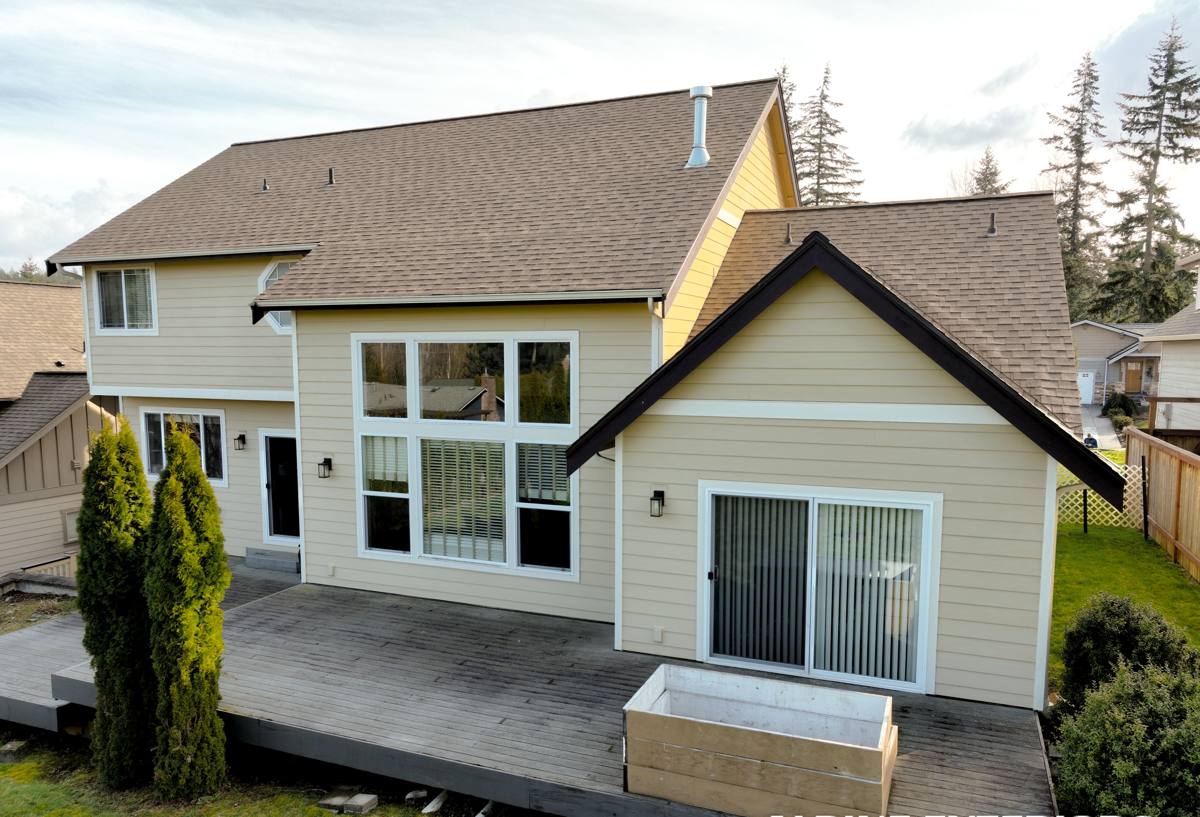
Repair or Full Replacement? How to Tell
Not every roof problem means starting over. But there's a point where patching becomes throwing money at a roof that's already lost the fight. Some signs point clearly toward full replacement rather than another round of repairs:
- Granule loss heavy enough that you're finding shingle granules in gutters or downspouts regularly, not just after a storm
- Multiple leaks in different areas of the roof, rather than one isolated spot
- Shingles that are curling, cupping, or cracking across large sections rather than a few isolated tabs
- Visible sagging in the roof deck, which often means water has been getting into the wood underneath
- A roof nearing or past the end of its expected service life, especially if it's never had a tear-off replacement
- Storm damage — wind-lifted shingles, exposed fasteners, or torn underlayment — spread across more than a small, patchable area
If your roof is showing one or two of these in a limited area, a repair is often the honest answer, and we'll tell you that. Replacement makes sense when the underlying material and the water barrier beneath it have both aged out — at that point, repairs are just delaying an expense while the deck underneath is at risk.
What a Correct Roof Replacement Actually Involves
A roof replacement is more than removing old shingles and nailing down new ones. Each layer of the system does a specific job, and skipping or rushing any one of them is where roofs in this climate fail early.
Tear-Off and Deck Inspection
We remove the existing roof covering down to the deck rather than installing over it. That's the only way to actually see what's underneath — soft spots, rot, delamination, or old fastener damage don't show up until the old material is off. Any damaged decking gets replaced before anything new goes down. Installing over a compromised deck just locks the problem in for the next crew to find.
The Secondary Water Barrier
Florida's building code requires a secondary water barrier under the roof covering, and for good reason: in wind-driven rain, water can be pushed sideways and upward under the primary covering, not just straight down. A properly installed underlayment — sealed at seams and penetrations — is what keeps that water out of the house even if the outer covering takes a hit. This layer matters as much as the shingles or tile people actually see.
Flashing and Penetrations
Chimneys, vents, skylights, and roof-to-wall transitions are where most leaks actually originate — not in the open field of the roof. Flashing at these points needs to be replaced, not reused, and installed so water sheds correctly at every layer. This is detail work, and it's the kind of step that gets shortchanged on a rushed job.
Ventilation
A hot, poorly ventilated attic shortens the life of roofing material from underneath, cooking shingles and underlayment from the inside while UV works on them from outside. Correct intake and exhaust ventilation keeps attic temperatures more reasonable and helps the whole system last as long as it's designed to.
Choosing a Roofing Material for a Largo Home
There's no single "best" roofing material — the right choice depends on your home's structure, your budget, and how much long-term maintenance you want to take on. Here's an honest comparison for this climate:
| Material | Wind Performance | UV / Heat Tolerance | Salt Air Behavior | Typical Maintenance |
|---|---|---|---|---|
| Architectural asphalt shingle | Good, with correct nailing and rated products | Good with quality granules; fades gradually | Handles it well when properly ventilated | Low to moderate |
| Concrete or clay tile | Very good when properly fastened | Excellent — doesn't degrade from UV | Excellent, resists corrosion by nature | Low, but underlayment beneath still needs attention over time |
| Standing seam metal | Excellent | Excellent | Good with coastal-rated coatings and fasteners | Low |
Whatever the covering material, the roof's actual wind and weather performance comes as much from the underlayment, fastening pattern, and flashing detail as from the shingle or tile itself. A premium product installed carelessly will underperform a mid-range product installed correctly.
Wind Rating, Building Code, and Permits
Pinellas County sits in Florida's wind-borne debris region, and the Florida Building Code sets minimum requirements for roof assemblies here accordingly — fastening patterns, secondary water barriers, and product wind ratings all have to meet code, not just industry habit. A roof replacement is a permitted job; the local building department requires an inspection at dry-in (after underlayment is installed, before covering) and a final inspection when the work is complete. That's not paperwork for its own sake — it's a second set of eyes confirming the water barrier and fastening were done to code before the roof gets sealed up and out of sight.
Any contractor pulling that permit under their own license is putting their name on the inspection record. That's worth knowing when you're comparing bids — a permit pulled correctly is one of the simplest ways to confirm a roofer is doing things by the book rather than cutting corners nobody will ever see again once the shingles go down.
How We Handle a Largo Roof Replacement
- Inspection and estimate. We look at the current roof, the deck condition where visible, attic ventilation, and any problem areas, and give you a written estimate with material options.
- Material selection. We walk through the tradeoffs for your home and budget rather than pushing one product line.
- Permitting. We pull the permit and schedule required inspections with the local building department.
- Tear-off. Old roofing comes off down to the deck, with debris contained and cleaned up daily.
- Deck repair. Any damaged or soft decking is replaced before the new system goes down.
- Dry-in. Underlayment and secondary water barrier are installed and sealed, then inspected.
- Flashing and covering installation. New flashing at all penetrations and transitions, then the roofing material itself, installed to the fastening pattern the product and code require.
- Final walkthrough and inspection. We review the finished roof with you and close out the permit with the final inspection.
What Roof Replacement Costs in Largo — and Why
Every roof is different, so we don't quote a number without seeing the job, but the main cost drivers are consistent:
| Factor | Why It Affects Cost |
|---|---|
| Roof size and complexity | More valleys, hips, and dormers mean more flashing, cutting, and labor time |
| Material choice | Asphalt shingle, tile, and metal have different material and labor costs |
| Deck condition | Rotted or soft decking found during tear-off adds repair cost, but skipping it isn't an option |
| Number of layers being removed | Multiple existing layers take more labor to strip than a single layer |
| Ventilation and flashing upgrades | Bringing older ventilation or flashing up to current standards adds some cost but pays off in roof life |
| Access and roof pitch | Steeper or harder-to-access roofs take longer and require more safety setup |
We'd rather give you a clear, itemized estimate up front than a lowball number that grows once the tear-off reveals what's underneath. If we find deck damage mid-job, we show it to you before repairing it — you shouldn't have to take our word for it.
Why a Local Largo Crew Makes a Difference
A roofing crew that regularly works Largo and the greater Clearwater area already knows the county's permitting process, the inspectors, and the way this climate actually wears on roofs, rather than learning it on your project. That familiarity shows up in small but real ways: knowing which flashing details tend to fail first in wind-driven rain here, what ventilation setups actually hold up against Gulf humidity, and how to schedule a tear-off around Florida's afternoon storm patterns so your home isn't left exposed longer than it needs to be. It also means we're a call away after the job is done — not a crew that worked through once and moved on.
After Your Roof Is Replaced
A new roof still needs basic upkeep to reach its full expected lifespan. A short list that actually matters:
- Keep gutters and downspouts clear so water isn't backing up under the roof edge
- Trim back overhanging branches that can drop debris or hold moisture against the roof
- After major storms, do a visual check from the ground for missing or lifted material
- Have the roof looked at periodically rather than waiting for a visible leak to call someone
- Keep your permit and inspection paperwork — it matters for insurance and for resale
If you're weighing repair versus replacement, or just want an honest read on where your roof actually stands, we're glad to take a look. Fill out the form below for a free, no-pressure estimate — no obligation, no pressure, just a straight answer about what your Largo home actually needs.