 Clearwater Roofing
 Siding Repair in Seminole: Built for Pinellas County Weather
Seminole sits close enough to the Gulf that salt air, humidity, and wind are part of daily life for every home in the area. Add in Florida's intense year-round UV exposure, sudden wind-driven rain during summer storms, and the occasional hurricane-force wind event, and it's no surprise that siding here takes more abuse than siding almost anywhere else in the country. When a panel cracks, a seam opens up, or moisture starts working its way behind a wall, waiting rarely makes things better. Small siding problems in this climate tend to turn into bigger ones fast, and Seminole homeowners are usually better served by a repair crew that understands exactly why that happens.
This page covers what siding repair actually looks like for homes in Seminole — the damage we see most often, what a correct repair involves, how we decide between a patch and a section replacement, and why the materials we use matter as much as the labor.
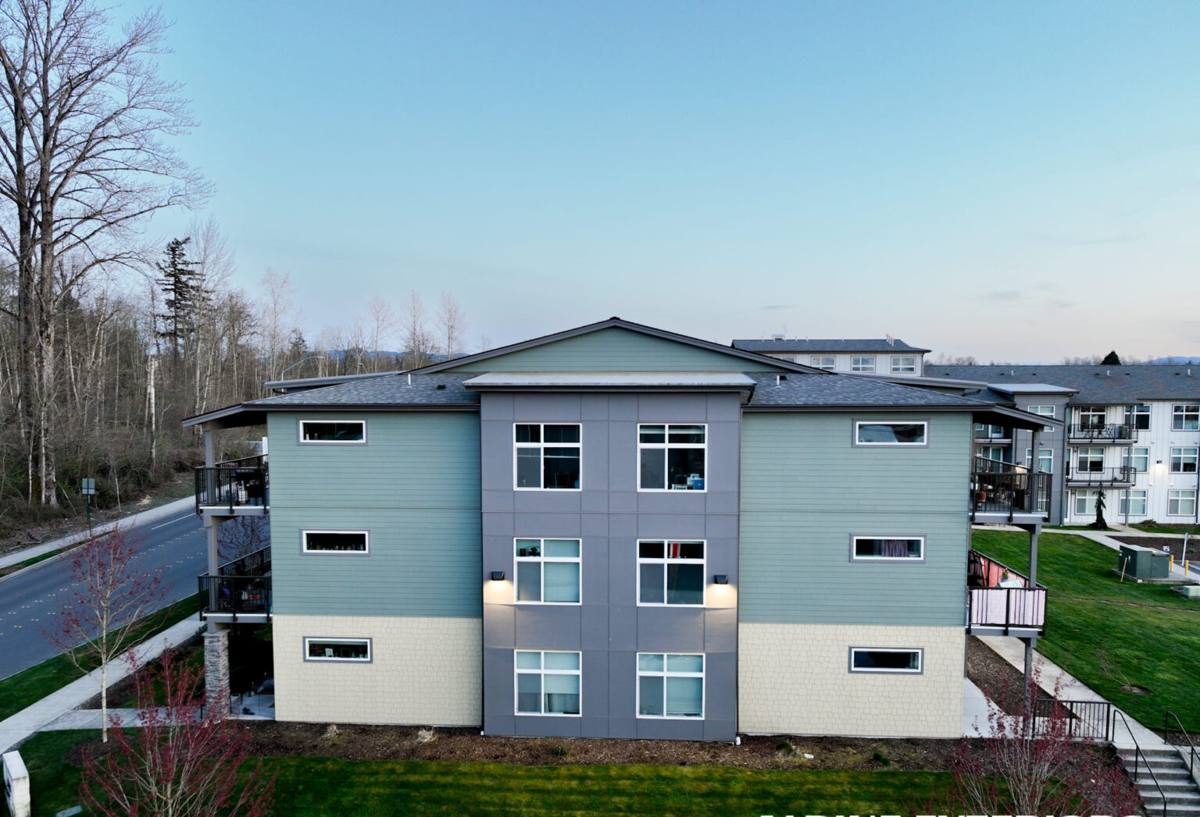
Why Siding Fails Faster in Seminole
Every siding material has a breaking point, but a few things about this part of Pinellas County push that timeline up:
- Salt air corrosion: Even homes a few miles inland get salt-laden air carried by Gulf breezes, which accelerates deterioration of fasteners, trim, and lower-grade siding materials over time.
- UV breakdown: Florida sun is relentless. Cheaper paint jobs and unstable siding substrates chalk, fade, and become brittle years ahead of schedule.
- Wind-driven rain: Storms here don't just drop rain straight down — wind pushes it sideways, forcing water into seams, laps, and any gap in the caulking or flashing.
- Humidity and moisture cycling: Constant swings between soaked and bone-dry stress siding joints and any wood or composite material that isn't built to handle it.
- Hurricane-force wind events: Even a storm that doesn't make landfall directly can generate enough wind to loosen panels, crack corners, or rip off trim on homes throughout the area.
None of this means siding is a lost cause in Seminole — it means the material and the installation quality matter more here than they would in a milder climate.
The Siding Damage We See Most Often
Cracking and Splitting
Impact from storm debris, lawn equipment, or simple age-related brittleness can crack panels. Once a crack opens, it becomes a direct path for water behind the siding.
Buckling and Warping
Siding that wasn't installed with proper expansion clearance, or that has absorbed moisture it shouldn't have, can buckle or bow. This is especially common with materials that aren't rated for Florida's humidity swings.
Moisture Intrusion and Rot
This is the damage that worries us most, because it's often invisible until it's serious. Water working behind siding through a failed seam, cracked caulk joint, or damaged flashing can rot sheathing and framing long before a homeowner notices a problem from the curb.
Faded or Chalking Finish
UV exposure breaks down paint and factory finishes over the years. A chalky, faded finish isn't just cosmetic — once a finish fails, the material underneath loses its protection too.
Loose or Missing Sections
High wind events can pop fasteners or tear sections loose entirely, leaving the underlying wall exposed until it's addressed.
What a Correct Siding Repair Actually Involves
A repair that just covers the visible damage without addressing the cause is a repair that fails again. Every siding repair job we do in Seminole starts with the same basic discipline:
- Diagnose before we touch anything. We find out why the damage happened — impact, moisture, installation error, material failure — because that determines the right fix.
- Check what's behind the siding. Any time there's evidence of moisture intrusion, we look at the water-resistive barrier and sheathing before closing anything back up. Repairing the surface over hidden rot just delays a bigger repair.
- Match the material correctly. Mismatched panel profiles, thicknesses, or finishes stand out and can create new water paths at the seams. We aim for a repair that performs and looks consistent with the surrounding siding.
- Restore proper flashing and sealant details. Around windows, doors, and penetrations, flashing and sealant do the real waterproofing work — siding alone isn't a water barrier, it's a rain screen. Repairs have to restore that whole system, not just the visible panel.
- Finish to code and to the manufacturer's install specs. Fastener spacing, clearances, and caulk joints all affect long-term performance, especially in a wind-prone coastal county like Pinellas.
Repair or Replace? How We Make the Call
Not every siding problem in Seminole needs a full re-side, and not every problem should be patched. We look at scope, cause, and material condition together:
| Factor | Points Toward Repair | Points Toward Replacement |
|---|---|---|
| Damage extent | Isolated to one or two areas | Spread across multiple walls or elevations |
| Underlying moisture | Surface-level, sheathing dry | Rot found in sheathing or framing |
| Material condition overall | Rest of the siding is sound and sealed | Widespread fading, brittleness, or prior repairs failing |
| Original material type | Still performing as designed | Product prone to ongoing moisture or maintenance issues |
| Age of siding | Well within expected service life | At or past the end of its realistic lifespan |
When damage is contained and the rest of the siding is in good shape, a targeted repair is the honest recommendation — there's no reason to push a full replacement on a homeowner who doesn't need one. When we find repeated failures, hidden rot, or a material that's simply not holding up to Pinellas County conditions, we'll say so plainly and explain why.
What We Use When Sections Need to Be Replaced
When a repair calls for replacing damaged siding sections rather than patching them, we use James Hardie fiber cement siding — it's the only siding product we install, whether the job is a full re-side or a repair that requires new material. There are a few reasons that matters specifically for a repair situation:
- Non-combustible material: Fiber cement doesn't burn, warp from heat, or feed a fire the way some other siding materials can.
- Built for moisture cycling: Hardie's HZ product lines are engineered for humid, storm-prone climates like ours, which matters when you're patching into siding that's already been through years of Florida weather.
- Factory-applied ColorPlus finish: A baked-on finish resists the UV fading and chalking that we see so often on older siding here, so a repaired section holds its color the way the rest of the wall does.
- Consistent profiles: Because Hardie's lap and panel profiles are widely available and dimensionally consistent, a repaired section blends into existing Hardie siding cleanly — something that's much harder to do with discontinued or inconsistent products.
If your home currently has a different siding material and needs section replacement, we'll walk you through what that repair will realistically look like — including where a full re-side makes more long-term sense than continuing to patch a product we don't install.
Our Siding Repair Process in Seminole
- On-site inspection. We look at the damaged area and the surrounding siding, checking for signs the problem extends further than what's visible.
- Honest assessment. You get a clear explanation of what caused the damage, what repair options make sense, and what we'd recommend if this were our own house.
- Written scope and estimate. No vague verbal promises — you know what's being done and what it involves before work starts.
- Repair work. We remove and replace only what needs it, restore flashing and sealant details, and match materials as closely as the situation allows.
- Final check. We walk the repair with you before we consider the job done.
What to Look For When Hiring a Siding Repair Crew in Seminole
Siding repair looks simple from the outside, which is exactly why it's easy for a rushed or inexperienced crew to do it wrong. Before hiring anyone for siding work in Seminole or elsewhere in Pinellas County, it's worth checking:
- Do they inspect for hidden moisture damage, or just patch what's visible?
- Are they licensed and insured to do exterior work in Florida?
- Can they explain why the damage happened, not just how they plan to cover it?
- Do they use manufacturer-specified fasteners, clearances, and flashing details?
- Are they familiar with wind-driven rain and coastal humidity, or working from a generic playbook?
- Will they put the scope of work and materials in writing before starting?
A crew that regularly works Seminole homes already knows how this climate behaves against different siding materials and installation methods — that experience shows up in how carefully they diagnose a problem before touching a single panel.
Protecting Your Siding After the Repair
A good repair should hold up, but a little upkeep goes a long way in this climate. We recommend homeowners keep an eye on caulk joints around windows, doors, and trim, rinse off salt and grime buildup periodically, and have siding checked after any major storm — not just for new damage, but to make sure previous repairs are still sealed and intact. Catching a small issue early is almost always cheaper and less disruptive than waiting until it becomes a moisture problem behind the wall.
If you're seeing cracked, buckled, or water-damaged siding on your Seminole home, we're happy to take a look and give you a straight answer on what it needs. Fill out the form below for a free, no-pressure estimate.