 Clearwater Roofing
 Windows Are One of the Weakest Points in a Florida Home's Envelope
Every window opening is a break in the wall — a place where wind, water, and pressure are trying to get in. In Seminole, that's not a hypothetical. Homes here sit close enough to the Gulf that salt air, wind-driven rain, and hurricane-force gusts are a normal part of the weather calendar, not a once-a-decade event. A window that's a good fit for a home in a drier, calmer climate can still fail here if it's not rated, sealed, and installed for what Pinellas County actually throws at it.
Window installation looks simple from the outside: pull the old unit, set the new one, caulk the edges. Done correctly on a coastal home, it's a lot more involved than that — and the difference between a correct install and a rushed one usually doesn't show up until the first real storm.
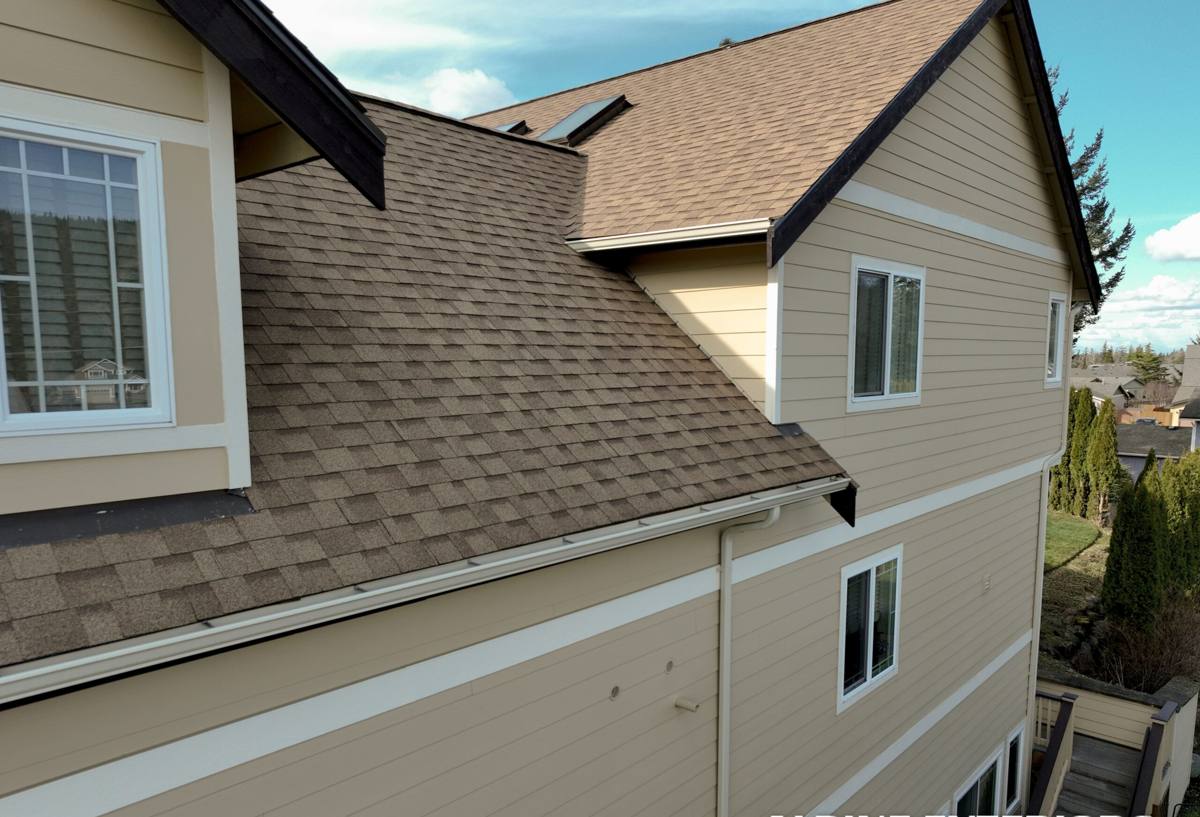
What Clearwater and Pinellas County Weather Does to Windows Over Time
Wind and Wind-Driven Rain
Tropical systems and seasonal squalls push rain sideways under real pressure. Windows that aren't properly flashed and sealed will let water track in around the frame long before the glass itself is ever tested — often showing up as a stain on the drywall inside, well after the storm has passed.
UV Exposure
Florida sun runs strong nearly all year. Constant UV exposure breaks down vinyl frames, dries out old sealants, and fades interior floors and furniture through unprotected glass. Frame and glass choice both matter here, not just for comfort but for how long the window lasts.
Salt Air
Being close to the Gulf means airborne salt is a constant, low-level factor even well inland of the immediate coastline. Salt accelerates corrosion on hardware, fasteners, and lower-grade metal components — which is why frame material and hardware quality matter more here than they would in a landlocked climate.
Florida Building Code and What It Means for Your Windows
Pinellas County falls within Florida's wind-borne debris region under the Florida Building Code, which means replacement windows generally need to either carry impact ratings (with a valid Florida Product Approval or Miami-Dade NOA) or be paired with approved storm protection, depending on your home's location and design wind speed. The specific requirement for your address depends on factors like wind zone, exposure category, and the home's height and geometry.
This isn't paperwork for its own sake. It determines what products are legally allowed on your home, what a permit reviewer will approve, and — practically speaking — how your windows perform the next time a named storm tracks through the area. A contractor who pulls permits and knows how to read a wind load chart for your specific lot is protecting you from both a failed inspection and a failed window.
What a Correct Window Installation Actually Involves
The window unit itself is only part of the job. Most window failures we see in this area trace back to installation shortcuts, not the product itself. A correct install includes:
- Removing the old unit and inspecting the rough opening for rot, moisture damage, or out-of-square framing before anything new goes in
- Repairing or rebuilding the opening if it's compromised — installing a good window into a bad opening just hides the problem
- Installing proper flashing and a weather-resistant barrier detail so water is directed out and away from the wall assembly, not just relying on caulk
- Setting the window level, plumb, and square, then anchoring it per the manufacturer's tested installation instructions — this is what the product's rating actually depends on
- Sealing with the correct sealant for the substrate (stucco, block, or wood-frame construction are all common in this area and each requires different prep)
- Insulating the gap between the frame and the rough opening properly, without over-packing or leaving voids
- Finishing trim and sealant lines so water sheds correctly instead of pooling at the sill
Skip or rush any one of these steps and you can end up with a window that's rated correctly on paper but leaks or underperforms in practice.
Working on Block vs. Frame Construction
Seminole has a mix of concrete block (CBS) homes and wood-frame construction, plus a range of ages and past renovation histories. Block walls typically need the opening treated differently than a wood-framed wall — different fastening methods, different flashing approach, sometimes a buck system to create a proper mounting surface. A crew that hasn't worked much CBS construction can make mistakes here that aren't obvious until a storm exposes them.
Choosing Frame and Glass for This Climate
| Frame Material | Salt Air / Coastal Behavior | Maintenance |
|---|---|---|
| Vinyl | Won't corrode; performs well with quality UV-stabilized formulations | Low — occasional cleaning |
| Aluminum | Strong for large openings but prone to corrosion near salt air unless properly coated | Moderate — watch for pitting over time |
| Fiberglass | Very stable in heat and salt exposure; holds paint and color well | Low — durable finish |
| Wood (clad) | Needs a durable exterior cladding to handle humidity and salt; bare wood struggles here | Higher — cladding integrity matters |
On glass, Low-E coatings cut down on UV transmission and heat gain, which matters for both comfort and protecting flooring and furniture from fading. For impact-rated units, the glass is typically a laminated assembly designed to stay intact in the frame even if the outer pane cracks under debris impact — that's what keeps the opening sealed during a storm rather than failing open.
Impact Windows vs. Standard Windows with Shutters
Homeowners in this area generally choose between two approaches to meet wind-borne debris requirements, and both are legitimate — the right call depends on budget, how the home is used, and personal preference.
| Factor | Impact-Rated Windows | Standard Windows + Shutters |
|---|---|---|
| Upfront cost | Higher per opening | Lower window cost, added shutter cost |
| Storm prep effort | None — always protected | Shutters must be deployed before each storm |
| Daily noise/UV reduction | Better, year-round | No year-round benefit unless shutters are closed |
| Appearance | Clean, unobstructed year-round | Shutters visible or stored when not in use |
| Insurance considerations | May help with wind mitigation credits | Can also qualify depending on shutter type and rating |
Either approach can satisfy code when installed and documented correctly. We'll walk through the actual trade-offs for your specific home rather than pushing one option across the board.
How We Approach a Window Installation Project
- On-site assessment of existing windows, openings, and any signs of past water intrusion or structural issues
- Review of your home's wind zone and code requirements so we're proposing products that will actually pass inspection
- Straightforward proposal covering product options, ratings, and realistic pricing — no pressure, no inflated urgency
- Permitting handled through the appropriate local building department before work begins
- Removal, opening prep, and installation following manufacturer-tested methods
- Final inspection and walkthrough so you know exactly what was done and why
Permitting and Inspections
Window replacement in this area requires a permit in nearly all cases, along with inspection to confirm the installation matches the approved product and method. This protects you — it's independent confirmation that what went into your walls is actually rated for what it's supposed to handle, not just installed to look finished. We handle the permitting process as part of the job rather than leaving it for the homeowner to sort out.
Signs Your Current Windows Need Attention
- Fogging or condensation between panes on double-pane units — a sign the seal has failed
- Visible daylight or drafts around the frame when the window is closed
- Difficulty opening, closing, or locking — often a sign of a frame that's shifted or warped
- Soft drywall, staining, or a musty smell near a window after heavy rain
- Chalky, pitted, or corroded frame hardware
- Windows original to a home built before current wind-borne debris requirements were in place
Any one of these is worth a look before it turns into a bigger repair — especially heading into storm season.
Why Local Experience Matters for This Job
Window installation done wrong doesn't usually announce itself right away. It shows up as a leak during the next heavy rain, a seal that fails a season early, or a permit inspection that gets kicked back. A crew that already works regularly in Seminole and the surrounding Clearwater area knows the construction types common here, has already dealt with the local permitting process, and understands what this specific stretch of coastline actually requires — not generic advice, but what holds up here.
If you're weighing whether it's time to replace aging windows, or you're not sure whether your current windows would actually hold up in a storm, we're happy to take a look and talk through honest options. Reach out for a free, no-pressure estimate using the form below.